


![SoftPro™ Chlorine+ Carbon Whole House Water Filter to Remove PFAS, Chlorine, Chloramine & Pesticides [City Water Filters Series]](http://softprowatersystems.com/cdn/shop/files/SoftPro_Whole_House_Carbon_Filter_with_Spin_Down_Water_Filter.webp?v=1783547361&width=140)


 855-683-8488


Backwashable Iron Filter Self-Cleaning vs Cartridge Manual Replacement

Backwashable iron filters clean themselves automatically by reversing water flow every few days, flushing trapped iron and sediment down the drain. Cartridge systems make you replace filters every 3–12 months at $50–$200 each, adding up to $2,000 over five years. Backwash systems consistently outperform cartridges, especially with high iron levels where cartridges clog fast and lose effectiveness. Stick around, and we'll break down exactly which system fits your water situation best.
Key Takeaways
- Backwash filters self-clean by reversing water flow every 8–15 minutes, flushing out iron and sediment automatically through a drain line.
- Cartridge filters require manual replacement every 3–12 months, costing $50–$200 per cartridge and up to $2,000 over five years.
- Backwash systems continuously regenerate their media, maintaining consistent iron removal performance without losing effectiveness over time.
- Cartridge filters gradually saturate with iron, restricting flow and demanding frequent replacements, especially in high-iron well water conditions.
- Backwash systems cost more upfront but suit high-iron well water best; cartridges fit lighter municipal water and tighter budgets.
How a Backwashable Iron Filter Cleans Itself

One of the smartest features of a backwashable iron filter is that it cleans itself — no cartridges to swap out, no tools required.
The cycle runs 8–15 minutes and uses 60–120 gallons of water — a small trade-off for a filter that stays clean and fully functional. This process restores the flow rate and keeps the system performing at its best. Instead of replacing media every few months, we're talking about 4–8 years between manual interventions. That's genuine, low-maintenance water treatment working quietly in the background.
Here's how it works: periodically, the system triggers a backwash cycle, reversing the water flow through the filter media. That reversal dislodges trapped iron, rust, and sediment, flushing everything out through a drain line.
What Cartridge Iron Filters Actually Cost Over Time
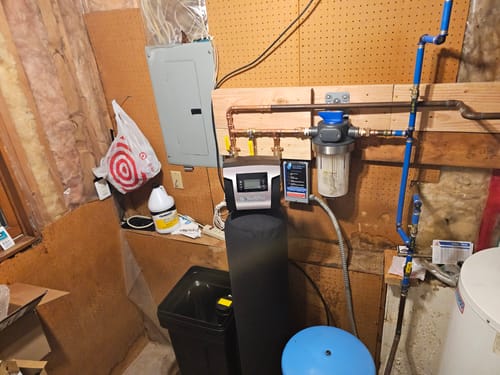
Cartridge iron filters look affordable upfront — but that initial price tag tells only part of the story. Once you're running one against high-iron water, the real costs start stacking fast:
Cartridge iron filters look affordable upfront — but that initial price tag tells only part of the story.
- Cartridge replacements run $50–$200 each, needed every 3–12 months depending on your iron load
- Five-year totals can easily climb to $500–$2,000 in cartridges alone — often exceeding the filter's original purchase price
- Wasted water from frequent changeouts adds hidden environmental and utility costs
Backwashing iron filters flip this equation entirely. Their filter media lasts 4–8 years, meaning you're replacing media infrequently rather than buying cartridges on a near-constant cycle. When we calculate true lifetime cost, cartridge systems consistently lose — and that's exactly why the comparison matters.
Does a Backwash Filter Remove More Iron Than a Cartridge?
When it comes to raw iron removal performance, backwash filters don't just edge out cartridge systems — they outclass them entirely. Here's why that matters: cartridge filters gradually saturate, losing their grip on iron particles with every gallon processed.
Meanwhile, backwash systems continuously regenerate their media, flushing trapped iron out and resetting to peak performance automatically.
We're talking about a fundamental mechanical advantage. High iron concentrations overwhelm cartridge media quickly, demanding frequent replacements just to maintain baseline filtration. Backwash systems handle those same concentrations consistently, cycle after cycle, without degrading.
For whole-house iron removal — where performance can't slip — that distinction is everything. Cartridges are reactive solutions. Backwash systems are proactive ones. If you're serious about iron removal, that difference isn't minor. It's decisive.
Which System Handles High Iron Levels Better?
Raw performance gaps matter, but they become even more pronounced when iron levels climb. Cartridge filters struggle here—they clog faster, restrict flow, and demand constant manual replacements that drain your budget.
Backwashable systems, however, are built for exactly this fight.
Backwashable systems aren't just built to handle high-iron conditions — they're engineered to dominate them.
Here's why backwash filters dominate in high-iron conditions:
- Self-cleaning cycles automatically flush accumulated iron and sediment, maintaining consistent pressure without your intervention.
- Turbidex media captures particles down to 5-10 microns, compared to cartridge filters that miss anything smaller than 20 microns.
- Lower long-term maintenance means fewer replacements, less labor, and more reliable performance over time.
When iron levels rise, cartridge filters become a liability. Backwashable systems become your advantage.
Which Iron Filter System Fits Your Water and Home?
Choosing the right iron filter comes down to knowing your water. If you're pulling from a well loaded with iron, sulfur, or heavy sediment, a backwash system is your strongest move. It self-cleans, handles high flow demands, and keeps performance consistent without you touching it. That's not convenience—that's smart engineering working for you.
But if you're on municipal water with lighter contaminant loads and a tighter upfront budget, a cartridge filter gets the job done. Just know you're committing to regular replacements and hands-on maintenance.
Think long-term. Backwash systems cost more initially but save you money and effort over time. Cartridge systems stay cheap until they don't. Match the system to your water's reality, not just your budget today.
Frequently Asked Questions
What Is the Best Filter for Removing Iron From Water?
We recommend backwashable iron filters for the best iron removal. They'll automatically self-clean, maintain consistent water pressure, and outlast cartridge systems—saving you significant maintenance time and long-term costs.
Are You Supposed to Backwash a Cartridge Filter?
No, we don't backwash cartridge filters — they're simply replaced when clogged. Attempting to backwash one can damage it and disrupt your system's flow. Instead, we remove and swap in a fresh cartridge when it's exhausted.
What Is a Backwash Iron Filter?
A backwash iron filter's a tank-based system we use to remove iron and minerals from water. It automatically cleans itself by flushing trapped contaminants out at programmed intervals, keeping your water flowing efficiently.
How Often Should an Iron Filter Backwash?
We recommend backwashing your iron filter every 3-7 days. Your specific water conditions—iron concentration, sediment load, and usage volume—determine the ideal frequency. Most automatic timers handle this optimization for you seamlessly.


