


![SoftPro™ Chlorine+ Carbon Whole House Water Filter to Remove PFAS, Chlorine, Chloramine & Pesticides [City Water Filters Series]](http://softprowatersystems.com/cdn/shop/files/SoftPro_Whole_House_Carbon_Filter_with_Spin_Down_Water_Filter.webp?v=1783547361&width=140)


 855-683-8488


Chemical-Free Iron Filtration Limitations: When the Chemistry Cannot Keep Up

Chemical-free iron filters work beautifully—until they don't. When iron climbs above 3 PPM, pH drops below 6.5, or colloidal iron particles enter the picture, even the best system starts losing the battle. Acidic water silently corrodes filter media, while backwashing strains septic systems in ways most homeowners never anticipate. Neglecting regeneration cycles only accelerates the damage. Understanding exactly where these systems fail is the first step toward keeping your water truly clean.
Key Takeaways
- Katalox-Light iron filters struggle to remove iron effectively when concentrations exceed 3 PPM, leaving water still contaminated despite active filtration.
- Colloidal iron particles pass through standard filter media undetected, making filters appear functional while iron remains present in water.
- Acidic water below pH 6.5 corrodes filter media and internal components, dramatically reducing system effectiveness and lifespan.
- Chemical-free filters cannot remove manganese or hydrogen sulfide, limiting their usefulness in water with multiple contaminant types.
- Without pH adjustment as foundational maintenance, dissolved iron bypasses degraded media, causing metallic tastes and staining to return.
What Chemical-Free Iron Filters Actually Can't Remove

Chemical-free iron filters like Katalox-Light do a solid job with standard dissolved iron, but they've got real blind spots we need to talk about.
First, manganese and hydrogen sulfide simply won't yield to this technology—they need specialized treatments entirely. Second, when iron concentrations climb past 3 PPM, or you're dealing with colloidal iron, standard filtration loses the battle. These tiny suspended particles slip right through.
Third, acidic water below pH 6.5 actively undermines the filter's performance while quietly corroding your plumbing. That's a compounding problem. Understanding these limitations isn't discouraging—it's empowering. Knowing exactly where Katalox-Light falls short tells you precisely when to layer in additional solutions. That's what separates a good water treatment decision from an expensive mistake.
Why Acidic Water Quietly Destroys Your Iron Filter
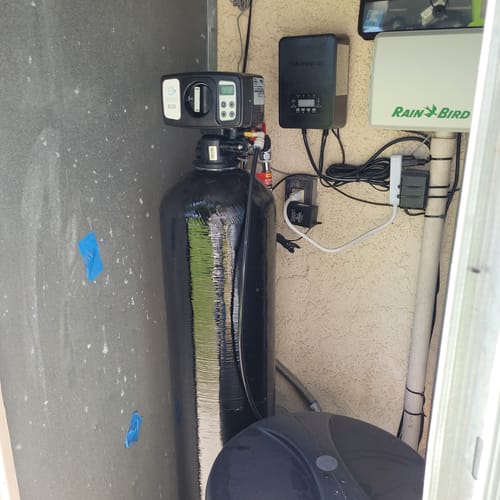
When water turns acidic—dropping below a pH of 6.5—it doesn't just sit harmlessly in your pipes. It actively undermines your iron filter from the inside out.
Acidic water below pH 6.5 doesn't just sit in your pipes—it actively destroys your iron filter from within.
Chemical-free iron filters depend on alkaline conditions to oxidize and trap dissolved iron. Strip that environment away, and the entire process unravels:
- Filter media corrodes faster, shortening system lifespan
- Dissolved iron bypasses filtration and re-enters your water supply
- Metallic tastes and staining return despite "filtered" water
- Internal components degrade without visible warning signs
We've seen homeowners replace filters repeatedly without realizing acidic water was the silent culprit. The filter wasn't failing—the chemistry was.
Fixing acidic water through pH adjustment isn't optional maintenance. It's the foundational step that determines whether your iron filtration system actually works long-term.
How Iron Filter Backwashing Strains Your Septic System
Backwashing your iron filter might seem like routine maintenance, but it creates a hidden problem for homeowners on septic systems. Each backwash cycle dumps hundreds of gallons of iron-laden water into your tank, flushing out the bacteria your system depends on to break down waste.
Without those bacteria, solids accumulate faster than they should.
It gets worse. The high mineral content clogs your drainfield over time, turning a manageable maintenance task into an expensive repair. We've seen homeowners unknowingly violate local regulations simply by running their filter normally.
Beyond your property, improperly discharged backwash water contaminates groundwater and nearby surface water, threatening local ecosystems. Your septic system was never designed for this volume or this chemistry — and it shows.
The Real Cost of Neglecting Your Iron Filter's Regeneration Cycle
Skipping your iron filter's regeneration cycle might seem harmless at first, but the consequences stack up fast. Neglected cycles trigger a cascade of failures that compromise your entire water system:
Skipping regeneration cycles seems harmless—until cascading failures compromise your entire water system faster than you'd expect.
- Orange stains coating fixtures and laundry from rising iron levels
- Metallic taste creeping into drinking water as media saturates
- Dramatically reduced water pressure throughout the home
- Emergency manual cleaning costs that slash filter lifespan
We've seen homeowners ignore early warning signs, only to face premature media clogging and complete system failure. Cycle frequency must precisely match household usage—there's no universal setting. Regular monitoring isn't optional; it's your early defense against exponential repair costs. Worse, iron-laden backwash improperly discharged threatens local aquatic ecosystems, adding environmental liability to an already expensive oversight.
Iron Concentrations and Colloidal Forms That Defeat Standard Filtration
Standard iron filters hit a wall once iron concentrations climb past 3 PPM—and that wall comes faster than most homeowners expect. Beyond that threshold, the media simply can't keep up, and iron bleeds through into your water supply.
Colloidal iron makes this even trickier. Unlike dissolved iron, it exists as suspended microscopic particles that drift right past traditional filtration media undetected. Your filter looks like it's working, but colloidal iron slips through every time.
We see this pattern repeatedly: homeowners invest in a quality chemical-free system, only to discover their specific iron problem requires a fundamentally different solution. Knowing your iron's form—dissolved versus colloidal—isn't just helpful background knowledge. It's the difference between a filtration system that performs and one that fails quietly.
Frequently Asked Questions
What Are the Limitations of Filtration?
We've found that filtration fails when pressure drops below 30 PSI, regeneration cycles aren't monitored, or media isn't replaced every 3-5 years—leading to staining, metallic taste, and reduced water flow.
Will a 5 Micron Filter Remove Iron?
A 5 micron filter won't reliably remove iron from your well water. It captures particulate iron, but dissolved ferrous iron slips right through, requiring specialized oxidation and iron-specific media for effective treatment.
Why Is My Iron Filter Not Working?
Your iron filter's likely failing due to low pH levels, overwhelming iron concentrations, improper regeneration cycles, or colloidal iron — each disrupting the filtration process and letting contaminants slip through untreated.
What Are the Pros and Cons of Katalox Light?
Katalox-Light removes iron, manganese, and hydrogen sulfide chemical-free, lasts 6-10 years, and works at pH 6.0. However, it's a premium investment upfront, though its longevity and minimal maintenance costs offset that over time.


