


![SoftPro™ Chlorine+ Carbon Whole House Water Filter to Remove PFAS, Chlorine, Chloramine & Pesticides [City Water Filters Series]](http://softprowatersystems.com/cdn/shop/files/SoftPro_Whole_House_Carbon_Filter_with_Spin_Down_Water_Filter.webp?v=1783547361&width=140)


 855-683-8488


Chlorine-Based Iron Pre-Treatment: When Chemical Wins Over Chemical-Free

Chlorine injection wins over chemical-free oxidation when your well water drops below pH 5.5, carries iron above 10 ppm, or tests positive for coliform bacteria. Air oxidation simply can't break through aggressive iron bacteria colonies or handle those extreme conditions. Chlorine forcefully converts dissolved iron into a filterable form while simultaneously eliminating harmful bacteria. If any of those conditions match your water, we've got everything you need to know ahead.
Key Takeaways
- Chlorine injection outperforms air oxidation when pH drops below 5.5 or iron levels exceed 10 ppm.
- Unlike air oxidation, chlorine simultaneously eliminates iron bacteria and dissolved iron in a single treatment step.
- Chlorine forcefully converts dissolved iron into an insoluble, filterable form, making it ideal for aggressive contamination cases.
- Coliform bacteria presence requires chlorine's disinfection capability, which chemical-free oxidizing filters cannot provide.
- Most residential wells fall within air oxidation's range, making chlorine injection unnecessarily complex and costly for standard conditions.
Why Chlorine Injection Outperforms Air Oxidation for Specific Well Water Problems

While air oxidation filters handle most iron problems beautifully, some well water situations call for a heavier hand. When your pH drops below 5.5, oxidation filters simply can't do their job—chlorine injection steps in and oxidizes dissolved iron effectively where air-based systems struggle.
We've also seen cases where iron bacteria have taken hold so aggressively that air oxidation barely makes a dent. Chlorine breaks through that resistance. And if coliform bacteria are part of your problem, chlorine solves both challenges simultaneously—something chemical-free systems can't touch.
Chlorine injection is more complex, costlier to maintain, and demands more attention. We only recommend it when your specific conditions—extreme iron bacteria, very low pH, or bacterial contamination—genuinely outpace what air oxidation can deliver.
How Your Iron Level and pH Decide Which Oxidation Method Works
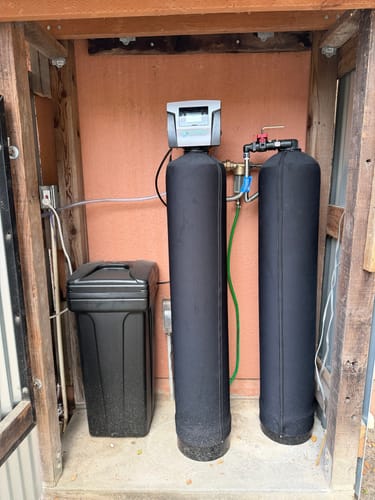
When your iron levels climb past 10 ppm or your pH dips below 5.5, air oxidation stops being a viable option—the chemistry simply doesn't work in your favor. Oxidation filters struggle under these conditions, leaving dissolved iron untreated and iron bacteria thriving.
Chlorine changes that equation. It forcefully oxidizes iron into an insoluble form you can physically filter out, while simultaneously eliminating the bacteria feeding on it. That's two problems solved with one treatment step.
The key is breakpoint chlorination—dosing chlorine beyond your actual iron concentration to guarantee complete oxidation. We determine that precise dose through jar testing, dialing in effectiveness while keeping chlorine residuals minimal. Your water's specific numbers drive every decision we make.
The Equipment a Chlorine Injection System Needs to Function
Putting chlorine to work in your water system takes more than just adding a chemical—it takes the right equipment working together in sequence. A chemical feed pump initiates the process, precisely dosing chlorine into your supply line.
From there, an inline static mixer blends the chlorine thoroughly before water enters a contact tank, where the real chemistry happens—iron and manganese oxidize and precipitate out of solution. A properly sized tank guarantees you're getting adequate contact time.
Next, a backwashing media filter, like Pro-OX or greensand, captures those precipitated contaminants before they reach your fixtures. Tying it all together, automated controls and a chlorine residual analyzer continuously monitor dosage, keeping treatment consistent. Each component depends on the others—omit one, and the system underperforms.
How to Calculate the Right Chlorine Dose for Iron and Manganese
Getting the chlorine dose right is the difference between a system that actually works and one that leaves iron and manganese in your water. We typically target 1–5 mg/L of free chlorine, confirmed through jar tests, then push past the breakpoint—where chlorine demand is fully satisfied—to guarantee complete oxidation.
| Water Condition | Chlorine Dose | Contact Time |
|---|---|---|
| Low iron/manganese | 1–2 mg/L | 30 seconds |
| Moderate contamination | 2–4 mg/L | 45 seconds |
| High contamination | 4–5 mg/L | 60 seconds |
We adjust feed rates dynamically against flow and contaminant levels. Without adequate retention time—30 to 60 seconds minimum—precipitation won't complete. Monitor residual chlorine consistently, because water quality shifts, and your dose must shift with it.
The Iron and Water Conditions Where Chlorine Injection Loses Its Advantage
Knowing the right chlorine dose matters, but so does knowing when chlorine injection isn't the right tool at all. Most residential well water scenarios don't demand that level of intervention. When iron levels fall within ranges a chemical-free oxidizing filter handles comfortably, adding chlorine injection means buying complexity you don't need—ongoing chemical purchases, stricter maintenance schedules, and higher operating costs that compound over time.
The exceptions are real, though. Water with pH below 5.5 creates oxidation conditions where chlorine genuinely outperforms chemical-free alternatives. Extreme iron bacteria concentrations that resist standard filtration demand it. And when coliform bacteria enters the picture, chlorine stops being optional—it becomes your combined disinfection solution. Match the tool to the actual problem, and you'll avoid paying for firepower the situation never required.
Frequently Asked Questions
What Does Chlorine Do to Iron?
Chlorine transforms soluble ferrous iron—that clear, invisible troublemaker—into insoluble ferric iron, turning it red and filterable. We're fundamentally forcing iron out of hiding so we can physically remove it from your water.
How Long Does It Take Chlorine to Oxidize Iron?
Chlorine typically needs 30-60 seconds to fully oxidize soluble ferrous iron into filterable ferric particles. We'll find that pH, temperature, and iron concentration all influence that window — lower pH and warmer water accelerate the reaction.
What Are the Pros and Cons of Katalox Light?
Katalox Light's biggest pros are its chemical-free operation, long filter runs, and low maintenance. The con? It's pricier upfront, and heavily contaminated water may still require pre-treatment to maximize its effectiveness.
What Is the Best Water Treatment for High Iron Levels?
For iron levels under 10 ppm, we recommend an AIO filter—it's cost-effective, chemical-free, and low-maintenance. Got extreme iron bacteria or levels above 10 ppm? Chlorine injection's your best bet.


