


![SoftPro™ Chlorine+ Carbon Whole House Water Filter to Remove PFAS, Chlorine, Chloramine & Pesticides [City Water Filters Series]](http://softprowatersystems.com/cdn/shop/files/SoftPro_Whole_House_Carbon_Filter_with_Spin_Down_Water_Filter.webp?v=1783547361&width=140)


 855-683-8488


Combined Well Water Chemistry Panel: What Each Result Means for Your Filter

Your well water chemistry panel isn't just a lab report — it's a filter-buying roadmap. Each result tells us something specific: pH reveals corrosion risk, iron flags staining and clogs, hardness points to scale buildup, and nitrates signal contamination threats. We can match every number directly to the right treatment equipment. Stick with us, and we'll break down exactly what each result means and which filters your water is actually calling for.
Key Takeaways
- High iron levels indicate the need for an oxidizing filter using greensand or birm media to prevent staining and plumbing clogs.
- Low pH causes corrosion and accelerates metal leaching, requiring a neutralizing filter with calcite or corosex media.
- Hard water containing excess calcium and magnesium demands an ion-exchange water softener to prevent scale buildup.
- Nitrate detection signals agricultural or septic contamination, requiring immediate attention as a serious health threat.
- Elevated TDS combined with multiple contaminants typically requires a reverse osmosis system for broad, effective removal.
How to Read Your Well Water Chemistry Panel Results

Reading a well water chemistry panel can feel overwhelming at first—rows of numbers, units, and abbreviations that seem to require a chemistry degree to interpret. But once you understand the structure, patterns emerge quickly. Most panels organize results into categories: physical properties, minerals, metals, and biological indicators. Each parameter includes your measured value, the testing unit (mg/L, pH units, ppm), and a reference range.
We're looking for two things: values outside acceptable thresholds and the relationships between parameters—because certain combinations affect your filter selection more than individual readings alone. Before choosing any filtration system, we'll walk through each result systematically, translating raw data into actionable decisions.
Understanding what you're reading transforms a confusing report into your most powerful tool for protecting your water quality.
What Every Parameter on the Report Actually Measures
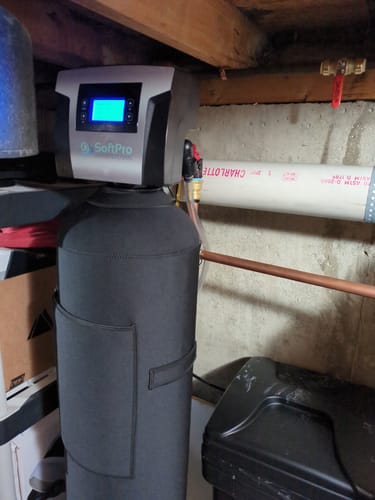
Each number on your well water report tells a specific story about what's dissolved, suspended, or living in your water—and knowing what that number actually tracks changes how you respond to it. pH measures hydrogen ion concentration, telling us how acidic or alkaline your water is on a scale of 0–14; it's not just a comfort metric, it directly controls whether metals leach from your pipes and how effective certain disinfection methods will be.
| Parameter | What It Actually Measures |
|---|---|
| TDS | Total dissolved solids concentration |
| Hardness | Calcium and magnesium mineral load |
| Iron | Ferrous vs. ferric iron presence |
| Nitrates | Agricultural or septic contamination risk |
Each parameter targets a distinct threat. Understanding them collectively lets us build a filter strategy that's precise, not guesswork.
Iron, Hardness, and pH: What Your Filter Has to Handle
When iron, hardness, and pH show up together on your report—which they often do—they're telling you that a single-stage filter won't cut it. Each parameter demands a specific solution.
High iron stains fixtures and clogs plumbing, so you'll need an iron removal filter. Hard water loads your pipes with mineral scale, requiring a water softener. Low pH turns your water corrosive, eating through fixtures and plumbing from the inside out—that demands pH adjustment equipment.
These issues interact. Acidic water accelerates iron and manganese mobilization, compounding your problem. We see manganese frequently tagging along with iron, requiring a dedicated iron/manganese filter. Getting the sizing and sequencing right for your specific chemistry is what separates an effective system from an expensive disappointment.
Which Numbers Cross the Line: and Which Are Safe to Ignore
Not every number on your well water report demands action—but some absolutely do, and knowing the difference safeguards you from both complacency and unnecessary spending.
- Act immediately — Arsenic, lead, nitrates, or any result exceeding health-based guidelines requires prompt corrective action.
- Disinfect now — Total coliform or E. coli detections are serious health threats demanding urgent well disinfection.
- Monitor closely — Hardness, iron, or manganese slightly outside recommended ranges aren't emergencies, but we shouldn't overlook them.
- Watch the trend — Elevated TDS or off-range pH affects taste and equipment without posing direct health risks.
When we're uncertain, consulting an expert verifies we're interpreting results accurately and choosing the right treatment strategy.
Matching Your Well Water Results to the Right Filter
Once we've sorted our results into those action categories, the real payoff comes—pairing each problem with the filter built to solve it. High iron and manganese? We're looking at oxidizing filters loaded with greensand or birm media. Stubborn hardness calls for a water softener that strips out calcium and magnesium at the ion-exchange resin.
If your pH reads acidic, a neutralizing filter packed with calcite or corosex raises it back into safe range. Elevated total dissolved solids demand a reverse osmosis system, which removes the broadest contaminant spectrum of any residential technology.
When your report flags iron, sulfur, and bacteria together, a multi-stage filter tackles that combination in one unit. Each result points to one solution—knowing the match means we stop guessing and start fixing.
Frequently Asked Questions
How Do I Read My Well Water Test Results?
We'll check each row for the parameter, measured value, unit, and guideline. Flag anything exceeding health limits—often marked with an asterisk—then consult a water expert to determine your next filtration steps.
What Is a Good Water Test Result?
We're looking for results where all parameters fall within regulatory guidelines — neutral pH near 7.0, low dissolved solids, and no detectable contaminants. Consistent, stable readings over time signal a high-quality, reliable water source.
What to Do if Your Water Test Is Positive for Coliform?
If your test's positive for coliform, stop using the water immediately. We'll want to shock chlorinate the well, identify the contamination source, retest, and rely on bottled water until we've confirmed it's safe.
How to Tell if Your Well Water Is Contaminated?
We can spot contaminated well water through discoloration, foul odors, or cloudiness. Unusual tastes, sudden appearance changes, or test results showing elevated nitrates, bacteria, or heavy metals all confirm what our senses suspect.


