


![SoftPro™ Chlorine+ Carbon Whole House Water Filter to Remove PFAS, Chlorine, Chloramine & Pesticides [City Water Filters Series]](http://softprowatersystems.com/cdn/shop/files/SoftPro_Whole_House_Carbon_Filter_with_Spin_Down_Water_Filter.webp?v=1783547361&width=140)


 855-683-8488


Cooking With High-Iron Well Water: What Iron Does to Food Flavor and Color

When you cook with high-iron well water, dissolved ferrous iron is the main troublemaker. It gives food a sharp metallic taste once iron levels exceed 0.3 mg/L. It also triggers oxidation that turns green vegetables brownish, darkens tomato sauces, and discolors gravies. Certain foods like tea, eggs, and dairy react especially badly. The good news? These are quality issues, not safety hazards — and there's plenty you can do about it.
Key Takeaways
- Dissolved ferrous iron causes a sharp metallic taste in soups, sauces, and grains, becoming noticeable when iron content exceeds 0.3 mg/L.
- Iron promotes oxidation, causing greenish-brown discoloration in vegetables and dark, unappealing browning in tomato-based sauces and gravies.
- Tannin-rich beverages like tea and coffee turn black or purple, while dairy products may curdle when prepared with high-iron water.
- Eggs develop a greenish-gray color with a sulfur-like smell, and baked goods become discolored with an unpleasant metallic flavor.
- These iron-related changes are quality and presentation issues, not safety concerns, and can be eliminated using filtration or reverse osmosis.
Why Does High-Iron Well Water Make Food Taste Metallic?

When you cook with high-iron well water, a few chemical culprits are working against your food's flavor. First, there's ferrous iron — the dissolved form — which directly imparts that sharp metallic taste you notice in soups, grains, and sauces.
Ferrous iron — the dissolved culprit — is what gives your soups, grains, and sauces that sharp metallic bite.
Then there's ferric iron, the oxidized particles that interfere with delicate flavors in tea, coffee, and potatoes.
Beyond taste, iron's high mineral content interacts with amino acids and other food compounds, subtly reshaping flavor profiles in ways that aren't always obvious. The threshold matters here: once your water exceeds 0.3 mg/L of iron, these changes become genuinely noticeable.
Understanding which form of iron you're dealing with is the first step toward protecting what ends up on your plate.
Why Does Iron in Well Water Turn Vegetables and Sauces Brown?
Metallic taste is one problem, but iron in well water's got another trick up its sleeve — it turns your food an unappetizing shade of brown. Here's why: iron promotes oxidation, attacking chlorophyll in vegetables and darkening sauces.
| Food Type | Iron's Effect |
|---|---|
| Green vegetables | Brownish-green discoloration |
| Tomato-based sauces | Dark, unappealing browning |
| Gravies | Oxidized dark color |
Ferrous iron — the dissolved form — is the biggest culprit since it's far more reactive than particulate ferric iron. Acidic foods like tomato sauce are especially vulnerable because acidity accelerates iron's oxidizing activity. Notably, cooking in iron cookware produces the same browning effect, since iron leaches directly into food during cooking.
Which Foods React Worst to High-Iron Well Water?
Not all foods suffer equally when cooked in high-iron well water — some react far more dramatically than others. Knowing which ones are most vulnerable helps you prioritize where to intervene.
Some foods are far more vulnerable to high-iron water than others — knowing which ones helps you act strategically.
Tannin-rich foods like tea, coffee, and certain vegetables turn a striking black or purple. Dairy products curdle or develop a metallic taste. Eggs take on a greenish-gray color with an unpleasant sulfur-like smell. Baked goods become discolored and carry an off-putting metallic flavor throughout.
Vegetables like potatoes, cauliflower, and peas turn gray or brown during boiling.
The pattern here is clear — iron doesn't discriminate by food category. It targets proteins, pigments, and tannins alike. Once you recognize these reactions, you'll know exactly which dishes demand filtered water every single time.
Is It Safe to Cook and Eat Food Made With High-Iron Water?
Everything we've covered so far about discoloration and off flavors raises a fair question — is food cooked in high-iron water actually safe to eat? The short answer is yes. The human body tolerates moderate iron intake well, and the concentrations found in well water typically fall within that range.
What you're dealing with is an aesthetic problem, not a health hazard. That blackened potato or murky tea looks unpleasant, but it won't harm you. Iron-catalyzed browning and metallic flavors are quality issues, not safety issues.
That said, if the visual results bother you — and they should, because presentation matters — filtering your well water or switching to an alternative source eliminates the problem entirely before it ever reaches your pot.
How Do You Remove Iron From Well Water Before Cooking?
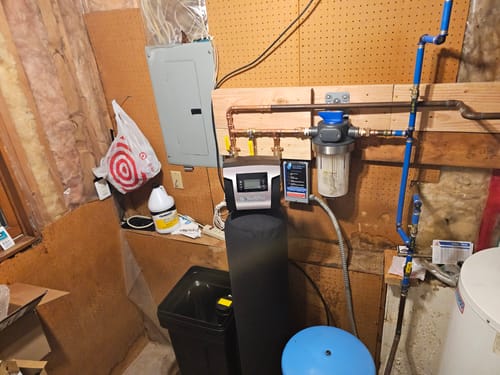
If you'd rather fix the problem at the source than work around it in the kitchen, you've got several solid options. Each method targets iron differently, so matching the solution to your water's iron profile matters.
| Method | How It Works |
|---|---|
| Water softener or iron filter | Removes dissolved ferrous iron |
| Oxidizing filter | Converts ferrous to ferric iron, then filters it out |
| Shock chlorination or aeration | Oxidizes and precipitates iron for removal |
| Reverse osmosis | Removes both ferrous and ferric iron |
Regular well maintenance also reduces iron buildup at the source. Testing your water first tells you exactly which form of iron you're dealing with, helping you choose the most effective treatment.
Frequently Asked Questions
Is It Safe to Drink Well Water With High Iron?
We can drink well water with high iron safely in most cases, but levels above 0.3 mg/L affect taste and appearance. We recommend testing your water and treating it if needed.
Does Cooking With Cast Iron Actually Increase Iron Intake?
Yes, cooking with cast iron does increase your iron intake! Acidic foods like tomato sauce can absorb 2-8 mg of iron per serving, though it'll typically only meet 5-15% of your daily needs.
What Is the Cheapest Way to Remove Iron From Well Water?
For low iron levels (under 2 mg/L), we'd recommend a simple ion exchange water softener—it's your most budget-friendly fix. Keeping your well maintained and optimizing pump usage also cuts costs substantially.
What Are the Symptoms of Too Much Iron in Well Water?
We'll notice metallic-tasting water, reddish-brown stains on dishes and laundry, rainbow sheens on beverages, blackened potatoes when cooking, and clogged plumbing fixtures — all telltale signs our well water's iron levels are too high.


