


![SoftPro™ Chlorine+ Carbon Whole House Water Filter to Remove PFAS, Chlorine, Chloramine & Pesticides [City Water Filters Series]](http://softprowatersystems.com/cdn/shop/files/SoftPro_Whole_House_Carbon_Filter_with_Spin_Down_Water_Filter.webp?v=1783547361&width=140)


 855-683-8488


Does Iron in Well Water Affect Children's Health? What Parents Should Know

Iron in well water can affect your children's health, but it's rarely the biggest threat on its own. The EPA sets a limit of 0.3 mg/L, primarily for aesthetic reasons. Exceeding that level risks gastrointestinal distress and mineral absorption issues in kids. What concerns us more is what often travels with iron — manganese, nitrates, and bacteria. Keep exploring, and we'll help you understand exactly what's lurking in your well water.
Key Takeaways
- The EPA recommends a 0.3 mg/L iron limit for drinking water, though this threshold is based on aesthetic concerns rather than direct health risks.
- Levels exceeding 0.3 mg/L can cause gastrointestinal distress in children, while long-term exposure may disrupt mineral absorption and liver function.
- Children's smaller bodies accumulate iron faster relative to weight, making them more vulnerable to elevated iron concentrations than adults.
- Elevated iron levels often indicate the presence of manganese, a neurotoxin particularly harmful to young children's developing brains.
- Regular well water testing is essential, as iron rarely acts alone and frequently accompanies dangerous contaminants like nitrates, arsenic, and bacteria.
Is Iron in Well Water Actually Dangerous for Kids?

Iron in well water sounds alarming at first, but the reality is more nuanced than you might expect. The EPA's 0.3 mg/L limit isn't based on health risks — it's an aesthetic standard addressing taste, odor, and staining. Below that threshold, children face no significant health danger.
That said, consistently elevated iron levels aren't harmless. Higher concentrations can trigger gastrointestinal distress, and long-term excessive exposure may interfere with mineral absorption, potentially straining liver function and metabolic processes — particularly in vulnerable kids.
Here's the key distinction: iron itself is rarely the primary threat in well water. The bigger concern is what else might be present. Testing for nitrates, arsenic, and bacteria matters just as much as monitoring iron levels.
What Iron Levels in Well Water Are Safe for Children?
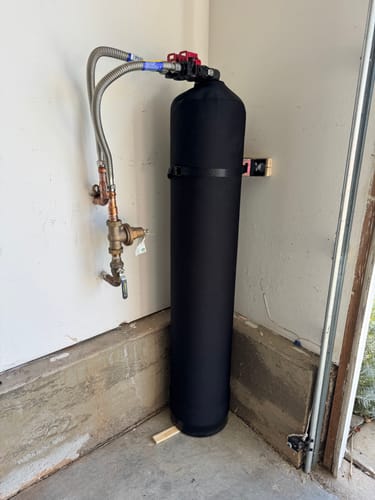
When it comes to safe iron levels for children, there's one number worth remembering: 0.3 mg/L. That's the EPA's recommended limit for drinking water, though it's based on aesthetic concerns—taste, odor, staining—rather than direct health risks.
Concentrations below 0.3 mg/L aren't associated with significant health concerns in children. Exceed that threshold consistently, and you risk gastrointestinal distress, interference with mineral absorption, and potential organ damage over time.
Elevated iron rarely travels alone. It frequently signals the presence of manganese, a contaminant with proven neurological risks for young children. That's why testing isn't just about iron. It's about understanding everything your well water contains.
How Does Iron Get Into Your Family's Well Water?
Most of the iron in well water comes from a surprisingly simple process: water moving through soil and rock gradually dissolves iron minerals and carries them into the groundwater your well taps into. Groundwater movement accelerates this dissolution, meaning deeper aquifers often carry higher iron concentrations.
But natural leaching isn't the only culprit. If your home has aging or corroded pipes, those can introduce additional iron before water ever reaches your tap. Private wells face an extra vulnerability—surface rainwater can carry iron-rich soil directly into the well system, bypassing the natural filtration that deeper groundwater sources provide.
Understanding these entry points matters because each source requires a different remediation approach. That's why regular water testing isn't optional—it's your diagnostic tool.
Can High Iron in Well Water Make Children Sick?
High iron concentrations in well water aren't just a nuisance—they can genuinely make children sick. In the short term, elevated iron triggers gastrointestinal distress, meaning stomachaches, nausea, and discomfort your child can't easily explain.
Long-term exposure is where things get more serious. High iron interferes with how children absorb essential minerals, straining their liver and disrupting metabolic function during the exact years their bodies need consistent nutrition most.
Children are especially vulnerable because their smaller body size means iron accumulates faster relative to their weight. Consider this: 73% of water samples tested in Bangladesh exceeded the EPA's safe limit of 0.30 mg/L. That's not a regional anomaly—it's a wake-up call for any parent relying on untested well water.
How to Test Your Well for Iron: and What to Do About It
Testing your well water for iron is straightforward—you can either grab a home test kit from a hardware store or send a sample to a certified laboratory for more precise results. Keep in mind that iron levels above 0.3 mg/L are already considered objectionable, while levels exceeding 10 mg/L can cause gastrointestinal effects in children.
Once you know what you're dealing with, treatment options are effective. Water softeners, iron filters, and chemical oxidation systems can tackle both clear-water and red-water iron. Don't overlook iron bacteria—they'll worsen iron problems and create conditions where harmful microorganisms thrive. We also recommend testing regularly, particularly after well construction, repairs, or significant weather events that could introduce new contaminants into your water supply.
Frequently Asked Questions
Can Too Much Iron in Your Well Water Make You Sick?
Yes, too much iron in your well water can make you sick. It can cause gastrointestinal distress, disrupt mineral absorption, and contribute to liver and metabolic issues, especially with long-term exposure in children.
Is Iron in Your Well Water Bad?
Iron in well water isn't typically a health risk, but it's not harmless either. It'll stain fixtures, clog pipes, and signal potential bacterial issues — all problems we'll want to address promptly.
Are There Any Negative Effects of Iron in Water?
Yes, iron in water can cause gastrointestinal issues, interfere with mineral absorption, and at very high levels, potentially harm liver function—especially in children. It'll also stain your plumbing and laundry.
Is Well Water Safe for Babies to Drink?
Well water can be safe for babies, but we need to test it first. If iron levels exceed 0.3 mg/L, we should treat it, since babies are especially vulnerable to iron overexposure.


