


![SoftPro™ Chlorine+ Carbon Whole House Water Filter to Remove PFAS, Chlorine, Chloramine & Pesticides [City Water Filters Series]](http://softprowatersystems.com/cdn/shop/files/SoftPro_Whole_House_Carbon_Filter_with_Spin_Down_Water_Filter.webp?v=1783547361&width=140)


 855-683-8488


EPA Secondary Standard for Iron: 0.3 PPM and What It Means for Well Owners

The EPA's 0.3 PPM iron standard is their secondary drinking water guideline, set for practical reasons like preventing staining, bad taste, and plumbing damage — not health enforcement. It technically only applies to public water systems, not private wells. But that doesn't mean you should ignore it. It's still the most useful benchmark we have for protecting your fixtures and water quality. Stick around, and we'll break down everything you need to know.
Key Takeaways
- The EPA's 0.3 PPM iron standard is a non-enforceable secondary standard focused on practical water quality, not health protection.
- This standard legally applies only to public water systems, meaning private well owners face no regulatory obligation to meet it.
- Despite no legal requirement, well owners should target 0.3 PPM to prevent staining, metallic taste, and plumbing damage.
- Iron levels above 3 PPM warrant particular concern, especially for infants, pregnant women, and those with iron metabolism conditions.
- Annual certified lab testing is recommended, as iron levels in well water can shift significantly over time.
What the EPA's 0.3 PPM Iron Standard Actually Means

When we turn on our taps, most of us don't think twice about what's flowing out — but if your water leaves rust-colored stains on your sink or tastes like you're sucking on a penny, iron is likely the culprit.
The EPA's secondary drinking water standard sets 0.3 PPM as the threshold for iron — not because it's a health hazard, but because levels above it cause real, practical problems: staining, off-putting taste, and damage to plumbing and appliances.
Here's what's important to understand: this standard is non-enforceable. Public water systems won't face penalties for exceeding it, and it doesn't legally apply to private wells at all. Still, 0.3 PPM remains a reliable benchmark for deciding whether your water needs treatment.
Does the Iron Standard Apply to Private Well Owners?
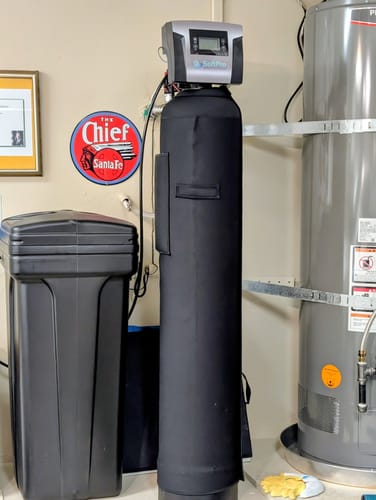
If you're a private well owner, you might wonder whether the EPA's 0.3 PPM iron standard even applies to you — and the short answer is: not legally. The EPA's secondary drinking water standards regulate public water supplies, so private wells fall outside their jurisdiction.
That said, dismissing the standard entirely would be a mistake. It exists for practical reasons — iron above 0.3 PPM causes staining, clogs plumbing, and affects taste. Those problems don't care whether your water comes from a municipal system or a private well.
We recommend treating the 0.3 PPM threshold as a useful benchmark rather than a bureaucratic checkbox. Voluntarily targeting that level protects your fixtures, appliances, and water quality — even without a legal obligation pushing you there.
Who Needs to Take Iron in Well Water Most Seriously?
For most people, iron in well water is more of a nuisance than a health threat — but four groups need to take it more seriously than the rest.
If you have hereditary hemochromatosis, your body already absorbs too much iron, so high-iron well water compounds an existing problem. Infants under 12 months are particularly vulnerable because elevated iron can disrupt their body's natural iron regulation.
Pregnant women should be cautious too, since excessive iron may affect fetal development. Finally, anyone with chronic liver disease or conditions affecting iron metabolism should consult a doctor before drinking high-iron well water regularly.
If you fall into any of these categories, don't treat iron as just a cosmetic issue — get your water tested and act on the results.
What Does Iron Above 0.3 PPM Actually Do to Your Water?
Once iron climbs above 0.3 PPM, it starts leaving its mark on nearly everything it touches. Your sinks, fixtures, and laundry develop reddish-brown stains that are frustratingly difficult to remove. Your drinking water takes on a metallic taste and murky discoloration that makes every glass unappealing.
But the damage goes deeper than aesthetics. Elevated iron creates ideal conditions for iron bacteria, which produce slime that clogs pipes and reduces water flow over time. That's an infrastructure problem, not just a cosmetic one.
At concentrations above 3 PPM, long-term consumption deserves real attention, particularly for infants and anyone managing certain health conditions. Iron above the secondary standard isn't an immediate crisis for most people, but it steadily degrades your water quality, your plumbing, and your daily experience.
How Do You Test Your Well Water for Iron?
Testing your well water for iron starts with getting a certified laboratory to run a chemical analysis—that's the most accurate route and the one we'd recommend if you want numbers you can actually act on. Home test kits work for a quick snapshot, but they won't give you the precision needed to choose the right treatment system.
When you collect your sample, follow proper sampling procedures carefully—sloppy collection means misleading results.
Here's what makes lab results especially useful: they distinguish between dissolved ferrous iron and oxidized ferric iron. That distinction directly determines which treatment approach will work.
We'd also suggest testing annually. Iron levels shift over time, and staying ahead of those changes keeps your treatment system dialed in and your water quality consistent.
Frequently Asked Questions
What Is the Acceptable Iron Level in Well Water in Ppm?
We recommend keeping your well water's iron level at or below 0.3 ppm. Beyond that threshold, you'll notice staining, metallic taste, and discoloration—telltale signs it's time to treat your water.
What Is the Secondary Maximum Contaminant Level for Iron?
The EPA's Secondary Maximum Contaminant Level (SMCL) for iron is 0.3 mg/L, or 0.3 ppm. It's not a health-based standard—it's an aesthetic guideline addressing staining, taste, and odor concerns in your water.
What Is a High Iron Level in Well Water?
We'd consider iron levels over 3–5 mg/L high in well water. At these concentrations, you'll likely face serious staining, metallic-tasting water, clogged plumbing, and appliance damage that demands immediate treatment intervention.
What Are Epa's Secondary Maximum Contaminant Levels (SMCLS)?
SMCLs are non-mandatory guidelines the EPA's established for 15 contaminants affecting water's taste, odor, and appearance. They're not health-based standards, so public water systems aren't required to test for or enforce them.


