


![SoftPro™ Chlorine+ Carbon Whole House Water Filter to Remove PFAS, Chlorine, Chloramine & Pesticides [City Water Filters Series]](http://softprowatersystems.com/cdn/shop/files/SoftPro_Whole_House_Carbon_Filter_with_Spin_Down_Water_Filter.webp?v=1783547361&width=140)


 855-683-8488


Greensand Iron Filter Maintenance vs Air Injection Iron Filter Maintenance

Greensand filters rely on a manganese dioxide coating to oxidize iron, but that coating needs regular potassium permanganate recharging to stay effective. Air injection (AIO) systems skip the chemicals entirely—they inject air to oxidize iron before it ever hits the filter media. AIO systems also backwash based on usage rather than fixed schedules, which cuts both time and long-term costs. There's a lot more separating these two systems than most people expect.
Key Takeaways
- Greensand filters require scheduled backwashing and regular potassium permanganate replenishment, creating a fixed, higher weekly maintenance commitment.
- AIO systems backwash based on actual usage rather than fixed schedules, eliminating chemical handling entirely.
- Greensand media lasts 3–5 years; AIO's Katalox Light media lasts 6–8 years with minimal upkeep.
- AIO systems handle sulfur, low pH, and unpredictable water conditions better than greensand, reducing maintenance complications.
- Over 10 years, AIO's chemical-free, usage-based operation results in consistently lower total maintenance costs than greensand.
How Greensand and AIO Systems Oxidize and Filter Iron

Both greensand and AIO (Air Injection Oxidation) filters tackle dissolved iron removal at the source, but they take very different paths to get there. Greensand filters rely on a manganese dioxide coating that chemically oxidizes dissolved ferrous iron on contact, converting it into filterable ferric particles. That coating, however, requires regular recharging with potassium permanganate to stay effective.
AIO systems work differently. They inject air directly into the filter tank, creating an oxygen-rich environment that physically oxidizes iron before it ever touches the filter media. No chemicals involved — just air doing the heavy lifting.
Understanding this distinction matters because the oxidation method each system uses determines everything about its maintenance demands, operational complexity, and long-term resilience under challenging water conditions.
Which Water Conditions Call for Greensand vs. AIO?
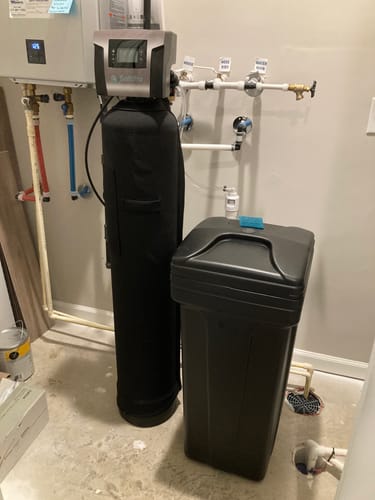
The oxidation method a system uses doesn't just shape its maintenance demands — it also determines which water conditions it can realistically handle. Greensand filters perform best in stable, neutral pH water between 6.8–7.5, making them reliable workhorses for straightforward iron and manganese problems. But introduce hydrogen sulfide, low pH, high sediment, or organics, and their performance drops fast.
AIO filters thrive where greensand struggles. Low-oxygen, sulfur-heavy water? AIO handles it. Unpredictable or acidic conditions? AIO adapts. Because they rely entirely on injected air rather than chemical coatings, they're not vulnerable to the same disruptions.
If your water is complex or your maintenance bandwidth is limited, AIO's chemical-free operation and broader tolerance range make it the more practical long-term choice.
Which System Demands More Weekly Maintenance?
When it comes to weekly upkeep, greensand filters demand noticeably more from you than AIO systems do. Greensand requires scheduled backwashing, potassium permanganate monitoring, and regular replenishment—a consistent labor-and-chemical routine that compounds over time. AIO systems backwash based on usage and eliminate chemical inventories entirely.
| Factor | Greensand Filter | AIO System |
|---|---|---|
| Backwashing | Scheduled/rigid | Usage-driven |
| Chemical handling | Potassium permanganate required | None |
| Fixed schedules | Yes | No |
| Weekly time investment | Higher | Lower |
| Long-term savings | Limited | Significant |
That difference adds up fast. We've seen annual labor and supply costs run noticeably higher with greensand, while AIO's chemical-free operation builds real savings—especially across a 10–20 year lifespan engineered for minimal intervention.
Greensand vs. AIO: Media Lifespan and Replacement Compared
Media lifespan is where these two systems really start to separate. Greensand media typically needs replacement every 3–5 years, and that's before factoring in the ongoing potassium permanganate regeneration it demands throughout its life. AIO Katalox Light media, by contrast, stretches 6–8 years with minimal maintenance and zero chemical inputs.
That difference compounds over time. When we map out a 10-year ownership window, greensand's cumulative maintenance costs—chemicals, replacement media, rigid backwash schedules—can exceed what an AIO system costs to run entirely. AIO systems backwash based on actual usage, not a fixed calendar, which reduces wear and extends media performance.
If you're thinking long-term, the math favors AIO clearly. Lower operating expenses, longer media life, and no chemical dependency—that's a meaningful advantage.
Greensand vs. AIO: Total Cost of Ownership Compared
Owning a water treatment system isn't just about the upfront purchase price—it's about what you'll spend over years of operation. Over a 10-year period, greensand systems consistently outpace AIO systems in total cost—not because of any single expense, but because of compounding ones. You're managing potassium permanganate inventory, scheduling chemical regeneration, replacing media every 3-5 years, and absorbing the labor that ties it all together. Those costs stack up quietly but relentlessly.
AIO systems eliminate chemical handling entirely, backwash on demand rather than rigid schedules, and their catalytic media lasts 6-8 years. Less labor, fewer consumables, no chemical overhead. When we look at the full financial picture, AIO's lower operating demands translate directly into meaningful long-term savings.
Frequently Asked Questions
How Long Do Greensand Filters Last?
Greensand filter media typically lasts 3-5 years before it needs replacing. As the manganese dioxide coating gradually breaks down, you'll notice declining iron removal performance — a sign it's time for a fresh media replacement.
What Type of Water Filter Is Best for Iron?
We recommend air injection iron filters for most situations — they handle up to 30 ppm, require no chemicals, and last longer than greensand or Birm alternatives, making them the clear frontrunner for effective iron removal.
What Is the Life Expectancy of an Iron Filter?
We've seen air injection iron filters last 10–20 years with minimal intervention, while greensand filters typically need media replacement every few years—making your filter choice a critical long-term investment decision.
What Is the Best Filter Media for Iron Removal?
We recommend Katalox-Light media for most applications—it handles up to 30 ppm of ferrous iron without chemicals. However, your water's iron concentration, type, and pH ultimately determine which media best suits your needs.


