


![SoftPro™ Chlorine+ Carbon Whole House Water Filter to Remove PFAS, Chlorine, Chloramine & Pesticides [City Water Filters Series]](http://softprowatersystems.com/cdn/shop/files/SoftPro_Whole_House_Carbon_Filter_with_Spin_Down_Water_Filter.webp?v=1783547361&width=140)


 855-683-8488


How Pipe Age and Material Affect Iron Levels in Well Water

Pipe age and material directly affect how much iron ends up in your well water. Old galvanized steel and cast iron pipes corrode from the inside, releasing iron into every glass you drink. Copper pipes develop pinhole leaks that allow iron sediment to build up. Acidic water accelerates this process, and plastic pipes like PVC contribute zero iron. Stick with us, and we'll show you exactly what this means for your home.
Key Takeaways
- Galvanized steel and cast iron pipes corrode internally over time, releasing increasing amounts of iron into well water.
- Plastic pipes like PVC contribute zero iron contamination, making them a cleaner alternative to metal pipes.
- Older pipes develop rougher interiors and biofilm buildup, creating ideal conditions for iron accumulation and bacterial growth.
- Acidic water accelerates pipe corrosion, causing galvanized steel and copper pipes to leach more iron over time.
- Testing water at both the well and indoor faucet reveals whether high iron originates from groundwater or aging plumbing.
Why Old Pipes Leach More Iron Into Your Well Water

The older your pipes get, the more iron they're likely leaching into your well water — and understanding why can help you take the right steps to protect your home. As galvanized steel and cast iron age, they corrode from the inside out, releasing iron directly into your water supply.
Copper pipes aren't immune either — pinhole leaks create entry points for iron sediment buildup. Here's what accelerates the problem: aging pipe interiors develop rougher surfaces, giving iron deposits more area to accumulate. Add acidic water conditions into the mix, and corrosion happens even quicker.
Worse, mineral deposits and biofilm on old pipes create ideal conditions for iron bacteria, compounding contamination considerably. Your pipe material and age aren't minor details — they're critical variables.
What High Iron From Corroded Pipes Does to Your Home
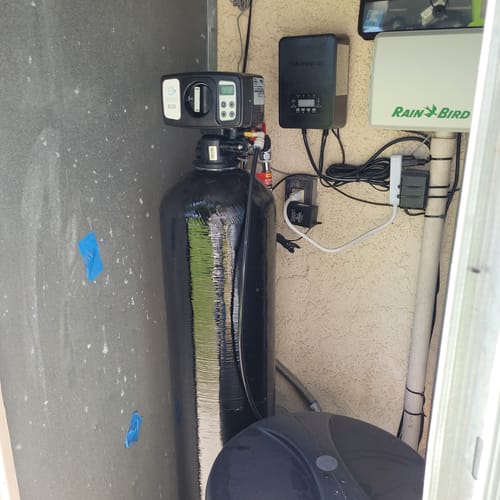
High iron from corroded pipes doesn't just affect your water — it wages a slow, expensive war on your entire home. Those rust-colored stains on your fixtures and laundry? That's iron particles making themselves comfortable. And it doesn't stop there.
Clogged pipes quietly strangle your water pressure, while iron buildup systematically destroys your water heater, washing machine, and appliances from the inside out. You're shortening their lifespan without even realizing it.
Even your kitchen takes a hit. Metallic-tasting water distorts the flavor and appearance of everything you cook or drink. Older galvanized steel pipes are especially guilty here — they rust progressively, releasing more iron over time. Understanding this damage is the first step toward stopping it.
Which Pipe Materials Contribute Most to Iron Contamination
Not all pipes are created equal when it comes to iron contamination. Galvanized steel pipes are the biggest offenders—their zinc coating deteriorates over time, exposing the steel beneath to aggressive corrosion.
Cast iron pipes aren't far behind, releasing significant iron as they rust from the inside out. If your home has either of these, you're likely dealing with elevated iron levels.
Copper pipes present a lower risk but aren't entirely innocent—minor corrosion can still introduce trace iron into your water. The clear winner? Plastic pipes like PVC contribute zero iron contamination.
Here's what ties it all together: pipe age amplifies everything. Even a moderately corrosive material becomes a serious problem after decades of use, turning a manageable issue into a significant contamination source.
How to Tell If Your Pipes Are the Source of High Iron Levels?
Pinpointing whether your pipes are the culprit behind high iron levels isn't as complicated as it sounds—you just need to know where to test. Start by collecting water directly from the well, before it travels through your home's plumbing. Then test again at an indoor faucet.
If iron levels are substantially higher at the faucet, your pipes are likely the source. Older galvanized steel, copper, and even lead pipes with iron-based solder can all leach iron—especially when water is acidic or the plumbing has aged.
This two-point testing method cuts through the guesswork, giving you a clear picture of whether you're dealing with a groundwater issue or a plumbing problem. Knowing the difference shapes everything about your solution.
When Should You Replace Pipes Instead of Filtering the Iron?
Once we comprehend whether our pipes are the problem, the next question is whether to filter around them or just replace them.
If iron exceeds 3 mg/L and your galvanized pipes are aging, replacement often outperforms filtration long-term. Here's how to think through the decision:
| Factor | Replace Pipes |
|---|---|
| Iron levels above 3 mg/L | Stronger long-term solution |
| Aging galvanized steel confirmed | Eliminates the source directly |
| Filtration maintenance costs rising | Replacement becomes cost-competitive |
Copper and PVC don't contribute iron the way galvanized steel does, so switching materials solves the root cause rather than masking it.
One would strongly recommend consulting a water treatment professional before committing either way — the right answer depends on your specific pipe condition, water chemistry, and budget.
Frequently Asked Questions
What Causes High Levels of Iron in Well Water?
High iron levels in your well water often stem from corroding pipes, acidic groundwater dissolving minerals, aging steel casings, and poor well maintenance—all of which we can address once we've identified the root cause.
What Is an Acceptable Iron Level in Well Water?
We consider 0.3 mg/L the EPA's acceptable iron threshold for well water. Levels below this won't cause taste, odor, or staining issues, though iron typically isn't a health hazard even at higher concentrations.
How to Keep Iron Levels Down in Well Water?
We can keep iron levels down by replacing old galvanized pipes with PVC, installing an iron-specific filtration system, maintaining our well regularly, and testing water periodically to catch problems before they escalate.
What Is the Cheapest Way to Remove Iron From Well Water?
We'll find that water softeners are the cheapest option for removing iron up to 3 ppm. For higher levels, aeration systems offer cost-effective middle ground, but professional testing verifies we're choosing the most economical solution.


