


![SoftPro™ Chlorine+ Carbon Whole House Water Filter to Remove PFAS, Chlorine, Chloramine & Pesticides [City Water Filters Series]](http://softprowatersystems.com/cdn/shop/files/SoftPro_Whole_House_Carbon_Filter_with_Spin_Down_Water_Filter.webp?v=1783547361&width=140)


 855-683-8488


How to Collect a Representative Well Water Sample for Iron Analysis

To collect a representative well water sample for iron analysis, flush your tap for 2-3 minutes first, then fill a sterile 120 ml container before any treatment equipment. Minimize headspace, cap it tight, and refrigerate immediately. Ship it to a certified lab within 48 hours using an insulated cooler with ice packs. Every step matters because iron changes form fast once it's exposed to air. Stick around and we'll walk you through exactly how to get it right.
Key Takeaways
- Flush your well tap for 2-3 minutes before collecting to remove stagnant water and sediment that could skew iron readings.
- Collect the sample before any treatment equipment, such as filters or softeners, to capture true baseline iron concentrations.
- Use a clean, sterile 120 ml plastic bottle, avoiding contact with the container interior to prevent contamination.
- Refrigerate the sample immediately and ship it in an insulated cooler with ice packs to maintain 4°C throughout transit.
- Deliver the sample to a certified lab within 48 hours, as delays allow dissolved iron to oxidize and alter results.
Why Iron Testing Needs Its Own Water Sample

Iron is one of those sneaky contaminants that can change form the moment it hits open air, which is exactly why it demands its own dedicated water sample. When iron oxidizes, it transforms from dissolved ferrous iron into visible ferric particles — and that shift completely distorts your results.
If we're pulling a single sample for a full water panel, the handling requirements for iron will compromise everything else, or vice versa. Iron samples need minimal headspace, no aeration, and often require acidification immediately after collection. Other parameters have entirely different preservation needs.
What to Gather Before You Collect a Well Water Sample
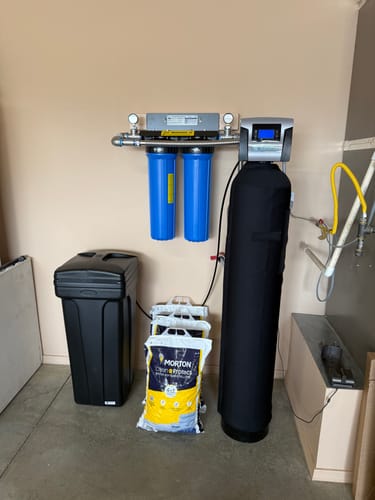
Before we collect a single drop of water, we need the right gear in hand — because a flawless collection technique means nothing if we're using the wrong container. Start with a clean, sterile 120 ml plastic bottle with a tight-fitting cap. Better yet, grab a sample collection kit directly from a certified laboratory — it'll include everything we need plus specific instructions calibrated for accuracy.
Here's something most people overlook: temperature control matters enormously. We'll need an insulated container loaded with ice packs to keep our sample at a stable 4°C during transport. Without that cold chain, iron concentrations can shift before the lab even opens the bottle.
Gather these three things first, and we've already eliminated the most common collection failures before they happen.
How to Pull a Clean Iron Water Sample From Your Well
With our gear ready, let's walk through the actual collection process — because a few deliberate steps here are what separate a usable sample from a wasted trip to the lab.
First, run the tap for 2-3 minutes to flush the plumbing. Then, collect before any treatment equipment — filters or softeners mask what's actually in your well.
| Step | Why It Matters |
|---|---|
| Flush 2-3 minutes | Clears pipe sediment and stagnant water |
| Sample prior to treatment | Captures true iron concentration |
| Use sterile container | Prevents contamination skewing results |
| Label with date, time, location | Ensures lab traceability |
Don't touch the container's interior. Refrigerate immediately and deliver to the lab within 24-30 hours for accurate bacterial and iron readings.
How to Store and Ship Your Well Water Sample for Iron Testing
Once you've collected your sample, how you store and ship it determines whether those results are actually trustworthy. Refrigerate the sample immediately until you're ready to ship. Then pack it in a cooler with ice packs — cold chain matters.
Collect it right, store it cold. How you handle your sample after collection determines everything.
Here's where most people lose valid results: timing. Private well samples must reach the laboratory within 48 hours. Miss that window, and the lab rejects it.
Also watch for these automatic disqualifiers: exceeded transit time, missing collection date or time, insufficient volume, leakage, freezing, disinfectant presence, or using an unapproved container. Any one of these voids your sample.
Once received, expect iron bacteria results — processed by special request — reported back to you within 48–72 hours. Ship smart, and your data holds up.
Common Collection Mistakes That Skew Iron Test Results
Shipping your sample correctly keeps your results valid — but even a perfect shipment can't save data that was compromised before the water ever hit the bottle. Collection mistakes are surprisingly common and quietly devastating to accuracy.
| Mistake | Why It Skews Results | Fix |
|---|---|---|
| Sampling stagnant tap water | Artificially elevates iron readings | Flush system thoroughly first |
| Touching container interior | Introduces iron contamination | Handle only the outside |
| Sampling after treatment/filtration | Masks true baseline concentration | Use untreated, unfiltered tap |
One additional trap: delaying shipment allows dissolved iron to oxidize and precipitate, so the lab misses it entirely. We can't stress this enough — every step between the faucet and the lab either protects or pollutes your data.
Frequently Asked Questions
How to Collect a Well Water Sample for Testing?
Use a sterile bottle, run cold water 2-3 minutes to flush pipes, then collect your sample. Don't touch the bottle's interior, label it with date and time, and deliver it promptly to the lab.
How Can I Test for Iron in a Water Sample?
We can test for iron using colorimetric test kits, laboratory spectrophotometry, or digital photometers. Each method measures ferrous and ferric iron concentrations, giving us precise readings to determine if your water exceeds the 0.3 mg/L EPA standard.
How Would You Collect a Water Sample for Analysis?
We'll use a sterile lab container, flush the tap for 2-3 minutes, then collect before any filters. We'll fill it completely, seal it tight, label it, and deliver it within 24-30 hours.
Will Shocking a Well Get Rid of Iron Bacteria?
Shocking your well won't permanently eliminate iron bacteria. While it'll kill them temporarily, they'll quickly reestablish themselves. We need long-term treatment strategies that address your well's construction, water chemistry, and environmental conditions for lasting control.


