


![SoftPro™ Chlorine+ Carbon Whole House Water Filter to Remove PFAS, Chlorine, Chloramine & Pesticides [City Water Filters Series]](http://softprowatersystems.com/cdn/shop/files/SoftPro_Whole_House_Carbon_Filter_with_Spin_Down_Water_Filter.webp?v=1783547361&width=140)


 855-683-8488


Iron Filter Control Valve Drivetrain Failure: Symptoms and Solutions

When your iron filter's control valve drivetrain starts failing, you'll notice warning signs like grinding noises, inconsistent water pressure, or an inability to trigger manual regeneration. These problems typically stem from mineral buildup, high iron content wearing down components, or lack of routine maintenance. You can often repair the drivetrain by replacing worn gears and lubricating moving parts — but sometimes full replacement makes more sense. Stick with us, and we'll walk you through everything you need to know.
Key Takeaways
- Grinding noises, inconsistent water pressure, and inability to trigger manual regeneration are common symptoms of iron filter control valve drivetrain failure.
- High iron content accelerates wear on drivetrain components, while mineral buildup binds gears, cams, and drive mechanisms over time.
- Manually cycling the valve helps isolate whether the issue is mechanical or electrical before attempting repairs.
- Replacement is often preferred over repair when gears are damaged, bearings are worn, or seals are compromised.
- Annual lubrication of the drive cam, quarterly timing tests, and regular brine tank cleaning prevent most drivetrain failures.
Warning Signs Your Control Valve Drivetrain Is Failing

When your iron filter's control valve drivetrain starts failing, it rarely goes quietly. We've seen it time and again—grinding or clunking noises during regeneration cycles are often the earliest red flags, signaling internal component damage before a complete breakdown occurs.
Watch for inconsistent water pressure and flow rates too. That's mineral buildup choking your drivetrain's operation. If you can't trigger a manual regeneration cycle, suspect compromised linkages or gears. Short-cycling or premature regeneration? Your drivetrain mechanism's struggling.
Don't overlook what's visible either. Rust or mineral deposits inside the control valve housing directly undermine smooth drivetrain function. Catching these warning signs early separates proactive owners from those facing costly emergency repairs. Recognizing the pattern means you're already ahead of the problem.
What Causes Iron Filter Control Valve Drivetrain Failure?
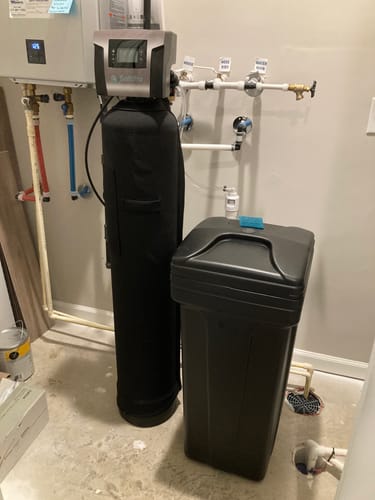
Understanding what kills a control valve drivetrain helps you stop the problem before it stops your system. Most failures trace back to a handful of culprits we see repeatedly.
Mineral buildup and corrosion bind the gears, cams, and drive mechanisms over time. High iron content accelerates that wear, chewing through drivetrain components faster than you'd expect. Skip routine lubrication and cleaning, and scale with sludge finishes the job quietly.
Electrical problems hit differently. Power surges and improper wiring damage the control board, which disrupts the motor and actuator functions entirely. We've watched perfectly good mechanical drivetrains fail simply because the electrical side wasn't protected.
Finally, physical damage from rough handling or a botched installation compromises structural integrity immediately. Each cause is preventable once you know what you're fighting.
Fix or Replace? How to Decide on Your Control Valve Drivetrain
Knowing what kills your drivetrain is only half the battle—now you've got to decide what to do about it. If you're seeing persistent leaks, erratic regeneration cycles, or strange noises, get a qualified water treatment specialist involved immediately. They'll tell you what you're actually dealing with.
Replacement wins in most serious cases. Better yet, upgrading to a modernized control valve design pays dividends—improved efficiency, longer maintenance intervals, and stronger long-term reliability. Don't patch a failing system when a better one's available. Make the smarter investment.
If the gears are damaged, bearings are worn, or seals are compromised, repair rarely makes financial sense. These components are deeply integrated, making piecemeal fixes more expensive than they're worth.
How to Repair a Failing Iron Filter Control Valve Drivetrain
Repairing a failing iron filter control valve drivetrain isn't always straightforward, but in some cases—particularly when the damage is caught early—it's absolutely worth attempting before committing to a full replacement. Start by powering down the system and manually cycling the valve to isolate whether the issue is mechanical or electrical.
Worn drive gears are often the culprit, and manufacturer-specific gear kits are widely available. Swap them out carefully, ensuring proper alignment. If the motor's running but the valve isn't cycling, inspect the coupling between the motor and gear assembly—it's frequently overlooked. Lubricate all moving components with food-grade silicone grease.
Reassemble, restore power, and run a manual regeneration cycle to confirm everything's tracking correctly. Catching problems early makes this repair genuinely manageable.
How to Prevent Control Valve Drivetrain Failure
While catching drivetrain problems early gives us a fighting chance at repair, the real win is stopping those problems from developing in the first place. Prevention isn't complicated—it's consistent.
| Task | Frequency | Why It Matters |
|---|---|---|
| Lubricate drive cam | Annually | Reduces gear wear |
| Inspect motor connections | Every 6 months | Prevents electrical failure |
| Check bypass valve seals | Annually | Stops pressure damage |
| Clean brine tank | Every 6 months | Eliminates sediment buildup |
| Test cycle timing | Quarterly | Catches drift early |
Each of these steps takes minutes but buys years of reliable performance. We're not just maintaining equipment—we're protecting water quality and avoiding costly emergency replacements. A proactive schedule transforms an unpredictable failure into a manageable routine.
Frequently Asked Questions
How Do I Know if My Iron Filter Is Working?
You'll know your iron filter's working when your water runs clear, tastes clean, and leaves no orange stains on fixtures. Test it by checking for rotten-egg odors, rust-colored water, or buildup around faucets.
How Long Does It Take for an Iron Filter to Regenerate?
Regeneration typically takes 15–30 minutes, though heavily fouled media or high iron concentrations can require longer cycles. We'd recommend ensuring your control valve's programmed correctly—incomplete cycles reduce filtration efficiency and cause frustrating iron breakthrough.
Why Is My Iron Filter Not Working?
Your iron filter may not be working due to a failed control valve drivetrain — a common culprit. We'll often see worn gears, broken cams, or stripped components preventing proper regeneration cycles from completing successfully.
How to Maintain an Iron Filter?
We'll keep your iron filter running strong by performing monthly regeneration cycles, cleaning the air injector every 6 months, replacing media every 2-3 years, installing a sediment pre-filter, and scheduling annual professional inspections.


