


![SoftPro™ Chlorine+ Carbon Whole House Water Filter to Remove PFAS, Chlorine, Chloramine & Pesticides [City Water Filters Series]](http://softprowatersystems.com/cdn/shop/files/SoftPro_Whole_House_Carbon_Filter_with_Spin_Down_Water_Filter.webp?v=1783547361&width=140)


 855-683-8488


Iron Filter Control Valve Failure Signs and How to Diagnose Them

Iron filter control valve failure shows up in ways that are easy to miss — pooling water near the unit, rust-colored water at your taps, dropping pressure, or strange gurgling during regeneration cycles. But here's what catches most people off guard: mineral buildup, injector clogs, and air pockets can mimic the exact same symptoms. Knowing how to tell the difference saves you from replacing parts you don't need, and we've got everything you need to diagnose it correctly.
Key Takeaways
- Pooling water near the unit, rust-colored water, and decreased water pressure are common signs of iron filter control valve failure.
- Mineral deposits encrusting O-rings, gaskets, and injector assemblies can cause pressure imbalances that mimic control valve failure.
- A blocked injector preventing proper air introduction during the brine cycle often appears identical to valve malfunction.
- Check backwash flow rate, inspect seals for mineral buildup, and look for salt bridges to accurately diagnose the problem.
- Valves under 10 years old typically warrant seal replacement, while older valves often justify full replacement instead.
Signs Your Iron Filter Control Valve Is Leaking or Failing

When an iron filter control valve starts to fail, the warning signs are usually hard to miss. You'll often notice pooling water near the unit, rust-colored water coming through your taps, or mineral deposits forming around valve connections. These aren't just cosmetic issues—they signal deeper mechanical problems.
Beyond the visible signs, pay attention to performance changes. Decreased water pressure, gurgling or sucking noises during regeneration cycles, and inconsistent iron removal all point to valve trouble. If iron's breaking through your treated water, the valve isn't cycling correctly.
Inside the valve, mineral buildup on O-rings and seals accelerates deterioration. Air pockets can also push filter media into the valve assembly, causing persistent leaks and preventing proper sealing. Catching these signs early saves you from costlier repairs.
How to Tell If Your Iron Filter Control Valve Is Actually the Problem
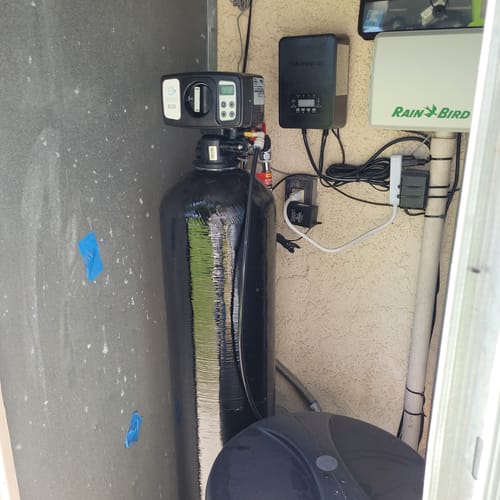
Before assuming the worst, we need to rule out whether the control valve is actually the culprit—or if something else is mimicking its symptoms. Blocked injectors, salt bridges, and air pockets can all produce leaks and inconsistent hardness levels that look identical to valve failure.
Use this diagnostic framework to pinpoint the real source:
| Symptom | Possible Cause | Confirming Test |
|---|---|---|
| Rust-colored water | Bypassed iron filter | Check backwash flow rate |
| Leaks at connections | Worn O-rings/seals | Inspect for mineral deposits |
| Inconsistent softness | Injector blockage | Test regeneration cycle settings |
If symptoms persist after addressing injectors and salt bridges, compromised seals inside the control valve are almost certainly responsible.
How Mineral Buildup Damages Your Iron Filter Control Valve
Mineral buildup doesn't just clog your iron filter—it actively dismantles the control valve from the inside out. Deposits accumulate inside the injector assembly, creating pressure imbalances that force water past seals that were never designed to handle that stress.
Mineral buildup doesn't just clog your iron filter—it actively dismantles the control valve from the inside out.
Once minerals encrust the O-rings and gaskets, those components lose surface contact and the seal fails entirely.
Insufficient backwash flow means minerals never fully evacuate, so buildup accelerates. Add air pockets or salt bridges in the brine tank, and you're actively driving mineral debris straight into the valve mechanism.
You don't need heavy deposits to cause problems. Even minor accumulation on internal components compromises seal integrity, turning a small maintenance oversight into a persistent, damaging leak.
Injector and Venturi Clogs That Mimic Iron Filter Control Valve Failure
Many iron filter problems that look like control valve failures trace back to something far simpler—a clogged injector or venturi. Before assuming the worst, check these four diagnostic indicators:
- No gurgling or sucking sounds during the brine cycle signals insufficient air draw
- Airflow disruption that mimics control valve leaks or mechanical failure
- Blocked injector ports preventing proper air introduction into the media
- Mazzei-style systems requiring separate troubleshooting protocols from traditional air-over-media filters
We recommend removing the injector assembly entirely and cleaning each component thoroughly, including the injector port itself. This single step resolves most air draw problems without replacing expensive control valve components. Identifying air inlet clogs first saves time, money, and prevents misdiagnosis that leads to unnecessary repairs.
When to Repair vs. Replace Your Iron Filter Control Valve
Once you've ruled out injector and venturi clogs as the culprit, it's time to ask a harder question—do you repair the control valve or replace it entirely?
If your valve is under 10 years old and you're only dealing with leaks or pressure imbalances, replacing worn seals and o-rings is usually the smarter, more cost-effective move—provided your other filtration components are still performing well.
However, if it's over a decade old, leaking frequently, or struggling to maintain consistent backwash flow rates, replacement makes more sense than pouring money into repairs.
Before deciding, inspect thoroughly for mineral buildup, air pockets, and physical damage. Then cross-reference the manufacturer's service life recommendations. That combination of hands-on inspection and manufacturer guidance gives you the clearest path forward.
Frequently Asked Questions
How to Know if a Control Valve Is Bad?
We'll know a control valve's failing if we spot leaking water, rust stains, unusual noises, reduced pressure, inconsistent water quality, or erratic regeneration cycles — these warning signs demand immediate attention before filtration efficiency collapses completely.
How Do I Know if My Iron Filter Is Working?
If your iron filter's working, you won't see rusty stains, discolored water, or taste metal. Test your treated water — iron levels should stay below 0.3 ppm, and water pressure should remain consistent.
How to Tell if a Well Pump Check Valve Is Bad?
We'll know our well pump check valve's bad if we hear water gurgling back down the well when the pump's off, notice erratic pressure, or see frequent pump cycling—these are telltale signs.
How to Check a Control Valve?
We'll start by visually inspecting for leaks, mineral deposits, and discoloration. Next, we'll test water quality, examine the injector assembly, verify operational parameters, and correlate iron spikes with valve performance during regeneration cycles.


