


![SoftPro™ Chlorine+ Carbon Whole House Water Filter to Remove PFAS, Chlorine, Chloramine & Pesticides [City Water Filters Series]](http://softprowatersystems.com/cdn/shop/files/SoftPro_Whole_House_Carbon_Filter_with_Spin_Down_Water_Filter.webp?v=1783547361&width=140)


 855-683-8488


Iron Filter Control Valve Rebuild Kit: What It Includes and When to Use It

An iron filter control valve rebuild kit typically includes replacement O-rings, seals, and pistons designed to restore your valve to like-new condition. For around $30, you're getting a fraction of what full valve replacement costs. We recommend using one when you notice leaks, erratic pressure, or weakened filtration. A proper rebuild delivers another 5-7 years of reliable performance. Stick with us and we'll show you exactly what to look for, how to install it, and what mistakes to avoid.
Key Takeaways
- A rebuild kit typically includes replacement O-rings, seals, and pistons designed for brand-specific compatibility, costing far less than a full valve replacement.
- Rebuild your control valve when you notice unusual noises, erratic water pressure, visible leaks, or decreased iron filtration effectiveness.
- During installation, lubricate all O-rings with silicone, confirm riser tube alignment, and verify the inlet check valve direction before reconnecting.
- Avoid using wrong O-ring sizes, overtightening fittings, or skipping lubrication, as these mistakes can crack the plastic valve body.
- A properly rebuilt control valve delivers 3–5 years of reliable performance, extendable with regular O-ring swaps and proper lubrication maintenance.
What's Inside an Iron Filter Control Valve Rebuild Kit

When your iron filter's control valve starts leaking, losing pressure, or making strange noises, you don't necessarily need to replace the whole unit — that's where a rebuild kit comes in. These kits contain everything your valve's internals need: replacement O-rings, seals, and pistons — the exact components that wear down after years of continuous cycling.
Think of it as a mechanical reset. Rather than discarding a valve that's structurally sound but internally exhausted, you're swapping out precisely what failed. Most kits are brand-specific, so you're not guessing about compatibility. At $50–$150, they're a fraction of full valve replacement costs. And once rebuilt, you're looking at another 5–7 years of reliable performance — a return on investment that's hard to argue with.
Signs Your Iron Filter Control Valve Needs Rebuilding
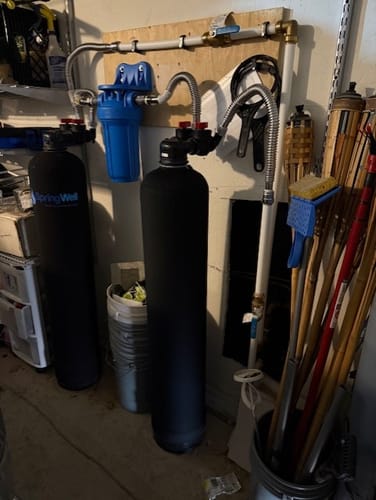
Knowing what's inside a rebuild kit is only half the battle — we also need to recognize when it's time to actually use one. Catching early warning signs prevents costly repairs down the road.
Watch for these four red flags:
- Unusual noises or erratic water pressure — gurgling, hammering, or inconsistent flow signals internal valve wear.
- Decreased filtration effectiveness — iron breakthrough means the valve isn't cycling correctly.
- Visible leaks around valve seals — moisture around fittings indicates seal or gasket failure.
- Electrical malfunctions — a disabled control system often requires immediate valve intervention.
Delaying maintenance turns a straightforward rebuild into an expensive replacement — sometimes exceeding 50% of a new valve's cost. Annual inspections keep small issues from becoming financial headaches.
How to Install Your Control Valve Rebuild Kit
With the warning signs fresh in mind, let's walk through the actual installation so you can get your iron filter back to peak performance. First, confirm your riser tube sits flush with the mineral tank top or no more than ½ inch above the white collar opening—precision here prevents future leaks.
Next, lubricate both O-rings on the control valve's underside before seating it. Skip the plumber's tape and thread locker entirely; hand-tighten until snug. Verify your inlet check valve sits on the left side and faces the correct direction—reversed placement kills performance.
Finally, lubricate the bypass valve coupler O-rings, attach the bypass to the control valve, then connect everything to your main water supply. You're back in business.
Don't Make These Mistakes During the Rebuild
Even a smooth installation can unravel fast if you slip up on a few critical details. We've seen plenty of rebuilds go sideways because of easily avoidable errors. Don't let that happen to you.
Watch out for these four common mistakes:
- Wrong O-ring or gasket sizes — improper sizing prevents a proper seal.
- Overtightening fittings — excess torque cracks the plastic valve body.
- Skipping silicone lubricant — unlubricated components wear prematurely and fail faster.
- Neglecting to clean the valve housing — mineral buildup increases friction and shortens valve life.
We'd also add: double-check your riser tube and bypass valve alignment. Improper installation disrupts water flow and tanks your filter's performance before it ever gets started.
How Long a Rebuilt Control Valve Lasts: and How to Push It Further
Once you've rebuilt your control valve correctly, you're looking at a solid 3–5 years of reliable performance—but with a little ongoing attention, you can push that even further.
Swap out O-rings and gaskets regularly, and you'll add another 1–2 years to that lifespan. Don't skip lubrication—keeping internal components properly greased is what separates a valve that lasts from one that fails early.
Dial in your regeneration cycle settings according to the manufacturer's specs, because running it wrong quietly accelerates wear. Finally, protect the valve from power surges and pressure spikes whenever possible.
None of these steps are complicated, but together they compound into years of extra service life—and that's exactly what separates informed owners from frustrated ones replacing valves ahead of schedule.
Frequently Asked Questions
How Often Should an Iron Filter Regen?
We recommend regenerating your iron filter every 7-14 days or after 1,000-3,000 gallons. Your household size, water usage, and iron levels determine the ideal frequency—dial it in to avoid wasted salt and iron buildup.
What Are Common Problems With Iron Filters?
We've seen iron filters struggle with unusual noises, erratic water pressure, decreased filtration, leaking valve seals, and electrical malfunctions. Iron-rich water accelerates these issues, making proactive maintenance essential for keeping your system performing at its best.
How Do I Know if My Iron Filter Is Working?
You'll know your iron filter's working when your water runs clear, smells fresh, and leaves no rust stains. Listen for smooth regeneration cycles and watch for consistent water pressure throughout your home.
How Often Should I Replace My Iron Filter?
We recommend replacing your iron filter control valve every 5-7 years, though high iron content accelerates wear. Stay ahead of costly failures by scheduling annual maintenance—it's your best defense against $100-$500 in avoidable repairs.


