


![SoftPro™ Chlorine+ Carbon Whole House Water Filter to Remove PFAS, Chlorine, Chloramine & Pesticides [City Water Filters Series]](http://softprowatersystems.com/cdn/shop/files/SoftPro_Whole_House_Carbon_Filter_with_Spin_Down_Water_Filter.webp?v=1783547361&width=140)


 855-683-8488


Iron Filter for a Mobile Home: Space, Drain, and Plumbing Considerations

When installing an iron filter in a mobile home, we need at least 2 square feet of floor space with 12 inches of clearance around the unit. A compact 9-12 inch diameter filter handles up to 30 ppm iron without overwhelming tight spaces. We'll also want a drain connection within 5 feet, never tied to the septic system. Get these basics right, and the rest of the installation falls into place surprisingly smoothly.
Key Takeaways
- An iron filter for a mobile home typically requires a 9-16 inch diameter unit with 12 inches of clearance on all sides.
- The drain line must connect within 5 feet of the filter and should never route to a septic system.
- A 1-2 cubic foot media filter handles up to 30 ppm iron, 15 ppm manganese, and 10 ppm hydrogen sulfide.
- Confirm at least 2 square feet of floor space, a nearby power outlet, and accessible plumbing connections before installation.
- A 24,000-grain capacity filter with integrated salt storage costs $300-$500 installed and suits most mobile home setups.
How Much Space Does a Mobile Home Iron Filter Actually Need?

When setting up an iron filter in a mobile home, space planning can make or break the installation. Most units need a diameter of 12-16 inches and stand 36-48 inches tall, so measuring your utility space beforehand saves serious headaches later.
We also recommend keeping 12 inches of clearance around the unit—you'll need that room for maintenance and salt replenishment. If you're working with a tight utility closet or under-counter setup, look for compact models under 30 inches tall.
Don't forget the floor space. The integrated salt storage bin requires roughly 2 square feet to function properly and prevent moisture buildup. Plan for that footprint from day one, and your installation stays clean, accessible, and efficient for the long haul.
Which Iron Filter Size Works Best for Mobile Home Well Water?
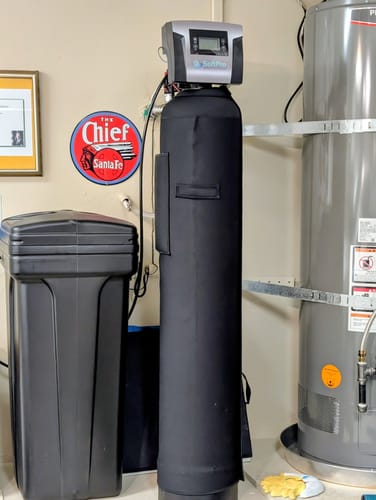
Sizing an iron filter correctly can mean the difference between crystal-clear water and a system that's constantly struggling to keep up. For most mobile homes, a compact 1–2 cubic foot media filter hits the sweet spot. A 1.5 cubic foot unit, for instance, can tackle up to 30 ppm of iron, 15 ppm of manganese, and 10 ppm of hydrogen sulfide — more than enough for typical well water conditions.
We also recommend matching the filter size to your actual well pump flow rate, which tends to run lower in mobile home setups than in larger residential systems. Smaller filters also demand less backwash flow, making installation noticeably simpler. That combination of compact size and lower flow requirements makes the whole project far more manageable.
What Should You Check in Your Mobile Home Plumbing Before Installing?
Before you purchase an iron filter, it's worth doing a quick walkthrough of your mobile home's plumbing setup to avoid costly surprises. First, confirm you have at least 2 square feet of floor space, plus 12 inches of clearance on all sides for maintenance access. Standard iron filters run 36–52 inches tall and 10–12 inches in diameter, so measure carefully.
Next, locate your nearest drain point. Backwashing generates significant flow, and you'll need a drain within 5 feet to handle it efficiently. While you're at it, identify nearby power outlets and plumbing connections — both are non-negotiable for proper installation.
Finally, designate space for the salt storage bin. Catching these details early keeps your installation straightforward and your water treatment system running exactly as intended.
Where to Connect the Iron Filter Drain Line in a Mobile Home
Connecting the drain line correctly is one of those steps that often gets overlooked, but it makes or breaks how well your iron filter performs long-term. Keep the connection within 5 feet of the system — mobile homes simply don't offer the luxury of long drain runs.
Route backwash and rinse water to a floor drain, sump pump, or exterior drainage point. Whatever path you choose, maintain a consistent downward slope; flat or sagging drain lines pool water and create headaches fast.
If you can thread the line through an existing structural penetration, do it — fewer modifications mean fewer future problems. One critical warning: don't connect to your septic system unless it's specifically engineered to handle the additional backwash volume. Most aren't.
Which Iron Filter Is the Right Fit for a Mobile Home Well?
Nothing derails an iron filter purchase faster than picking the wrong size for your space and water demand. We've seen homeowners buy oversized units that eat up precious square footage, creating maintenance nightmares from the start.
For most mobile home wells, a 24,000-grain iron filter hits the sweet spot—effective, affordable, and installation runs just $300–$500. Size matters physically, too. We recommend units measuring 9–12 inches in diameter and 36–48 inches tall, keeping your utility space functional rather than cramped.
Always plan for 12 inches of clearance around the unit—you'll thank yourself during servicing. If floor space is genuinely tight, choose a model with integrated salt storage that maximizes vertical space instead. Smart sizing upfront prevents costly regrets later.
Frequently Asked Questions
What Are Common Problems With Iron Filters?
We've seen iron filters struggle with clogging, channeling, and backwash failures. You'll also deal with resin fouling, incorrect air injection timing, and pressure drops. Regular maintenance prevents most issues before they derail your water quality.
How Often Should an Iron Filter Backwash?
We recommend backwashing your iron filter every 3-7 days, with each cycle running about 14 minutes. You'll use roughly 98-140 gallons per cycle, but adjust frequency based on your iron levels and household water consumption.
Is an Iron Filter Necessary?
If your water tastes metallic, stains fixtures orange, or clogs pipes, you'll need one. We recommend testing your water first—iron levels above 0.3 mg/L typically demand filtration to protect your plumbing and appliances.
What Is the Best Filter to Remove Iron From Water?
We recommend Katalox-Light media for your iron filter. It handles up to 30 ppm of iron, lasts 6-10 years, requires no chemicals, and it's safe for septic systems—making it ideal for mobile homes.


