


![SoftPro™ Chlorine+ Carbon Whole House Water Filter to Remove PFAS, Chlorine, Chloramine & Pesticides [City Water Filters Series]](http://softprowatersystems.com/cdn/shop/files/SoftPro_Whole_House_Carbon_Filter_with_Spin_Down_Water_Filter.webp?v=1783547361&width=140)


 855-683-8488


Iron Filter Tank Inspection: What to Check Annually for Tank Integrity

Every year, we recommend checking your iron filter tank's exterior for cracks, soft spots, and corrosion around fittings and mounting brackets. Inside, look for crazing, brittleness, and oxidation damage — especially near junction zones. Don't forget threaded connections, bypass valves, and distributor tubes, where micro-leaks and mineral buildup quietly signal bigger problems. Catching these issues early keeps repairs manageable and prevents sudden failures that flood your plumbing. Keep going — there's a lot more to uncover.
Key Takeaways
- Inspect the tank exterior annually for ridges, bubbles, soft spots, and early-stage corrosion on valve fittings and metal connections.
- Check interior surfaces for cracking, crazing, and brittleness, particularly at junction zones and areas above the waterline.
- Run fingers along threaded connections and union joints during operation to detect micro-leaks indicating underlying damage.
- Assess distributor tubes, control valve seals, and bypass valves for fractures, stiffness, or mineral buildup affecting performance.
- Replace tanks showing hairline cracks, structural bulging, or severe fiberglass delamination, as temporary repairs rarely hold long-term.
How Neglecting Iron Filter Tank Inspections Leads to Costly Failures

When an iron filter tank fails without warning, the repair costs can dwarf what a simple inspection would've cost. We've seen it happen repeatedly—a hairline crack ignored for two seasons becomes a full rupture that floods a mechanical room. A corroded fitting left unchecked oxidizes until the entire tank assembly needs replacement.
Neglect compounds quietly. Iron-laden water accelerates internal corrosion, resin degradation, and structural fatigue faster than most owners realize. By the time symptoms appear—pressure drops, discoloration, unusual noise—significant damage has already occurred beneath the surface.
Annual inspections intercept these failure points early, when solutions are still inexpensive. We're talking about minor adjustments versus complete system replacements. That distinction isn't just financial—it's operational. Downtime carries its own hidden costs that rarely appear in any repair estimate.
Iron Filter Tank Exterior: Cracks, Corrosion, and Mounting Issues to Check
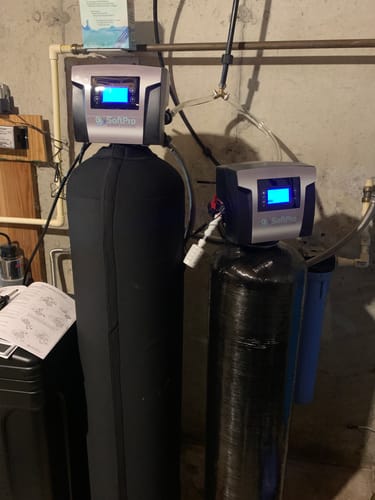
Everything worth catching during an exterior inspection falls into three categories: physical damage, corrosion, and mounting integrity. We've seen hairline cracks dismiss themselves as cosmetic until pressure cycling turns them catastrophic.
Hairline cracks don't announce themselves — they wait for pressure cycling to finish the job.
Run your hand across the tank's full surface — top, sides, seams, and base. Feel for ridges, bubbles, or soft spots that eyes miss.
Corrosion tells a story. Surface rust on steel components signals early-stage oxidation; pitting means it's progressed. Check valve fittings, clamps, and any exposed metal connections where moisture collects and hides.
Mounting integrity matters more than most people realize. A shifting tank strains inlet and outlet connections, creating micro-stress fractures over time. Verify that brackets are tight, the base is level, and nothing's vibrating loose during regeneration cycles.
Cracking, Crazing, and Brittleness Inside Your Iron Filter Tank
Once the exterior's been cleared, we move inward — and the inside of an iron filter tank tells its own set of stories. Grab a bright light and inspect thoroughly. You're hunting for cracking, crazing, and brittleness — three warning signs that the tank's structural integrity is quietly deteriorating.
Pay close attention to where the sidewall, dome, and bottom meet. These junction zones are where stress concentrates and failure typically begins. Don't overlook areas sitting above the waterline either. Material that's never submerged is especially vulnerable to oxidation-driven brittleness — and brittleness means potential failure.
If you're finding significant cracking or crazing during your annual inspection, don't patch and hope. Replace the tank. Catching it here prevents a much costlier, messier problem downstream.
Fittings, Connections, and Backwash Components: What to Check
Every fitting, connection, and backwash component on your iron filter tank is a potential leak point — and small leaks have a way of becoming expensive surprises. We recommend inspecting every threaded connection and union joint for mineral buildup, corrosion, or weeping moisture. Run your fingers along each joint during operation — you'll catch micro-leaks your eyes might miss.
For backwash components, check the control valve's seal and bypass valve for stiffness or cracking. A sluggish bypass valve often signals a failing seal.
Inspect distributor tubes inside the tank for fractures — a broken distributor kills backwash efficiency and
When Iron Filter Tank Damage Means Replacement, Not Repair
Some damage to an iron filter tank is repairable — but some damage isn't, and knowing the difference saves you from throwing money at a problem that only a replacement can fix. Hairline cracks, severe fiberglass delamination, or structural bulging signal that the tank's integrity is fundamentally compromised. No sealant or patch holds long-term against continuous water pressure and iron-laden conditions.
Similarly, if internal resin channels have collapsed or the tank walls have warped, you're fighting a losing battle. We've seen homeowners spend hundreds on repairs that fail within months. When inspection reveals these conditions, replacement isn't a defeat — it's the smart call. A new tank restores full filtration performance and eliminates the risk of sudden failure damaging surrounding plumbing or flooding your space.
Frequently Asked Questions
What Is a Tank Integrity Test?
A tank integrity test is a thorough inspection we perform to assess a tank's structural soundness, examining its interior, exterior, fittings, connections, and containment systems to verify it safely stores chemicals without risk of failure.
What Is the Checklist of Inspection?
For our annual iron filter tank inspection, we'll check for cracking, crazing, and brittleness inside and out, inspect seams and joints, verify fittings and gaskets, and confirm secondary containment's adequate.
How Often Do Tanks Need to Be Inspected?
We recommend you inspect your iron filter tank visually every year and schedule a thorough, exhaustive inspection every 3-5 years to verify compatibility, functionality, and secondary containment adequacy before problems compromise your system.
What Is a 653 Tank Inspection?
A 653 tank inspection follows IAPMO/ANSI 653 standards, ensuring your pressure vessel meets certified safety benchmarks. We're verifying structural integrity, resin condition, and valve performance—protecting both your system's efficiency and your household's water quality.


