


![SoftPro™ Chlorine+ Carbon Whole House Water Filter to Remove PFAS, Chlorine, Chloramine & Pesticides [City Water Filters Series]](http://softprowatersystems.com/cdn/shop/files/SoftPro_Whole_House_Carbon_Filter_with_Spin_Down_Water_Filter.webp?v=1783547361&width=140)


 855-683-8488


Iron Filter Tank Lifespan: How Long Does the Tank Last?

With proper maintenance, an iron filter tank can last 40 to 50 years—far outlasting the media inside, which needs replacing every 6 to 8 years. The tank's corrosion-resistant construction and robust design give it remarkable staying power. However, factors like high iron content, extreme temperatures, and skipped maintenance can shorten that lifespan considerably. Understanding what protects—and what destroys—your tank is the key to getting every possible year out of your investment.
Key Takeaways
- Iron filter tanks typically last 40 to 50 years with proper maintenance, far outlasting the filter media inside them.
- Many manufacturers offer lifetime warranties, reflecting strong confidence in the tank's long-term durability.
- High iron content, extreme temperatures, and poor installation can significantly shorten a tank's lifespan.
- Routine inspections, timely seal replacements, and correct backwashing help maximize the tank's operational life.
- Fiberglass or stainless steel tanks offer superior corrosion resistance, making them the best choice for longevity.
How Long Does an Iron Filter Tank Actually Last?

When it comes to iron filter tanks, you might be surprised to learn they can last an impressive 40 to 50 years with proper maintenance. That's a remarkable lifespan compared to most water treatment components, and it's one of the strongest value propositions these systems offer.
The tank itself is built to endure, but its longevity hinges on two critical factors: consistent water quality monitoring and timely filter changes. Neglect either, and you're accelerating wear that could cut that lifespan dramatically short.
Here's something worth knowing — many manufacturers back their tanks with lifetime warranties for original homeowners. That kind of coverage signals real confidence in the product's durability. Treat your system well, and it'll deliver decades of reliable performance.
Why the Tank Outlasts the Media by Decades
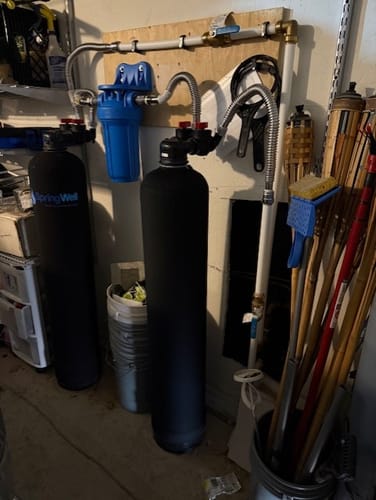
Most homeowners are surprised to discover that the tank itself can last 40 to 50 years, while the filter media inside it needs replacing every 6 to 8 years.
The reason comes down to engineering and materials.
Corrosion-resistant construction withstands decades of constant water exposure without degrading. Robust design handles continuous pressure cycles that would compromise lesser materials. Regular backwashing prevents buildup that could otherwise stress the tank's interior. Routine inspections catch minor issues before they compromise structural integrity.
This distinction matters practically: when the media depletes, you're simply recharging the system, not replacing it. That reusability dramatically reduces long-term costs, making an iron filter one of the smartest whole-home water treatment investments you'll make.
What Shortens Your Iron Filter Tank's Lifespan?
Even a tank built to last half a century can wear out early if a few key threats go unchecked. High iron and mineral content gradually corrode the tank's interior, while extreme temperatures or harsh chemical treatments weaken its structural integrity over time.
Installation mistakes and skipped maintenance accelerate deterioration faster than most owners realize. Excessive backwashing cycles and pressure fluctuations stress the tank repeatedly, compounding wear with every cycle. Neglecting worn o-rings and seals lets leaks develop quietly until they compromise the entire system.
Here's what separates long-lasting tanks from premature failures—awareness and consistency. Most of these threats are entirely preventable with proper installation, routine inspections, and timely component replacements. Understanding what shortens your tank's lifespan is the first step toward protecting your investment.
Physical Warning Signs the Tank Itself Is Failing
The tank doesn't stay silent when it's struggling—it shows you. Catching these signs early means the difference between a planned replacement and an emergency.
Watch for:
- Visible rust, pitting, or cracks on the tank's exterior—structural failure is already in progress
- Leaks at connections or seams—once tank integrity breaks down, it won't self-correct
- Banging or groaning noises—your tank is warning you before it gives out completely
- Stains or mineral buildup on the outside—internal deterioration is telegraphing itself outward
We also track backwash performance closely. A dramatic pressure drop during backwash cycles signals the tank's internal structure is degrading—long before visible damage appears.
How to Get 40+ Years From Your Iron Filter Tank
Getting 40 to 50 years out of an iron filter tank isn't luck—it's a direct result of the choices you make upfront and the habits you build over time. Start with the right materials: fiberglass or stainless steel tanks resist corrosion far better than cheaper alternatives. Install the tank correctly—secure anchoring and physical protection matter more than most people realize.
From there, it's about consistency. Inspect the tank routinely, address leaks immediately, and never let small issues compound. Keep the tank away from direct sunlight and freezing temperatures, since thermal stress quietly degrades structural integrity over time.
The media inside will need replacing every 6 to 8 years. The tank itself? With disciplined maintenance, it should outlast nearly everything else in your home.
Frequently Asked Questions
How Often Should an Iron Filter Be Replaced?
We rarely need to replace the entire iron filter tank — it lasts 40-50 years! However, we should replace the filter media every 6-8 years and service the control valve every 10-15 years.
What Are Common Problems With Iron Filters?
Common problems we see with iron filters include clogged media from high iron concentrations, reduced water pressure, damaged components from low pH or sulfur, and filter media losing effectiveness without proper backwashing or timely replacement.
How Often Should I Replace a Water Softener Resin Tank?
We'd recommend replacing your water softener resin tank every 10-15 years, but don't wait that long to replace the resin bed itself—it'll need rejuvenating every 6-8 years to maintain peak performance.
How to Tell if an Iron Filter Is Working?
We'll know our iron filter's working when rusty stains disappear, water smells fresh, pressure stays strong, and quarterly testing confirms low iron levels. Frequent maintenance needs signal it's failing.


