


![SoftPro™ Chlorine+ Carbon Whole House Water Filter to Remove PFAS, Chlorine, Chloramine & Pesticides [City Water Filters Series]](http://softprowatersystems.com/cdn/shop/files/SoftPro_Whole_House_Carbon_Filter_with_Spin_Down_Water_Filter.webp?v=1783547361&width=140)


 855-683-8488


Iron Filter Tank Liner Degradation: Signs and Implications

When an iron filter tank liner starts breaking down, you'll notice visible cracks, brittleness, discoloration, and pinholes forming across the surface. These aren't just cosmetic issues — they signal serious structural failure. Iron-rich water accelerates degradation, embedding oxidized particles into the liner while low pH compounds the damage. Left unchecked, a compromised liner contaminates your resin bed, spikes salt consumption, and ruins water quality. Stick with us to uncover everything you need to protect your system.
Key Takeaways
- Visible signs of liner degradation include cracks, brittleness, discoloration, pinholes, and surface abrasions wearing through the protective barrier.
- Iron-rich water and low pH levels accelerate liner breakdown by embedding oxidized particles and increasing iron solubility.
- A degraded liner allows iron bypass, causing resin fouling, reduced exchange capacity, and increased salt consumption during regeneration.
- Liners showing cracks, persistent leaks, or discoloration require full replacement, especially if older than six to eight years.
- Preventing degradation requires selecting compatible liner materials, proper installation, regular monitoring, and a consistent maintenance and cleaning routine.
What Does Iron Filter Tank Liner Degradation Actually Look Like?

When an iron filter tank liner starts breaking down, it doesn't always announce itself dramatically — but the warning signs are there if you know what to look for. We're talking about visible cracks, brittleness, and discoloration that signal the material is losing its integrity. You might spot pinholes forming, surface abrasions wearing through the protective barrier, or sections that look faded and structurally weak.
These aren't cosmetic issues — they're early indicators of serious trouble ahead. A compromised liner exposes your tank to iron-rich water intrusion, accelerating internal damage. Add prolonged UV exposure and temperature swings to the mix, and deterioration compounds quickly. Recognizing these signs early is what separates a simple fix from a costly full replacement.
How Iron Quietly Destroys Your Filter Liner Over Time
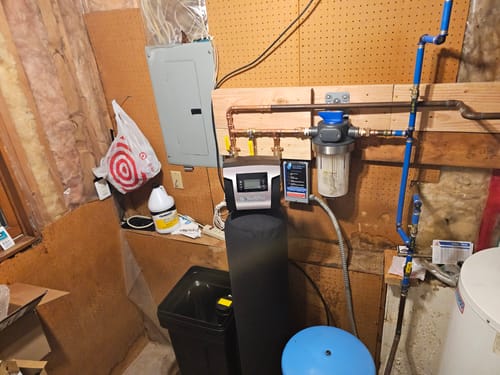
Spotting the physical signs of liner breakdown is one thing — understanding what's actually driving that damage is another. Iron doesn't destroy liners dramatically; it works silently through three compounding mechanisms.
| Factor | Mechanism | Result |
|---|---|---|
| Iron-rich water exposure | Degrades liner material structurally | Compromised tank integrity |
| Oxidized iron particles | Embed into liner surface | Pressure drops, functional loss |
| pH below 6.8 | Increases iron solubility | Accelerated clogging and damage |
Insufficient backwashing lets iron particles accumulate unchecked, compounding each mechanism above. What starts as minor particle embedding eventually creates cascading pressure failures. We've seen systems where skipping routine maintenance turned a manageable liner issue into complete system failure. Understanding these drivers puts you ahead of the damage before it becomes irreversible.
What a Degraded Liner Does to Your Resin Bed and Water Quality
A degraded liner doesn't just damage itself — it sets off a chain reaction that reaches straight into your resin bed. Once that barrier fails, everything downstream suffers.
Here's what we're dealing with:
- Iron bypass — contaminants skip the resin bed entirely, staining fixtures fast
- Resin fouling — iron particulates embed into resin beads, gutting exchange capacity
- Salt overconsumption — compromised resin demands more frequent, heavier regeneration cycles
- Flow restriction — iron buildup congests the bed, dropping pressure and flow rates
- Accelerated failure — run times shorten progressively until the system collapses completely
Each effect compounds the next. What starts as liner wear quietly dismantles your system's core function — leaving you with poor water quality, rising operating costs, and a resin bed that's working against you.
When to Repair vs. Replace a Degraded Iron Filter Liner
Once that chain reaction starts, the next call we have to make is whether to repair the liner or replace it entirely — and getting it wrong costs us more in the long run.
Minor wrinkles may tolerate patching, but visible cracks, discoloration, or persistent leaks signal full replacement. Liners older than 6-8 years rarely justify repair costs.
| Condition | Recommended Action |
|---|---|
| Minor wrinkles or distortion | Repair |
| Visible cracks or holes | Replace |
| Discoloration or contamination risk | Replace |
| Frequent leaks or water loss | Replace |
Delaying replacement on a failing liner doesn't just cost us efficiency — it risks resin bed contamination and broader tank damage. When the evidence points to replacement, acting decisively protects both water quality and long-term system integrity.
How to Stop Iron Filter Tank Liner Degradation Before It Starts
Preventing liner degradation starts long before the first signs of wear appear — and that's exactly where we've the most control. A proactive approach consistently outperforms reactive repairs.
- Select the right liner material for your tank's specific chemistry and operating conditions
- Prepare the tank surface thoroughly before installation to guarantee a proper seal
- Use trained technicians to unfold and position the liner without stress points or gaps
- Monitor regularly for early indicators of wear, chemical attack, or mechanical stress
- Establish a maintenance routine that includes periodic cleaning and prompt minor repairs
Each step compounds over time. When we treat prevention as a system rather than a checklist, we dramatically extend liner service life.
Frequently Asked Questions
How Long Does a Tank Liner Last?
Tank liners typically last 5 to 20 years, but that range depends on you. We're talking material quality, installation precision, maintenance habits, and what chemicals your liner's exposed to daily.
What Is the Life Expectancy of an Iron Filter?
Iron filters typically last 10-15 years with proper maintenance. We'll extend that lifespan by monitoring water chemistry, scheduling regular inspections, and replacing the tank liner every 6-8 years before degradation compromises the system's performance.
How to Tell if an Iron Filter Is Working?
We can tell our iron filter's working when we notice clear, odorless water, no orange stains on fixtures or laundry, steady water pressure, and confirmed low iron levels through regular water testing.
How Often Should Iron Filter Media Be Changed?
We recommend replacing Katalox Light media every 6-8 years, but don't wait blindly—watch for iron breakthrough, pressure drops, or visual media degradation. Regular water testing tells you exactly when it's time.


