


![SoftPro™ Chlorine+ Carbon Whole House Water Filter to Remove PFAS, Chlorine, Chloramine & Pesticides [City Water Filters Series]](http://softprowatersystems.com/cdn/shop/files/SoftPro_Whole_House_Carbon_Filter_with_Spin_Down_Water_Filter.webp?v=1783547361&width=140)


 855-683-8488


Iron Filter Valve Bypass Failure: How to Identify and Fix It

A failing iron filter bypass valve lets untreated water sneak past your filtration system, carrying iron, sulfur, and contaminants straight to your taps. Watch for rust stains, metallic tastes, pressure drops, or stiff bypass knobs — these are your early warnings. You can often fix the problem by replacing worn seals or O-rings, or swapping out the valve entirely. Stick with us and we'll walk you through everything you need to identify, diagnose, and repair the issue.
Key Takeaways
- A faulty bypass valve lets untreated water skip filtration, causing rust stains, metallic tastes, and accelerated wear on system components.
- Key warning signs include leaking around the valve, rusty water, reduced pressure, stiff knobs, and constant water bypassing.
- Diagnose failure by checking if the handle turns, listening for constant bypass flow, and noting pressure drops during operation.
- Repair involves replacing worn seals and O-rings, inspecting for cracks, and installing a new valve following manufacturer specifications.
- Prevent future failures by inspecting the bypass valve every 2-3 years, cleaning components with vinegar, and testing operation after servicing.
How a Failing Iron Filter Bypass Valve Destroys System Performance

When a bypass valve starts failing on your iron filter, it doesn't just cause minor inconveniences — it quietly dismantles your entire water treatment system from the inside out. Untreated water slips past the filtration media, carrying iron, sulfur, and contaminants straight into your home. You'll notice rust stains, metallic tastes, and declining water quality — all signs the valve isn't sealing properly.
Improper valve positioning compounds the problem by preventing the filter from engaging during normal operation entirely. Meanwhile, mineral buildup obstructs internal sealing surfaces, accelerating wear on critical components. Left unaddressed, this cascade of failures eventually produces complete valve breakdown.
Understanding exactly how this failure unfolds helps us catch it early — before it compromises every stage of your water treatment investment.
Warning Signs Your Iron Filter Bypass Valve Is Failing
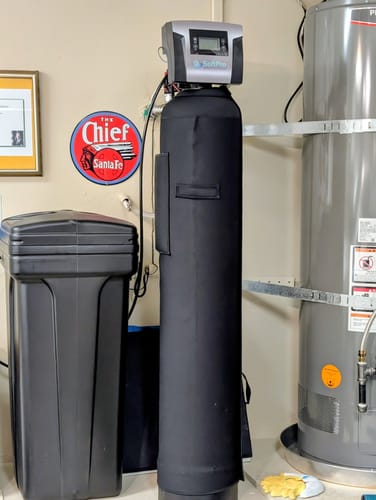
Catching a failing bypass valve early saves us from the frustrating cascade of water quality problems we covered above. These warning signs tell us exactly when something's wrong before it becomes a full system failure.
Watch for these three critical red flags:
- Leaks around the bypass valve — worn seals or O-rings are failing and need immediate replacement.
- Rusty water when bypass is engaged — unfiltered media is slipping through, contaminating your supply.
- Reduced pressure with the bypass open — a blockage inside the valve is restricting flow.
Beyond these, stiff bypass knobs signal mechanical breakdown, while frequent bypass use suggests your system's undersized or failing entirely. Each symptom tells a story — and we shouldn't ignore what it's saying.
How to Diagnose a Stuck or Leaking Iron Filter Bypass Valve
Once we've spotted those warning signs, the next step is getting our hands on the valve and figuring out exactly what we're dealing with — a stuck valve, a leak, or both.
Start by manually rotating the bypass handle. Resistance or zero movement confirms a stuck valve. Visible moisture around the valve body signals a seal failure.
| Symptom | Likely Cause |
|---|---|
| Handle won't turn | Mineral buildup or corrosion |
| Water bypassing constantly | Worn internal seal |
| Dripping at valve body | Cracked housing or O-ring failure |
| Pressure drop during bypass | Partial blockage inside valve |
Document what you find before touching anything further. Knowing whether we're fighting corrosion, seal degradation, or structural damage determines our entire repair strategy — and saves us from buying the wrong parts.
Fix or Replace a Faulty Iron Filter Bypass Valve
Most faulty bypass valves fall into one of two camps: fixable with a seal replacement or a good cleaning, or too far gone and needing a full swap. Either way, catching it early saves you money and headaches.
Clean or reseal first — If the valve moves but leaks, replacing worn seals often restores full function without replacing the entire unit.
Inspect for cracks or deterioration — Visible damage means replacement; patching a cracked valve body never holds long-term.
Follow manufacturer specs on the new valve — Improper alignment causes bypassed water, undoing everything your iron filter's supposed to accomplish.
Replacing just the valve beats replacing the whole system every time. Act before staining tells you it's already too late.
How Often to Service Your Iron Filter Bypass Valve
Fixing a faulty bypass valve is only half the battle — keeping it in good shape over time is where most people drop the ball. We recommend servicing your bypass valve every 2-3 years before small problems become expensive ones.
During each service, we inspect for visible wear, mineral buildup, and compromised seals. If the O-rings show any deterioration, we replace them immediately — they're cheap insurance against bigger failures.
We also clean all components with a vinegar solution to dissolve stubborn mineral deposits that quietly restrict performance.
Once everything's back together, we always test the valve operation to confirm it's sealing properly. Skipping that final check is how people miss problems they just created. Consistent maintenance keeps the valve performing exactly as it should.
Frequently Asked Questions
What Are the Signs of a Bad Bypass Valve?
We've seen leaks, inconsistent pressure, discolored water, and valves that won't fully open or close signal a bad bypass valve. If you're constantly adjusting settings, that's your system screaming for a deeper fix.
How Do I Know if My Iron Filter Is Working?
We'll know our iron filter's working when water's clear, fixtures stay stain-free, there's no metallic taste, pressure stays consistent, and we're not calling technicians for frequent repairs.
What Are the Signs That an Oil Filter Bypass Valve Is Failing?
When your oil filter bypass valve's failing, you'll notice decreased oil pressure, increased engine wear, dirty oil despite recent changes, metal particles in oil, and unusual engine noises — all signs we can't afford to ignore.
How to Tell if a Water Softener Is Bypassed?
Check your softener's bypass valve position—if it's turned sideways or shows "bypass" markings aligned, it's bypassed. You'll also notice hard water signs: soap won't lather well, and scale builds on fixtures.


