


![SoftPro™ Chlorine+ Carbon Whole House Water Filter to Remove PFAS, Chlorine, Chloramine & Pesticides [City Water Filters Series]](http://softprowatersystems.com/cdn/shop/files/SoftPro_Whole_House_Carbon_Filter_with_Spin_Down_Water_Filter.webp?v=1783547361&width=140)


 855-683-8488


Iron in Drinking Water: When Levels Become a Health vs Taste Concern

Iron in drinking water becomes a taste concern well before it's a health risk. The EPA flags levels above 0.3 mg/L for aesthetic issues like metallic taste and rust stains, but healthy adults typically face minimal health risks up to 3.0 mg/L. Certain groups, including infants and those with liver conditions, need to be more cautious. Knowing exactly where your water falls on that spectrum makes all the difference.
Key Takeaways
- The EPA's secondary standard for iron is 0.3 mg/L, a threshold based on taste and aesthetics, not direct health risk.
- Iron levels up to 3.0 mg/L pose minimal health risk for healthy adults but cause noticeable metallic taste and staining.
- Between 3.0 and 10.0 mg/L, iron warrants caution, particularly with long-term exposure or vulnerable populations.
- Above 10.0 mg/L, iron can cause gastrointestinal effects, making it a genuine health concern rather than just aesthetic.
- Vulnerable groups, including infants, pregnant women, and those with hemochromatosis or liver disease, face health risks at lower iron levels.
What Is Iron and How Does It Get Into Your Water?

Iron is one of those minerals that's virtually everywhere in nature — and that includes your drinking water. It naturally seeps from the Earth's crust into groundwater sources like wells, but it also finds its way into municipal systems.
Here's what makes iron particularly interesting: it exists in two distinct forms. Ferrous iron dissolves completely, leaving water looking crystal clear, while ferric iron appears as visible rust-colored particles. Even treated municipal water isn't immune — water treatment facilities use oxidation and filtration to reduce iron levels, but trace amounts can still slip through.
Older plumbing systems add another layer of complexity, as corroding iron pipes actively leach iron directly into your tap water before it ever reaches your glass.
What Iron Levels Are Actually Dangerous to Your Health?
When it comes to iron in drinking water, not all levels carry the same risk — and understanding where the thresholds fall can help us make smarter decisions about our water. The EPA's secondary standard sits at 0.3 mg/L, which is purely aesthetic — think staining and metallic taste.
Up to 3.0 mg/L, it's mostly a nuisance with minimal health risk for healthy adults. Between 3.0 and 10.0 mg/L, caution is warranted, particularly with long-term exposure. Above 10.0 mg/L, gastrointestinal effects become a real concern.
Certain groups face greater vulnerability — those with hereditary hemochromatosis, infants, pregnant women, and people with liver disease should pay especially close attention, since their bodies process excess iron very differently than a healthy adult's would.
Warning Signs Your Water Has an Iron Problem
Knowing the danger thresholds is only half the battle — we also need to recognize when our water is actually crossing them. Reddish or brown stains on sinks, tubs, or toilets are classic red flags. A metallic taste or odor is another reliable signal worth taking seriously.
Notice cloudy or rusty water after it's been sitting? That's ferrous iron oxidizing right before your eyes. Clear water that still leaves stains after contact tells us dissolved iron is lurking invisibly. Perhaps the most alarming sign is orange or black slime around fixtures — that's iron-consuming bacteria colonizing our plumbing.
Each of these signs tells a distinct story, and together they give us a complete diagnostic picture of our water's iron problem.
How to Test Your Water for Iron Levels
Once we spot those warning signs, the next step is confirming exactly what we're dealing with — and there are two reliable paths to get there.
We can use at-home test kits for a quick snapshot, or send samples to an accredited laboratory for precise measurements. Minnesota specifically recommends accredited labs because they deliver exact iron concentrations — not estimates.
Here's what lab testing tells us that guesswork never can:
- The exact mg/L concentration present in our water
- Whether levels exceed the 0.3 mg/L objectionable threshold
- How far we sit below the 10 mg/L typical ceiling
- Which treatment solution actually matches our specific situation
Knowing our numbers transforms us from reactive to strategic — and that's where real control begins.
How to Remove Iron From Drinking Water
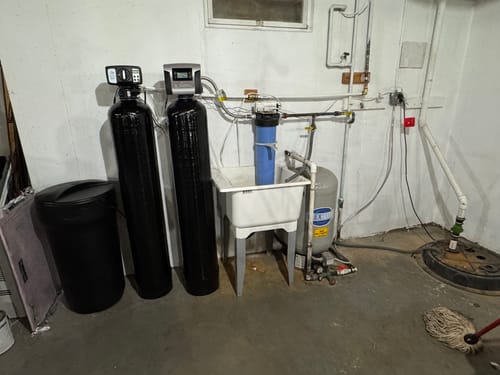
Now that we're aware of what we're dealing with, we can zero in on the right fix. For clear-water iron, water softeners and iron filters are your go-to solutions. Dealing with red-water iron? Chemical oxidation paired with filtration tackles that ferrous iron effectively.
If you want targeted protection, point-of-use systems like oxidizing filters or reverse osmosis remove iron directly at the tap. When selecting any treatment system, look for NSF/ANSI 42 and 44 certifications—that's your assurance the system actually performs as promised.
Don't overlook iron bacteria, either. Left unchecked, they'll compound your iron problems extensively. Preventing and treating bacterial growth is a crucial layer of any extensive iron management strategy. Address all three fronts, and you'll significantly improve your water quality.
Frequently Asked Questions
Is Too Much Iron in Your Water Bad for Your Health?
For most of us, it's not a health risk—it's mostly a nuisance. But if levels exceed 10 mg/L, or you have hemochromatosis or liver disease, excessive iron intake can become genuinely harmful.
What Can Falsely Elevate Iron Levels?
Several factors can falsely elevate iron levels in your water tests, including rusty pipes, improper sample collection, contaminated testing equipment, or letting water sit stagnant before sampling. We'd recommend flushing your pipes before testing for accurate results.
How to Tell if You Have Too Much Iron in Your Water?
We'll spot excess iron through yellow or reddish-brown stains on fixtures, a metallic taste, orange or black slime buildup, or rusty-looking water. Lab testing confirms exact concentrations for certainty.
What Are Safe Levels of Iron in Drinking Water?
We consider iron levels below 0.3 mg/L safe, but issues can begin at just 0.05 mg/L. Staying well under that lower threshold helps us avoid gradual staining and iron bacteria growth.


