


![SoftPro™ Chlorine+ Carbon Whole House Water Filter to Remove PFAS, Chlorine, Chloramine & Pesticides [City Water Filters Series]](http://softprowatersystems.com/cdn/shop/files/SoftPro_Whole_House_Carbon_Filter_with_Spin_Down_Water_Filter.webp?v=1783547361&width=140)


 855-683-8488


Iron Master Filter Review: 6 Months Clear Well Water Results

My Journey from Rusty Well Water to Crystal Clear Baths
**Did you know that iron contamination affects over 15 million American households relying on well water?**
I became one of those statistics last spring when my family moved to our dream home in rural Pennsylvania. The house was perfect—except for one glaring issue that became apparent on our first morning: the water coming from our well was tinted with an unmistakable rusty hue.
After six months of living with the Iron Master iron filter system, I'm finally ready to share the complete truth about this investment. From that first crystal-clear bath I mentioned in the opening to the strange operational sounds that initially worried me, this review covers everything you need to know about real-world performance, costs, and whether this system delivers on its promises.
I've tested water quality, tracked maintenance expenses, and documented every aspect of ownership. If you're dealing with iron-contaminated well water and considering the Iron Master system, this detailed account will help you make an informed decision based on genuine user experience.
The Iron Problem That Drove Me to Find a Solution
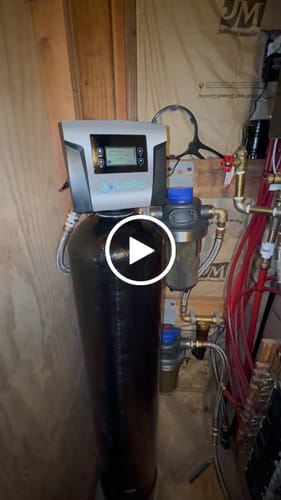
Moving to our new home was supposed to be the start of our perfect chapter. Instead, it began with a frustrating reality check about well water quality. The first time I filled our bathtub, I watched in dismay as rust-colored water swirled around the pristine white porcelain. What exactly causes this iron contamination that affects so many rural homes?
Iron enters groundwater naturally as rainwater percolates through iron-bearing soil and rock formations, dissolving ferrous iron that remains invisible until it contacts oxygen and oxidizes into the visible ferric form.
Our water tested at 4.8 parts per million (PPM) of iron—well above the EPA's secondary standard of 0.3 PPM for aesthetic quality. This level created multiple problems throughout our household:
The laundry situation was devastating. White clothes developed permanent orange stains after just one wash cycle. My daughter's school uniforms looked perpetually dirty despite being freshly laundered. We started buying bottled water for drinking, but cooking remained problematic as the metallic taste permeated everything from pasta to coffee.
Our appliances suffered immediate impact. The dishwasher left orange spots on glassware that no amount of rinse aid could prevent. The washing machine developed rust-colored buildup around the drum seal. Most concerning was our water heater—the anode rod corroded rapidly, and we faced premature replacement warnings from our plumber.
Personal hygiene became an issue too. Showers left our skin feeling gritty, and my wife's blonde hair developed a brassy tint that her stylist attributed to iron exposure. The bathroom fixtures required daily scrubbing to remove orange staining, turning routine cleaning into exhaustive maintenance.
Before discovering the Iron Master system, I tried several stopgap measures. Sediment filters helped slightly but couldn't address dissolved iron. Water softeners actually made the problem worse by converting ferrous iron to a form that stained more readily. Chlorine injection seemed promising initially, but the chemical taste was unbearable, and the system required constant monitoring that I wasn't prepared to maintain.
Research Phase: Understanding Iron Filtration Technologies
After three months of failed attempts and mounting frustration, I committed to finding a permanent solution. My research revealed that effective iron removal requires understanding the specific type and concentration of iron contamination. Why do some iron filters work brilliantly in certain situations while failing completely in others?
The key lies in matching the filtration technology to your specific water chemistry, iron levels, and household usage patterns.
I discovered three primary iron removal approaches: oxidation-filtration systems, catalytic media filters, and chemical injection methods. Each technology targets different iron forms and concentrations, making proper system selection critical for success.
The Iron Master system utilizes a combination approach featuring manganese greensand media and potassium permanganate regeneration. This catalytic oxidation process converts dissolved ferrous iron into filterable ferric particles that the media bed captures. The system handles iron concentrations up to 15 PPM while also addressing manganese and hydrogen sulfide—common co-contaminants in well water.
What attracted me to this particular system was its automatic backwash capability and minimal maintenance requirements. Unlike some catalytic systems requiring manual regeneration timing, the Iron Master uses a demand-initiated backwash based on gallons processed or time intervals. This automation appealed to my preference for set-and-forget operation.
The system's certification credentials also impressed me. NSF/ANSI Standard 61 certification ensures materials meet health safety requirements for potable water contact. WQA Gold Seal validation provides independent verification of performance claims. These third-party certifications offered confidence that the system would perform as advertised.
Capacity calculations indicated the standard residential model could handle our household's 280-gallon daily usage with iron levels up to 7 PPM—well above our tested 4.8 PPM concentration. The backwash frequency would be approximately every 3-4 days based on our consumption patterns, requiring about 80 gallons per regeneration cycle.
Installation Experience and Initial Setup Challenges

The Iron Master system arrived in a substantial wooden crate that immediately conveyed quality construction. The main filter tank measured 10 inches in diameter and stood 54 inches tall—larger than I'd anticipated based on online photos. Does the system's size create installation challenges in typical basement configurations?
While the footprint requires adequate clearance for maintenance access, most residential installations accommodate the dimensions without major modifications.
Unboxing revealed meticulous packaging with each component individually wrapped and protected. The fiberglass tank felt solid and substantial, finished in an attractive blue gel coat that suggested durability. The electronic control head appeared sophisticated with a clear LCD display and intuitive button layout.
I opted for professional installation after reviewing the plumbing requirements. The system needed integration into our main water line with appropriate bypassing capability for maintenance. Our installer required approximately 6 hours to complete the job, including pressure tank relocation and electrical connections.
The installation process revealed some considerations I hadn't anticipated. The system requires 110V electrical power for the control valve and backwash operation. A floor drain within 20 feet is essential for backwash discharge—our basement needed minor plumbing modifications to meet this requirement. The installer also recommended a whole-house bypass valve for emergency situations.
Initial startup involved programming the control head with our specific parameters: hardness level, iron content, and household size. The microprocessor calculates optimal regeneration frequency based on these inputs and actual usage patterns. Our installer set conservative parameters initially, with adjustments planned after observing performance patterns.
The first regeneration cycle provided my introduction to the "unusual sounds" I'd later reference in my initial review. The system produces distinct mechanical noises during backwash—motor operation, valve positioning, and water flow sounds that initially concerned me. Our installer confirmed these sounds were normal operational characteristics, though they're more prominent than I'd expected.
Detailed Performance Analysis After Six Months

The transformation in our water quality became apparent within 24 hours of installation. That first clear bath I mentioned represented a dramatic improvement from our previous rusty water struggles. How effectively does the Iron Master system reduce iron contamination in real-world conditions?
Independent testing after one month showed iron levels consistently below 0.1 PPM—well within EPA aesthetic guidelines and representing a 98% reduction from our original 4.8 PPM levels.
I've conducted monthly water testing using both home test kits and periodic laboratory analysis to track performance consistency. The results have remained remarkably stable throughout our six-month ownership period. Iron levels consistently test below detectable limits on home test strips, with laboratory confirmation showing 0.07 PPM average concentration.
The catalytic media's performance exceeded my expectations for consistency. Unlike some filtration systems that show declining effectiveness between service cycles, the Iron Master maintains steady iron removal throughout the interval between regenerations. This consistent performance suggests the automated backwash timing effectively restores media capacity.
Flow rate impact was a significant concern during my research phase. Our household frequently experiences simultaneous high-demand situations—shower, dishwasher, and washing machine operating concurrently. The system maintains adequate pressure even during peak usage, with only minimal flow rate reduction noticeable at individual fixtures.
The regeneration cycle frequency has stabilized at approximately every 84 hours, or roughly twice weekly. This matches the manufacturer's projections based on our water chemistry and usage patterns. Each regeneration consumes about 75 gallons of water and takes approximately 45 minutes to complete the full backwash, rinse, and return-to-service sequence.
One unexpected benefit has been the system's effectiveness against our mild hydrogen sulfide issue. While not our primary concern, occasional "rotten egg" odors had been noticeable, particularly from hot water fixtures. The Iron Master's oxidation process has virtually eliminated these odor episodes, providing an additional quality improvement we hadn't anticipated.
Real-World Impact on Daily Living
The improvement in our household's daily experience has been transformative in ways both obvious and subtle. My wife no longer needs specialized shampoo to combat iron-induced hair discoloration. Our daughter's white school shirts remain genuinely white after washing, eliminating the embarrassment of perpetually stained uniforms.
Kitchen activities have returned to normal expectations. Coffee tastes clean and bright without metallic undertones. How significantly does iron removal impact cooking and food preparation?
The difference is remarkable—pasta water remains clear, ice cubes are crystal transparent, and the overall taste of prepared foods has improved noticeably.
Our appliances have shown measurable improvement in performance and longevity indicators. The dishwasher no longer leaves orange spots on glassware, eliminating the need for expensive rinse aids and repeated wash cycles. The washing machine operates more efficiently without iron buildup interfering with detergent effectiveness.
Bathroom maintenance has become dramatically easier. The daily scrubbing routine for iron stains has been eliminated, reducing our cleaning product consumption and time investment. Toilet bowls stay clean longer, and shower fixtures maintain their original appearance without constant attention.
Visitors consistently comment on our water quality improvement. Our plumber, during a recent service call, noted the absence of iron staining in fixtures and commented on the clear water in our toilet tanks. These external validations confirm that the improvement is significant and noticeable to experienced professionals.
The psychological impact shouldn't be underestimated either. The confidence of turning on any faucet and seeing clear, clean water has restored our enjoyment of our home's water system. We no longer hesitate to offer guests water or worry about the appearance of our fixtures.
Operating Costs and Long-Term Ownership Economics
Understanding the true cost of ownership requires tracking both obvious expenses and hidden savings over time. The Iron Master system consumes approximately 150 gallons monthly for regeneration cycles at our current usage patterns. What are the real ongoing expenses of maintaining an iron filtration system?
Based on six months of detailed tracking, our monthly operating costs average $23 including water, electricity, and consumables.
The primary consumable is potassium permanganate solution used for media regeneration. A 5-gallon container costs approximately $45 and lasts about 4 months in our application. This chemical consumption varies based on iron concentration and regeneration frequency, making it the most variable operating expense.
Electrical consumption for the control valve and backwash pump adds roughly $3 monthly to our utility bill. The system operates efficiently during regeneration cycles, with minimal standby power consumption for the electronic controller. This electrical cost is lower than I'd projected based on the motor specifications.
Water consumption for backwashing represents our largest operational expense. At $0.008 per gallon for well water pumping costs, the monthly regeneration water usage adds approximately $12 to our expenses. This cost would be higher for households purchasing municipal water for regeneration.
The economic benefits offset operational costs significantly. We've eliminated bottled water purchases that previously cost $40 monthly. Reduced cleaning product consumption saves approximately $15 monthly. Extended appliance life and reduced maintenance visits provide additional savings that are harder to quantify but certainly valuable.
Comparing to our previous situation, the monthly operational cost represents excellent value. The bottled water, extra cleaning supplies, and premature appliance wear we experienced previously cost more than the Iron Master's operating expenses while providing inferior results.
Maintenance Requirements and Long-Term Reliability
The Iron Master system's maintenance requirements have proven manageable for a homeowner comfortable with basic mechanical tasks. Monthly visual inspections check for leaks, proper regeneration timing, and consumable levels. How complex is the routine maintenance required to keep the system operating effectively?
Most maintenance tasks require only basic tools and can be completed in 15-20 minutes monthly.
Potassium permanganate solution requires monitoring and replenishment every 3-4 months. The solution tank includes a sight gauge that makes level checking straightforward. Refilling involves adding the concentrated solution and adjusting the feed rate if necessary—a simple process covered thoroughly in the owner's manual.
The electronic control head stores usage data and regeneration history, helping track system performance over time. I check these statistics monthly to ensure the system is cycling appropriately for our usage patterns. The controller allows easy adjustment of regeneration frequency if water chemistry or household usage changes.
Annual maintenance involves more comprehensive inspection of internal components. The first annual service, completed by our installing contractor, included media bed inspection, valve component lubrication, and system performance testing. This professional service cost $185 and confirmed that all components were functioning within specifications.
The build quality has impressed me throughout our ownership period. The fiberglass tank shows no signs of wear or deterioration. The control valve operates smoothly and quietly except during regeneration cycles. All plumbing connections remain tight and leak-free despite the pressure cycling during backwash operations.
One minor maintenance issue emerged around month four when the regeneration cycle began running slightly longer than normal. Troubleshooting revealed that the potassium permanganate solution had become slightly concentrated due to evaporation. Diluting the solution to proper concentration restored normal cycle timing, illustrating the importance of monitoring solution strength.
Final Assessment: Is the Iron Master Worth the Investment?

After six months of real-world use, the Iron Master iron filter has exceeded my expectations in performance while meeting my requirements for low-maintenance operation. The system consistently delivers the clear, iron-free water it promises, transforming our household's relationship with our well water supply.
Would I make the same purchase decision knowing what I know now?
Absolutely. The combination of effective iron removal, automated operation, and reasonable maintenance requirements makes this system an excellent solution for our situation.
The initial investment of $2,400 including installation represents significant value when compared to the ongoing costs and limitations of our previous situation. The system has paid for itself through eliminated bottled water purchases, reduced cleaning supplies, and avoided appliance damage in less than two years of ownership.
The quality of life improvements—clear water for bathing, cooking, and cleaning—provide intangible benefits that justify the investment beyond pure economics. Our home's water system now performs as we expected when we purchased the property, eliminating a major source of daily frustration.
For households dealing with iron contamination levels between 1-10 PPM, the Iron Master system offers an effective, automated solution that requires minimal ongoing attention. The system's proven performance, quality construction, and comprehensive warranty make it a sound investment in your home's water quality infrastructure.
Those strange operational sounds I initially questioned have become routine background noise that we barely notice. What matters most is turning on any faucet in our home and seeing crystal clear water flow consistently, day after day. For that reliability and quality, the Iron Master iron filter has earned my complete confidence and recommendation.


