


![SoftPro™ Chlorine+ Carbon Whole House Water Filter to Remove PFAS, Chlorine, Chloramine & Pesticides [City Water Filters Series]](http://softprowatersystems.com/cdn/shop/files/SoftPro_Whole_House_Carbon_Filter_with_Spin_Down_Water_Filter.webp?v=1783547361&width=140)


 855-683-8488


Iron Problem Severity Assessment: From Minor Staining to Major Contamination

Iron contamination on stainless steel ranges from surface-level rust stains you can wipe away to deep pitting that's nearly impossible to fully restore. Minor cases show up as orange-brown discoloration caused by airborne particles or contact with carbon steel. Moderate contamination may need acid treatments. Severe cases involve embedded iron that destroys the passive layer entirely. Knowing exactly where your problem falls on that spectrum determines whether you need a $5 cleaner or a costly professional remediation — and we'll show you how to tell the difference.
Key Takeaways
- Minor iron staining appears as surface rust spots, easily removed with oxalic acid cleaners like Bar Keepers Friend or white vinegar.
- Moderate contamination penetrates deeper, requiring controlled acid treatments like oxalic or dilute nitric acid solutions for effective removal.
- Severe contamination causes deep pitting in stainless steel, where acid treatments can no longer restore lost surface integrity.
- Key warning signs include rust-like stains, metallic taste in water, and persistent orange-brown staining on fixtures and plumbing.
- Once iron damage becomes severe, mechanical grinding is the only option, making prevention far more cost-effective than remediation.
What Causes Iron Contamination on Stainless Steel

Most iron contamination on stainless steel stems from contact with non-stainless steel equipment during processing and handling. When you're cutting, grinding, or fabricating nearby, tiny iron particles become airborne and settle onto stainless steel surfaces. That's when the trouble begins.
Here's what makes it worse: stainless steel depends on consistent oxygen exposure to maintain its protective passive layer. Once iron particles land on that surface, they disrupt that protection. Add moisture to the equation, and you've got active rust staining developing rapidly.
We've seen this happen in facilities that mix stainless and carbon steel operations without proper separation. The contamination isn't always visible immediately, but it's there, silently compromising the surface. Understanding these root causes helps us intervene before minor staining escalates into major structural concerns.
Signs Your Stainless Steel Has an Iron Problem
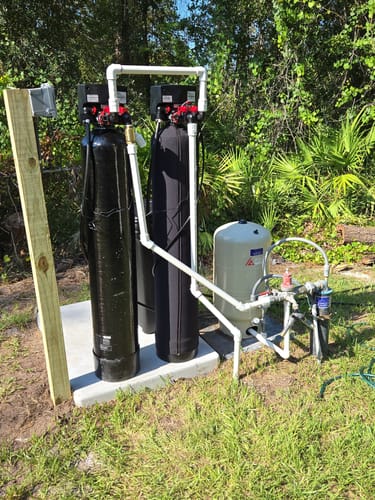
Spotting iron contamination early saves you from costly remediation later. We've seen how quickly small warning signs escalate into serious damage, so knowing what to look for matters.
Watch for rust-like stains appearing on your stainless steel surfaces—that's iron contamination making itself visible. If your water or cooked foods carry a metallic or blood-like taste, your iron problem has already reached your plumbing system.
Orange-brown stains on sinks, tubs, and fixtures confirm what your taste buds suspected. Check your toilets, tanks, and plumbing fixtures for persistent staining—iron buildup doesn't disappear on its own. Don't overlook outdoor surfaces either; orange staining on sidewalks and fences signals iron-laden water spreading beyond your home. Each sign tells you exactly how far contamination has progressed.
Minor Staining: Household Cleaners That Actually Remove It
When you catch iron staining early, everything about removing it gets easier—and cheaper. Minor surface stains respond beautifully to common household cleaners you likely already own.
Bar Keepers Friend is our first recommendation—its oxalic acid dissolves iron oxide without scratching stainless steel's passive layer. Mix it into a paste, apply it with the grain, and watch orange discoloration lift within minutes.
White vinegar works similarly for lighter stains. Its acetic acid breaks down iron deposits effectively, though it requires slightly longer dwell time.
Lemon juice plus baking soda creates a gentle effervescent scrub that tackles minor spotting without aggressive chemicals.
The key across all three methods: always rub with the grain, never against it. You'll preserve your steel's finish while eliminating every trace of early contamination.
When to Use Acid-Based Treatments on Stainless Steel
Household cleaners handle minor staining well, but they hit a wall once iron contamination works deeper into the surface—that's exactly where acid-based treatments earn their place.
Oxalic or dilute nitric acid solutions tackle moderate rust staining effectively. For deeply embedded contamination, nitric/hydrofluoric pickling preparations go further—though they risk etching and pitting if mishandled.
Here's what you need to keep in mind:
- Acid treatments remove contamination, but they won't reverse existing pits from prolonged exposure
- Controlled application matters—careless use spreads contamination and compounds surface damage
- Severe pitting may still require mechanical grinding to fully bottom-out compromised areas after acid treatment
Think of acid treatments as a powerful middle-ground solution—precise, effective, but demanding respect. Mastery here means knowing both their capability and their limits.
When Iron Damage Goes Too Deep to Fix
Sometimes, no matter how aggressively we treat iron contamination, the damage has already gone too far. When embedded iron triggers deep pitting, even nitric/hydrofluoric acid pickling can't restore what's been lost. The acid removes the contamination, but the surface craters remain.
At that stage, mechanical grinding becomes the only viable path forward—and even then, we're managing damage, not erasing it. Severely pitted surfaces may never fully recover their original integrity or appearance.
This is why we emphasize prevention so strongly. Remediation is expensive, time-consuming, and often incomplete. Once iron contamination etches deep enough into stainless steel, you're no longer choosing between good and better outcomes—you're choosing between costly repair and costly replacement. Understanding that reality changes how seriously we treat early intervention.
Frequently Asked Questions
What Is an Alarming Iron Level?
We'd consider anything above 15 mg/L truly alarming. At that point, you're looking at severe staining, accelerated pipe damage, and appliance destruction—problems that demand immediate, aggressive treatment to protect your entire water system.
How Do I Interpret the Results of an Iron Studies Panel?
We interpret iron studies by checking ferritin for stored iron, transferrin saturation for transport efficiency, and hemoglobin for anemia signs. Remember, inflammation skews results, so we'll always analyze the complete panel together.
What Is the Most Reliable Test for Assessing Iron Status?
We'll find serum ferritin to be our most reliable test — it's the gold standard for measuring total body iron stores, though combining it with transferrin saturation and soluble transferrin receptor gives us the most exhaustive picture.
What Labs Indicate Iron Overload?
We'll look for elevated serum ferritin, high transferrin saturation above 45%, increased serum iron, reduced unsaturated iron-binding capacity, and high liver iron concentration on MRI—these markers together tell iron overload's complete story.


