


![SoftPro™ Chlorine+ Carbon Whole House Water Filter to Remove PFAS, Chlorine, Chloramine & Pesticides [City Water Filters Series]](http://softprowatersystems.com/cdn/shop/files/SoftPro_Whole_House_Carbon_Filter_with_Spin_Down_Water_Filter.webp?v=1783547361&width=140)


 855-683-8488


Iron Water Test Kit Troubleshooting: When Results Look Wrong

Iron test kits give wrong results more often than you'd think, and it's usually something fixable. Improper line flushing introduces sediment, air exposure oxidizes dissolved iron before you even test it, and degraded reagents quietly skew every reading. Tannins, pH shifts, and iron bacteria can all interfere too. Once you understand what's distorting your results, accurate testing becomes much easier — and we'll walk you through exactly how to get there.
Key Takeaways
- Inadequate line flushing before sampling introduces sediment, artificially inflating iron readings beyond actual dissolved iron levels in your water.
- Air exposure during collection oxidizes dissolved ferrous iron, causing it to precipitate and produce misleadingly low dissolved iron readings.
- Color-comparison test kits are subjective and affected by tannins, hardness, and pH shifts, distorting results significantly.
- Degraded or expired reagents in test kits produce unreliable readings, making proper storage and expiration checks essential.
- Unusually high readings may signal plumbing corrosion, while suspiciously low readings could indicate dissolved iron forms strip tests cannot detect.
Why Iron Test Results Come Back Wrong

When an iron water test kit gives you a confusing or inconsistent reading, the problem usually isn't the water itself — it's the testing process. Several variables can throw off your results before you even analyze the sample.
DIY color-comparison kits are notoriously subjective, especially in poor lighting. Contamination during sampling can artificially spike iron readings. If your well contains iron bacteria, that rust-colored buildup interferes directly with test accuracy.
Water chemistry compounds the issue further — dissolved oxygen levels, pH imbalances, and the presence of tannins, manganese, or other metals can all skew what your kit detects.
Understanding these failure points helps you isolate the real culprit and get results you can actually trust. Let's walk through each one.
The Most Common Iron Testing Mistakes
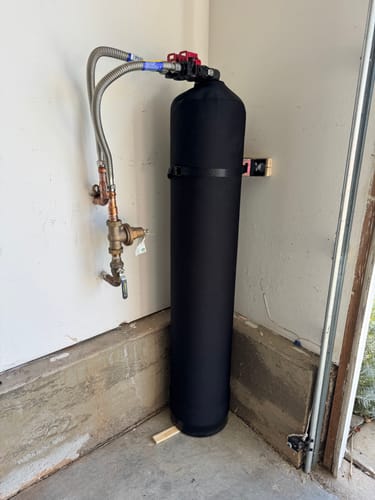
Most inaccurate iron readings trace back to simple, avoidable mistakes made before the test even begins. Skipping a proper line flush lets sediment contaminate your sample, throwing off results immediately. Exposing water to air before testing oxidizes dissolved iron, inflating your numbers before you've even added a reagent.
Timing and volume matter more than most people realize. Color-based tests are precise by design—rush the timing or misjudge the sample size, and you'll read a level that doesn't exist. Similarly, degraded reagents from heat or cold exposure quietly undermine accuracy without obvious warning signs.
Don't overlook water chemistry either. Tannins, hardness, and pH shifts all interfere with color development. Knowing these pitfalls puts you ahead of most testers before you even open the kit.
How Sample Collection Distorts Your Iron Readings
How you collect your sample shapes every reading that follows. Skip flushing the line properly, and sediment sneaks into your sample, inflating iron levels before testing even begins. Introduce air bubbles during collection, and dissolved iron oxidizes instantly, pushing results higher than reality.
Contaminated containers add their own iron residues, and unwashed hands or delayed testing compounds the oxidation problem further. Each misstep stacks on the last, pulling your results further from truth.
The opposite error matters too. Skip refrigeration during shipping, and iron precipitates out of solution, delivering readings that run artificially low. You're not measuring your water anymore—you're measuring your collection mistakes.
Master the collection process first, and you'll finally trust what your test kit tells you.
When Your Iron Test Results Are Worth Acting On
A number on a test strip only matters if you know what to do with it.
- Above 0.3 ppm — Expect staining and taste problems. Treatment isn't optional at this point.
- Above 3 ppm — Health concerns enter the picture. You'll need a properly sized filtration system.
- Above 10 ppm — This is a serious problem requiring thorough lab testing that checks pH, hardness, manganese, sulfur, and bacteria together.
Here's what most people miss: if your pH reads below 7.0, iron filters won't work effectively without an acid neutralizer running alongside them. DIY strips can mislead you at every threshold above. A certified lab test gives you the precision that real treatment decisions demand.
What Your Iron Numbers Actually Say About the Test
When an iron test throws back a number that seems off, it's worth digging into what that result is actually telling you—because the reading itself can reveal problems beyond iron. An abnormally high reading might point to plumbing corrosion rather than contaminated source water. A surprisingly low result could mean iron's present in dissolved form, which standard test strips simply aren't designed to catch.
Skewed numbers might also signal manganese or nitrates interfering with the reading. And if iron bacteria are active in your system, they'll transform iron into forms that distort results entirely. Strip-based tests compound all of this with inherent inaccuracy at low concentrations. Each anomaly is a clue—follow it toward certified lab testing for answers you can actually trust.
Frequently Asked Questions
What Is Considered High Iron in a Water Test?
We consider iron levels above 0.5 ppm high in a water test. Anything exceeding 0.3 ppm can cause staining and taste issues, while levels above 3 ppm may trigger health concerns requiring immediate treatment.
How Do I Know if My Iron Filter Is Working?
We'll know our iron filter's working by testing water before and after installation. If post-filter levels drop below 0.3 ppm and iron staining disappears, it's effectively reducing iron. Test regularly to confirm ongoing performance.
Is It Okay to Shower in High Iron Water?
Showering in high iron water is generally safe—it won't absorb through your skin. However, we'd recommend treating it anyway to avoid staining fixtures, discoloring clothes, and potentially irritating sensitive skin over time.
Is 3 Ppm Iron in Water Bad?
At 3 ppm, we're right at the threshold where iron becomes a health concern. While it's not immediately dangerous, it can cause gastrointestinal issues, and acidic water makes it even more problematic.


