


![SoftPro™ Chlorine+ Carbon Whole House Water Filter to Remove PFAS, Chlorine, Chloramine & Pesticides [City Water Filters Series]](http://softprowatersystems.com/cdn/shop/files/SoftPro_Whole_House_Carbon_Filter_with_Spin_Down_Water_Filter.webp?v=1783547361&width=140)


 855-683-8488


Iron Water Testing Every Year Vs Every 3 Years: What Experts Recommend

We recommend annual iron testing to track changes, but every 3 years isn't enough if your usage patterns or environment have shifted. Iron levels fluctuate due to drought, nearby construction, and aquifer changes. A 3-year-old test can't tell you whether you're dealing with ferrous iron, ferric iron, or iron bacteria—and each demands a completely different treatment approach. The details ahead will help you choose exactly what to test for and when.
Key Takeaways
- Annual iron testing tracks changes over time, but a full-panel lab test every 3–5 years provides a broader, more complete water quality picture.
- Before installing any treatment system, experts recommend retesting regardless of how recently your last test was conducted.
- Iron exists in three forms—ferrous, ferric, and bacterial—and identifying each one determines which treatment system you actually need.
- Environmental changes, shifts in usage, and aquifer conditions can alter iron levels significantly within months, making older test results unreliable.
- A comprehensive re-evaluation costing around $400 prevents costly mistakes from incorrectly sized or mismatched whole-house filtration systems.
Do You Really Need to Retest Iron Levels Before Installing a Treatment System?

Most homeowners assume that once they've tested their water for iron, that result is good forever — but that's rarely the case. Iron levels shift. Aquifers change seasonally, drought conditions concentrate minerals, and nearby construction can disturb groundwater chemistry entirely.
So yes, we strongly recommend retesting before installing any treatment system — even if you tested six months ago. Why? Because sizing a system incorrectly costs you twice: once at installation, once when it fails prematurely.
A fresh test tells you the exact iron form you're dealing with — ferrous, ferric, or bacterial — and that distinction drives every equipment decision. Without it, you're guessing. And in water treatment, guessing means spending real money on the wrong solution.
Why Your 3-Year-Old Well Test Results May No Longer Be Accurate
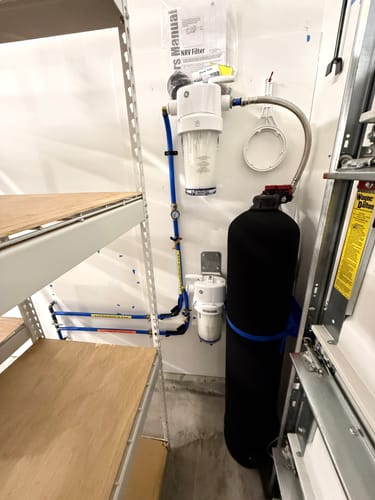
If your last well test was back in 2021, there's a real chance those results no longer reflect what's actually coming out of your taps today. Extended low usage, seasonal shifts, and changing groundwater conditions can all quietly alter your water's chemistry.
| What Changed | Why It Matters |
|---|---|
| 3.5 years of minimal usage | Stagnant water accelerates mineral buildup and bacterial growth |
| Environmental shifts since 2021 | New contaminants may have entered the aquifer |
| Shifting to full-time use | Higher demand stirs sediment and exposes new baseline conditions |
Installing a treatment system without current data is a gamble. A $400 comprehensive re-evaluation isn't just a formality — it's the difference between selecting the right system and an expensive miscalculation.
Annual Iron Test vs. Full-Panel Lab Test: What the Difference Means for Your Setup
Knowing your old results are unreliable is one thing — knowing what kind of test to run next is another. Annual iron testing tracks changes in iron levels over time, but it won't catch hard water, bacterial contamination, or other hidden issues that directly affect which treatment system you need.
A full-panel lab test — typically recommended every 3–5 years — covers that broader picture. If your property's usage has increased recently, that gap matters even more. Yes, an exhaustive test like the $400 option your water treatment company recommends costs more upfront. But installing the wrong system because you tested for too little? That's a much costlier mistake. Match the test scope to the decision you're actually making.
Which Iron Test Parameters Actually Drive Your Treatment System Choice
Three parameters drive nearly every iron treatment decision you'll make: ferrous iron (Fe2+), ferric iron (Fe3+), and iron bacteria. Each signals a different problem—and demands a different fix.
Ferrous iron stays invisible in fresh water but oxidizes quickly, meaning standard visual checks won't catch it.
Ferric iron produces rust staining and requires filtration rather than oxidation alone.
Iron bacteria clog plumbing progressively, demanding disinfection components most basic systems skip.
Combined contamination typically requires oxidation, filtration, and disinfection working together.
When your test quantifies all three, you're not guessing at solutions—you're matching treatment to chemistry. That precision is exactly what separates a system that works from one that merely runs.
How to Match Your Iron Test Results to the Right Whole-House Filter
Once you have your iron test results in hand, matching them to the right whole-house filter becomes far less overwhelming than it sounds. Your specific iron levels, combined with other water quality parameters, directly determine which treatment system actually works for your situation.
We recommend consulting your filter installer or manufacturer with your exact test data — they'll confirm whether a system handles your iron concentration and water chemistry together.
Here's where annual testing pays off: comparing current results against previous data reveals whether your existing filter is still performing or quietly failing you. A system matched perfectly two years ago may now be undertreating rising iron levels.
Skipping retests means risking wasted money, persistent staining, and clogged fixtures — problems that accurate, current data would have prevented.
Frequently Asked Questions
What Are the Acceptable Iron Levels in Water?
The EPA recommends keeping iron levels below 0.3 mg/L in drinking water. However, we should note that issues can begin at just 0.05 mg/L, including gradual staining, buildup, and iron bacteria growth.
How Frequently Should We Do Water Testing?
We should test our well water yearly for bacteria, E. coli, nitrates, and pH. Every 3-5 years, we'll want thorough testing for heavy metals and pesticides—more frequently if vulnerable household members are present.
How Often Do Iron Levels Fluctuate?
Iron levels can fluctuate substantially within a single year, varying by over 0.5 mg/L. We're seeing shifts driven by seasonal precipitation, temperature changes, pipe corrosion, and groundwater chemistry—making regular testing essential for accurate long-term tracking.
Is It Safe to Shower in High Iron Water?
Showering in high iron water won't harm us—iron doesn't absorb through our skin noticeably. However, we'll likely notice staining, metallic odors, and potential skin irritation over time, making filtration worth considering.


