


![SoftPro™ Chlorine+ Carbon Whole House Water Filter to Remove PFAS, Chlorine, Chloramine & Pesticides [City Water Filters Series]](http://softprowatersystems.com/cdn/shop/files/SoftPro_Whole_House_Carbon_Filter_with_Spin_Down_Water_Filter.webp?v=1783547361&width=140)


 855-683-8488


Iron Water Testing Frequency by Risk Level: Low, Medium, and High Iron Wells

Testing frequency for iron in well water should match your risk level. Low-risk wells with iron under 0.3 mg/L need annual testing. Medium-risk wells between 0.3–3 mg/L should test every six months. High-risk wells exceeding 3 mg/L require quarterly testing to catch rapid fluctuations early. Warning signs like staining, discoloration, or previous treatment history can push you into a higher category. Stick around — there's a lot more to uncover about protecting your well.
Key Takeaways
- Low-risk wells with iron under 0.3 mg/L require only annual testing, manageable with inexpensive at-home kits.
- Medium-risk wells with iron between 0.3–3 mg/L should be tested every six months to track unpredictable shifts.
- High-risk wells exceeding 3 mg/L require quarterly testing, with very high-risk wells over 10 mg/L needing the same frequency.
- Warning signs like iron staining, discoloration, or previous treatment history indicate a well likely falls into higher risk categories.
- Testing schedules should remain flexible, increasing frequency after repairs, seasonal changes, or noticeable taste and staining changes.
The Iron Testing Schedule Every Well Owner Should Follow

How often should you test your well water for iron? The answer depends on your current iron levels. If your well measures under 0.3 mg/L, you're in good shape—annual testing keeps you ahead of any gradual changes.
Test your well water annually if iron levels stay under 0.3 mg/L—it keeps you ahead of gradual changes.
Medium-range wells, between 0.3 and 3 mg/L, need testing every six months since levels can shift more unpredictably. High iron wells exceeding 3 mg/L require quarterly testing to confirm your treatment system's performing correctly.
Beyond scheduled intervals, we also recommend testing after any repairs, cleaning, or significant disturbances to your well. These events can temporarily spike iron concentrations you'd otherwise miss.
Consistent testing isn't just maintenance—it's strategic. You'll catch problems early, manage treatment proactively, and avoid the costly surprises that catch unprepared well owners off guard.
How Do You Know If Your Well Is High Risk for Iron?
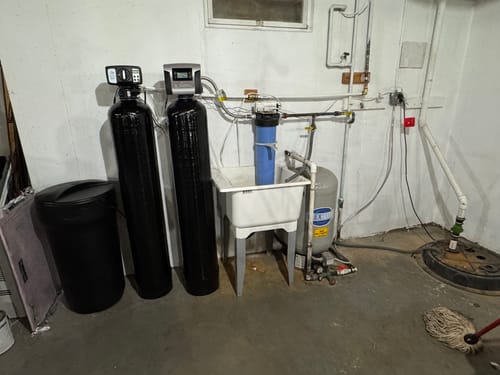
Several clear warning signs can tell you whether your well is high risk for iron before you even run a test. Knowing these indicators helps you act faster and test smarter.
Watch for these four high-risk signals:
- Iron staining or discoloration — rust-colored stains on fixtures, laundry, or sinks signal elevated iron levels.
- Previous iron treatment — if your well's required filtering or treatment before, it's likely still an issue.
- Iron-rich geology — wells in regions with iron-heavy soil or bedrock carry considerably higher risk.
- Deep aquifer sourcing — deeper wells tend to pull ferrous iron, which runs clear but tests high.
If any of these match your situation, you're almost certainly dealing with a high-risk well.
Low-Risk Wells: Why Annual Testing Is Usually Enough
If your well water tests below 0.3 mg/L of iron, you're in good shape — annual testing is all you need to stay on top of it. At this level, iron poses minimal risk, but skipping tests entirely lets gradual increases sneak up on you. Annual checks catch those slow shifts before they become real problems.
The good news? You don't need a lab for routine monitoring. Inexpensive at-home kits work well for yearly checks, keeping costs low without sacrificing awareness.
The one exception: if your well undergoes repairs or you install new plumbing, test again regardless of your schedule. Outside of those events, your energy is better spent maintaining proper well operation and plumbing — your best defense against future iron issues.
Medium and High-Risk Wells: How Often to Test for Iron
As iron levels climb, so does the need for more frequent testing — and for good reason. Higher concentrations create faster-changing conditions that can overwhelm treatment systems before you notice a problem.
- Medium-risk (0.3–3 mg/L): Test annually to track gradual shifts in iron content.
- High-risk (3–10 mg/L): Test every 6 months — conditions change faster here.
- Very high-risk (over 10 mg/L): Test every 3 months to stay ahead of rapid fluctuations.
- Trigger-based testing: Always test after well repairs, seasonal changes, or noticeable water quality shifts.
More frequent testing isn't just caution — it confirms your treatment system is actually working.
Adjusting Your Iron Testing Schedule as Well Conditions Change
Testing schedules aren't set in stone — and that's actually a good thing. Your well's conditions evolve, and your testing frequency should evolve with them.
Several triggers warrant an immediate schedule adjustment:
| Trigger | Action | Reason |
|---|---|---|
| Well maintenance or repairs | Test immediately after | Disturbance can spike iron levels |
| Seasonal shifts | Increase frequency temporarily | Aquifer movement alters concentrations |
| Treatment system changes | Add interim testing | Verify new system performance |
We recommend treating your schedule as a living document rather than a fixed rule. If you notice taste or staining changes between scheduled tests, don't wait — test sooner. Staying proactive keeps you ahead of iron fluctuations before they compromise your water quality or treatment systems.
Frequently Asked Questions
What Is an Acceptable Iron Level in Well Water?
We consider iron levels below 0.3 mg/L acceptable in well water. That's the EPA's recommended limit—anything above it can cause staining, metallic taste, and potential long-term health concerns worth monitoring closely.
Is 3 Ppm Iron in Water Bad?
Yes, 3 ppm iron is bad. We'd consider it a nuisance level that causes staining, metallic taste, appliance damage, and potential long-term health concerns, especially for infants and those with certain medical conditions.
How Do You Know if Your Well Water Is High in Iron?
We can spot high iron well water by watching for metallic taste, reddish-brown stains on fixtures, discolored water, iron bacteria buildup, clogged plumbing, or reduced water flow—then confirm with laboratory testing.
What Is the Recommended Iron Level for Drinking Water?
The EPA recommends keeping iron levels at or below 0.3 mg/L in drinking water. While higher levels aren't a direct health risk, they'll cause staining, metallic taste, and other aesthetic problems.


