


![SoftPro™ Chlorine+ Carbon Whole House Water Filter to Remove PFAS, Chlorine, Chloramine & Pesticides [City Water Filters Series]](http://softprowatersystems.com/cdn/shop/files/SoftPro_Whole_House_Carbon_Filter_with_Spin_Down_Water_Filter.webp?v=1783547361&width=140)


 855-683-8488


Manganese Greensand vs Katalox Light: Media Performance at High Iron Levels

When it comes to high iron levels, Katalox Light outperforms manganese greensand in almost every way. Greensand relies on a manganese dioxide coating that struggles under heavy iron loads, narrow pH ranges, and demanding flow rates. Katalox Light's higher manganese dioxide concentration means faster oxidation, wider pH tolerance, and fewer maintenance headaches. It also lasts up to 20 years compared to greensand's 5-10. Keep going and we'll break down exactly how these differences play out in real-world well water conditions.
Key Takeaways
- Katalox Light's higher manganese dioxide concentration enables faster iron oxidation, outperforming greensand when iron levels are elevated or fluctuating.
- Greensand struggles under heavy iron loads, as its manganese dioxide coating has limited oxidation capacity compared to Katalox Light.
- Katalox Light maintains consistent performance across a wider pH range, while greensand's effectiveness degrades outside its narrow optimal range.
- At high iron concentrations, greensand requires more frequent potassium permanganate regeneration, increasing maintenance demands and operational costs significantly.
- Katalox Light addresses high iron loads with fewer backwash cycles, making it the superior choice for challenging well water conditions.
How Greensand and Katalox Light Remove Iron From Well Water

Both Greensand and Katalox Light tackle iron removal through oxidation — converting dissolved ferrous iron into solid ferric particles that can then be filtered out. The mechanism driving that oxidation, though, is where things get interesting.
Greensand relies on a manganese dioxide coating to trigger the reaction. It's a proven approach, but it has limits.
Greensand's manganese dioxide coating gets the job done — until the water demands more than it can deliver.
Katalox Light uses the same chemistry, except its manganese dioxide concentration is considerably higher. That difference isn't minor — it's what separates a media that handles routine iron problems from one that pushes into higher contamination levels and tougher water conditions.
If you're troubleshooting persistent iron issues or scaling up to more demanding applications, understanding this distinction tells you exactly which media is built for the job.
Where Greensand Struggles With Iron, pH, and Flow Demands
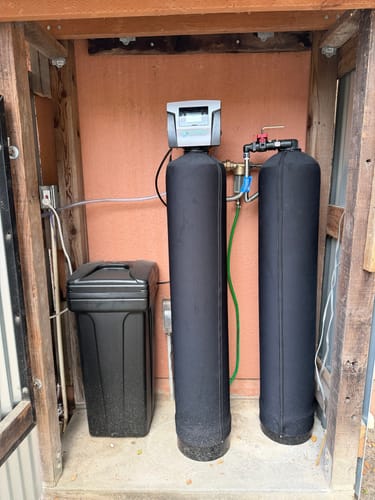
Greensand's manganese dioxide coating does its job well enough under neutral to slightly alkaline conditions, but push the pH outside that range and its oxidation capacity starts to slip. Three specific pressure points reveal where it breaks down:
- pH sensitivity – Performance degrades when conditions drift from that narrow sweet spot.
- Flow rate limitations – Higher demand triggers pressure drops and inconsistent output.
- Regeneration dependency – Regular potassium permanganate treatment adds ongoing maintenance overhead.
These aren't minor inconveniences—they're compounding vulnerabilities. When your well water carries elevated iron or manganese loads, Greensand's limitations stack against you fast. You need media that holds up under real-world variability, not controlled conditions. That's exactly where understanding Katalox Light's design advantages starts to matter.
Greensand vs. Katalox Light: Iron, Manganese, and H₂S Removal
When comparing how these two media handle iron, manganese, and hydrogen sulfide, the differences come down to oxidation capacity. Greensand's manganese dioxide coating does the job, but it's working with a thinner margin. It needs consistent potassium permanganate regeneration to stay effective, and it struggles when pH drifts or iron concentrations climb.
Katalox Light carries a substantially higher concentration of manganese dioxide, which means it oxidizes contaminants faster and handles heavier loads without flinching. It removes manganese and hydrogen sulfide more effectively across a wider range of water conditions—something Greensand simply can't match.
What makes Katalox Light genuinely compelling is its versatility. When we're dealing with multiple contaminants simultaneously, it addresses them all with fewer backwash cycles and less chemical intervention. That's a significant operational advantage.
Greensand vs. Katalox Light: Maintenance Burden and Lifespan Costs
Maintenance costs have a way of sneaking up on you, and greensand is a prime example. Frequent potassium permanganate regeneration and higher backwash rates quietly drain your budget over time. Katalox Light changes that equation profoundly.
- Regeneration frequency: Katalox Light requires fewer backwash cycles and less chemical treatment than greensand.
- Lifespan: Greensand lasts 5–10 years; Katalox Light can reach 20 years with proper care.
- Total cost: The lifespan gap reframes upfront pricing—Katalox Light's higher initial cost becomes an investment, not an expense.
We're fundamentally talking about replacing greensand twice while Katalox Light keeps running. That lower maintenance burden justifies the premium when you're thinking long-term.
When to Choose Katalox Light Over Greensand for Well Water
So how do you know when Katalox Light is the right call over greensand? It comes down to what your well water is actually throwing at your system.
If you're dealing with elevated iron, manganese, or hydrogen sulfide—especially in fluctuating concentrations—Katalox Light handles those loads without breaking a sweat. Its higher manganese dioxide concentration means it oxidizes contaminants faster, tolerates wider pH swings, and maintains consistent flow rates where greensand starts to struggle.
We also recommend it when you want fewer maintenance headaches. Less frequent backwashing, longer media lifespan, and lower long-term costs make Katalox Light the smarter investment for challenging well water conditions. Greensand works well in stable, low-contamination scenarios—but if your water pushes limits, Katalox Light is built for exactly that.
Frequently Asked Questions
How Much Iron Can Katalox Light Remove?
We've found that Katalox Light can remove iron concentrations up to 50 ppm—that's dramatically higher than Birm filters' 3-5 ppm limit, making it the superior choice for tackling heavy iron contamination in your well water.
What Are the Pros and Cons of Katalox Light?
Katalox Light's pros include a wider pH range, longer 20-year lifespan, and lower maintenance costs. The main con? It's a higher upfront investment, though we'd argue the long-term savings make it worthwhile.
Is It Normal for Well Water to Have High Iron and Manganese Levels?
Yes, it's completely normal! Many well owners deal with elevated iron and manganese levels, typically caused by naturally-occurring mineral deposits in the aquifer. Your geographic region plays a significant role in determining what's in your water.
What Is the Best Media for an Iron Filter?
We recommend Katalox Light as the best iron filter media. It handles higher iron, manganese, and hydrogen sulfide levels, works across a wider pH range, and lasts up to 20 years—outperforming alternatives like Greensand.


