


![SoftPro™ Chlorine+ Carbon Whole House Water Filter to Remove PFAS, Chlorine, Chloramine & Pesticides [City Water Filters Series]](http://softprowatersystems.com/cdn/shop/files/SoftPro_Whole_House_Carbon_Filter_with_Spin_Down_Water_Filter.webp?v=1783547361&width=140)


 855-683-8488


Old Steel Well Casing as an Iron Source: Diagnosis and Remediation

When a steel well casing corrodes, it releases dissolved iron directly into your groundwater—and most homeowners never connect the dots. You might notice red-brown stains, metallic-tasting water, or constantly clogged filters and assume it's a simple water quality issue. It's often much more. We'll show you how to confirm the casing is your iron source, what repair and replacement options cost, and which filters protect you while the real fix happens.
Key Takeaways
- Corroding steel well casings release dissolved iron into groundwater, causing discoloration, metallic taste, stained fixtures, and clogged pipes.
- Sudden changes in water color, rust-colored slime, and increased pump cycling are warning signs of casing-derived iron contamination.
- Confirm the casing as the iron source through water quality testing, bacteria screening, and camera-based casing inspection.
- Repair options include installing an inner liner for minor damage or full casing replacement, costing $10,000–$30,000 or more.
- Use sediment or greensand filters as interim iron removal while completing casing repairs for a complete long-term solution.
Why a Rusting Steel Casing Puts Iron in Your Water

When a steel well casing starts to rust, it doesn't just weaken structurally — it actively releases iron directly into your water supply. As the steel oxidizes, dissolved iron leaches into the surrounding groundwater and flows straight to your tap. What you'll notice first are the symptoms: reddish-brown staining, metallic-tasting water, clogged pipes, and appliances that degrade markedly faster than they should.
The rate of corrosion isn't uniform. Water chemistry, soil composition, and casing age all accelerate or slow the process. An older casing in aggressive soil conditions can deteriorate dramatically faster than you'd expect.
Here's the critical insight — treating the iron at the tap masks the problem. Identifying and addressing the corroding casing itself is what actually solves it.
Warning Signs Your Well Water Is Picking Up Iron From the Casing
The warning signs are easy to miss at first — then suddenly they're impossible to ignore. Watch for sudden shifts in your water's color, taste, or odor; these often signal casing corrosion before anything else does.
Casing corrosion rarely announces itself — it whispers first through subtle changes in color, taste, and odor.
Red, yellow, or brown stains on fixtures and laundry confirm excessive iron is moving through your system. If your filters clog frequently or appliances struggle, that's the water telling you something's wrong.
Notice your pump cycling more than usual, or sand appearing in your water? The casing may be letting iron infiltrate. Perhaps most telling: slimy, rust-colored deposits on well components indicate iron bacteria feeding on corroded casing material.
Each symptom builds a clearer picture — one we shouldn't ignore.
How to Test Your Water and Confirm the Casing Is the Source
Confirming iron contamination starts with three core tests: a standard water quality panel, a bacteria screen, and a casing integrity inspection. The water panel measures dissolved and particulate iron levels, giving us a baseline. The bacteria screen checks for iron-related bacteria, which thrive inside corroding steel and dramatically accelerate casing deterioration. Together, these two tests reveal what's in your water and why.
The casing inspection is where we pin down the source. A licensed well contractor can lower a camera into the borehole, directly identifying corrosion, pitting, or breaches in the steel. If iron levels spike near the casing wall and structural damage is visible, we've confirmed the diagnosis. That certainty matters—it keeps us from treating symptoms while the actual problem quietly worsens underground.
Repair or Replace? Your Options for a Corroded Steel Casing
Once we've confirmed the casing is the culprit, we face the real decision: fix what's there or start fresh. Lining the existing casing with a smaller-diameter liner is a solid repair option—it stops further corrosion without the full replacement cost. But if the damage is extensive, lining won't cut it. Structural compromise means we need a full replacement to restore reliability.
Replacement isn't cheap. Expect $10,000 to $30,000 or more, depending on depth, diameter, and local labor rates. That's why early detection matters—catching corrosion through regular inspections limits our options to repair rather than forcing replacement.
Before committing to either path, consult a licensed well driller. They'll assess the casing's condition and recommend the most cost-effective solution for our specific situation.
Iron Filters to Use While Your Casing Gets Fixed
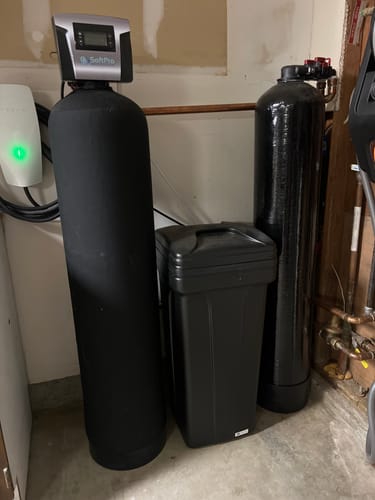
While we sort out the casing repair or replacement, we don't have to live with iron-tainted water. Sediment or greensand filters can bridge the gap, pulling iron out before it stains fixtures or ruins taste.
Sediment and greensand filters bridge the gap, pulling iron out before it stains fixtures or ruins taste.
We've got two strategic options worth considering. A point-of-use filter targets water at a specific tap, offering a lean, cost-effective solution. A whole-home system treats every outlet simultaneously, which makes more sense if iron levels are particularly aggressive.
Here's the critical maintenance reality: filters lose effectiveness fast when iron loads are high, so we'll need to stay disciplined about regular cartridge changes throughout the remediation process.
Ultimately, pairing filtration with casing rehabilitation isn't just a temporary fix—it's the foundation of a genuinely long-term solution.
Frequently Asked Questions
What Are the Symptoms of a Bad Well Casing?
We'll notice bacterial contamination, discolored water, dropping water levels, sand or grit flowing from taps, increased pump cycling, and visible cracks or corrosion—all critical warning signs your well casing's structural integrity may be compromised.
How to Rejuvenate an Old Well?
To rejuvenate an old well, we'll want to shock chlorinate it, remove sediment buildup, inspect and repair the casing, and test water quality. These steps restore flow rates and eliminate contamination that's compromised your water system.
How Long Do Well Casings Last?
Steel well casings typically last around 50 years, but water chemistry, soil conditions, and nearby corrosive environments can shorten that lifespan. We'll want to monitor ours regularly to catch deterioration before it becomes a costly replacement.
Can a Well Casing Be Replaced?
Yes, we can replace a well casing, though it's costly—around $110,000 or more for deeper wells. That's why we recommend building a reserve fund before your aging infrastructure forces an emergency decision.


