


![SoftPro™ Chlorine+ Carbon Whole House Water Filter to Remove PFAS, Chlorine, Chloramine & Pesticides [City Water Filters Series]](http://softprowatersystems.com/cdn/shop/files/SoftPro_Whole_House_Carbon_Filter_with_Spin_Down_Water_Filter.webp?v=1783547361&width=140)


 855-683-8488


Ozone-Based vs Air-Based Iron Filtration: A Homeowner's Technology Guide

Both ozone and air injection systems remove iron by converting dissolved ferrous iron into solid particles your filter can catch. Air injection works well for iron levels under 8 ppm, while ozone handles concentrations up to 20 ppm with greater consistency. Ozone also tackles manganese, sulfur, and bacteria simultaneously. The right choice depends on your specific water chemistry, iron levels, and how much ongoing maintenance you're willing to manage — and we'll break all of that down ahead.
Key Takeaways
- Ozone handles iron up to 20 ppm with 99% removal efficiency, while air injection maxes out at 8 ppm and 90-95% removal.
- For acidic water below pH 6.5, ozone maintains consistent performance, whereas air injection systems experience reduced effectiveness.
- Ozone addresses multiple contaminants including manganese, sulfur, and bacteria, making it a broader water treatment solution.
- Ozone media lasts 6-8 years and self-cleans during backwash, requiring less maintenance than air injection's 3-5 year media lifespan.
- Choose air injection for iron below 8 ppm as a cost-effective option; choose ozone for higher concentrations or complex water issues.
How Do Ozone and Air Injection Remove Iron?

When iron-laced water flows into your home, it's carrying dissolved ferrous iron (Fe²⁺) — an invisible contaminant that stains fixtures, ruins appliances, and makes water taste metallic. Both ozone and air injection systems solve this by converting Fe²⁺ into insoluble ferric iron (Fe³⁺) particles that filtration media can capture and remove.
Here's where they diverge. Air injection creates an oxygen-rich pocket inside the tank, naturally oxidizing iron before Katalox Light media filters it out. Ozone takes a more aggressive approach — injecting a powerful oxidizing gas that converts iron faster and more completely. That extra oxidation strength matters enormously at higher concentrations. Air injection tops out around 8 ppm; ozone handles up to 20 ppm reliably, making it the stronger solution for serious iron problems.
Which System Actually Removes More Iron?
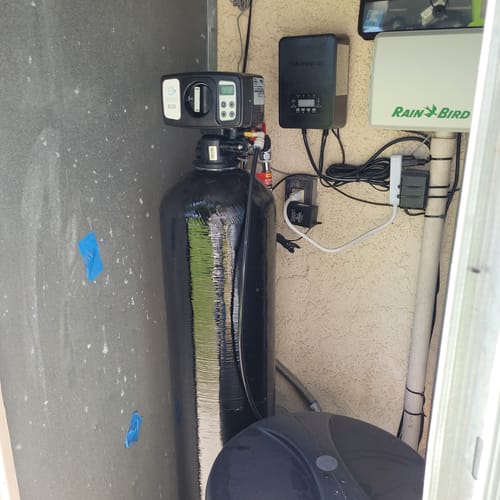
On paper, both systems remove iron — but the numbers tell a very different story. Ozone-based systems eliminate up to 99% of dissolved iron, while air-based systems cap out at 90-95%. That gap matters enormously when your water quality is on the line.
Consider this: independent lab tests show ozone reducing iron from 10 ppm down to under 0.3 ppm — hitting the EPA's secondary drinking water standard. Air-based systems simply can't match that precision.
The advantage compounds under tougher conditions. When iron concentrations climb toward 20 ppm, ozone handles it. Air-based systems struggle beyond 8 ppm. Add acidic water below pH 6.5, and air-based performance drops further — while ozone maintains consistent removal across pH levels from 5.5 to 9.0.
Which Water Conditions Favor Ozone or Air Injection?
Your water's chemistry is the real deciding factor here. If your iron levels push past 8 ppm, ozone's the stronger choice—it handles concentrations up to 20 ppm where air injection simply can't keep up. But concentration isn't everything.
pH matters enormously. Ozone oxidizes iron most aggressively in acidic water below 6.5, making it ideal if your well water runs naturally acidic. Air injection performs steadily across moderate pH ranges without that sensitivity.
We'd also encourage you to think beyond iron. If your water tests reveal manganese, sulfur, or bacterial contamination alongside iron, ozone addresses all of them simultaneously. Air injection's a precision tool—excellent at iron, but limited elsewhere.
Know your full water profile before choosing. That single step prevents costly mismatches.
Ozone vs. Air Injection: Maintenance Costs and Tasks Compared
Once you've matched a system to your water chemistry, the next question that hits your wallet is upkeep. Ozone systems win here convincingly. Their media lasts 6–8 years compared to air injection's 3–5 years, and they self-clean during backwash cycles, so you're not scheduling separate maintenance windows.
Air injection systems demand more from you—regular backwashing, pH monitoring, and occasional chemical treatments add up in both time and money. Ozone eliminates harsh chemicals entirely, cutting recurring costs while reducing environmental impact.
Think of ozone as the set-it-and-monitor-it option. Air injection is more hands-on, rewarding attentive homeowners who don't mind staying involved. If minimizing long-term maintenance burden matters to you, ozone's lower task load and extended component lifespan make a compelling financial case.
Which Iron Filtration System Should You Buy?
So which system actually belongs in your home? It depends on your water's specific iron concentration. If your iron levels sit below 8 ppm, an air-based system delivers reliable, cost-effective removal without the steeper installation investment. But if you're dealing with concentrations up to 20 ppm, ozone's stronger oxidizing power is the clear winner.
Beyond iron concentration, consider your long-term maintenance appetite. Ozone systems require less ongoing attention, making them smarter for homeowners who want a set-it-and-forget-it solution. Air-based systems trade lower upfront costs for more hands-on maintenance.
Before committing to either technology, test your water thoroughly. Knowing your exact iron levels, pH, and household water usage guarantees you're sizing and selecting the right system with confidence, not guesswork.
Frequently Asked Questions
Can Iron Filtration Systems Also Remove Manganese From Well Water?
Yes, iron filtration systems tackle manganese effectively too. We'll oxidize both contaminants simultaneously, converting dissolved manganese into filterable particles. You'll often find these systems handle iron, manganese, and hydrogen sulfide together in one powerful treatment stage.
How Long Does a Typical Iron Filtration System Last Before Replacement?
With proper maintenance, we're looking at 10–20 years for most iron filtration systems. The key's replacing media every 3–5 years, keeping control valves serviced, and addressing issues before they escalate into costly failures.
Does Iron Filtration Affect the Taste or Smell of Drinking Water?
Yes, iron filtration dramatically improves your water's taste and smell. By removing dissolved iron, sulfur compounds, and oxidized metals, we're eliminating that metallic bite and rotten-egg odor that makes unfiltered well water nearly undrinkable.
Are Iron Filtration Systems Compatible With Existing Water Softeners?
Yes, they're compatible—and they work best in sequence. We recommend installing your iron filter before the softener, protecting its resin bed from iron fouling and dramatically extending its lifespan and regeneration efficiency.
What Certifications Should a Quality Iron Filtration System Have?
We recommend looking for NSF/ANSI 42, 44, and 58 certifications—these validate contaminant reduction claims. WQA Gold Seal certification adds another layer of credibility, ensuring the system's materials and performance meet rigorous independent testing standards.


