Water Contaminants:The Complete Guide to Understanding What's in YourTap Water

Section Image

Water is essential to life, yet the water flowing from your tap may contain hundreds of contaminants that threaten your health and well-being.

Understanding these water contaminants is the first step toward protecting yourself and your family from potential health risks.

At SoftPro Water Softeners, we've dedicated ourselves to helping homeowners identify, understand, and eliminate these dangerous substances from their drinking water through advanced water treatment solutions.

Every day, millions of Americans unknowingly consume water contaminated with industrial chemicals, heavy metals, agricultural runoff, pharmaceutical residues, and disinfection byproducts.

While municipal water treatment facilities work diligently to provide safe drinking water, the journey from treatment plant to your faucet can introduce numerous contaminants through aging infrastructure, cross-contamination, and environmental pollution.

Additionally, many regulated contaminants are allowed at levels that may still pose health risks, especially for vulnerable populations including children, pregnant women, elderly individuals, and those with compromised immune systems.

This comprehensive guide examines over 480 water contaminants found in American tap water systems, organized by category to help you understand the sources, health effects, and protective measures available.

Whether you're concerned about chlorine taste, worried about lead exposure, or simply want to ensure your family has access to the purest water possible, this resource provides the knowledge you need to make informed decisions about your water quality.


Heavy Metals: Toxic Elements That Accumulate in Your Body

Section Image

Heavy metals represent some of the most dangerous contaminants found in drinking waterdue to their toxicity and tendency to bioaccumulate in human tissues over time.

Thesemetallic elements occur naturally in the Earth's crust but reach dangerous concentrations inwater supplies through industrial discharge, mining operations, corroded plumbing systems,and agricultural runoff.

Unlike organic contaminants that the body can metabolize andeliminate, heavy metals persist in organs and tissues, causing cumulative damage with each exposure.

The health consequences of heavy metal exposure through drinking water are severe andwide-ranging. These toxic elements interfere with essential biological processes, damageorgan systems, impair neurological development in children, and increase cancer risk.

Even at concentrations considered "safe" by regulatory standards, chronic low-level exposure to certain heavy metals can cause subtle but significant health effects over years or decades of consumption.

Primary Toxic Heavy Metals

Contaminant Learn More
Arsenic Carcinogenic metalloid linked to cancer
Mercury Neurotoxic metal damaging nervous system
Mercury (inorganic) Inorganic form with kidney toxicity
Mercury (inorganic) Alternative mercury information
Cadmium Kidney-damaging carcinogen
Chromium Industrial metal affecting multiple organs
Chromium Chromium contamination details
Chromium (hexavalent) Highly toxic carcinogenic form
Chromium (hexavalent) Erin Brockovich chemical
Chromium (total) All forms of chromium contamination
Section Image

Arsenic contamination affects millions of private wells and public water systems across America, particularly in regions with naturally occurring arsenic deposits or areas impacted by historical pesticide use and mining activities.

This tasteless, odorless metalloid is classified as a known human carcinogen, with chronic exposure linked to bladder cancer, lung cancer, skin cancer, cardiovascular disease, and diabetes.

The World Health Organization considers arsenic in drinking water one of the greatest environmental health threats globally, yet many American communities continue to struggle with contamination levels exceeding federal safety limits.

Lead contamination has gained national attention following high-profile cases like the Flint water crisis, but the reality is that lead exposure through drinking water remains a widespread problem affecting communities nationwide.

This potent neurotoxin leaches into water from lead service lines, lead solder in older plumbing systems, and brass fixtures containing lead.

Children are especially vulnerable to lead's devastating effects on brain development, experiencing reduced IQ, learning disabilities, behavioral problems, and impaired growth even from low-level exposure.

For adults, lead exposure contributes to cardiovascular disease, kidney damage, reproductive problems, and increased blood pressure.

Mercury represents another highly toxic heavy metal that accumulates in the body over time. The inorganic form of mercury primarily affects the kidneys, while organic forms like methylmercury concentrate in fish and cause neurological damage.

Even low-level mercury exposure during pregnancy can impair fetal brain development, making this contaminant particularly concerning for pregnant women and young children.

Essential Elements at Toxic Levels

Contaminant Learn More
Aluminum Linked to neurological concerns
Barium Affects cardiovascular and kidney function
Beryllium Carcinogenic metal causing lung disease
Cobalt Can damage heart and thyroid
Manganese Neurotoxic at elevated levels
Molybdenum Interferes with copper metabolism
Nickel Allergenic metal causing various reactions
Selenium Essential nutrient toxic at high doses
Selenium Selenium toxicity information
SilverCan cause skin discoloration
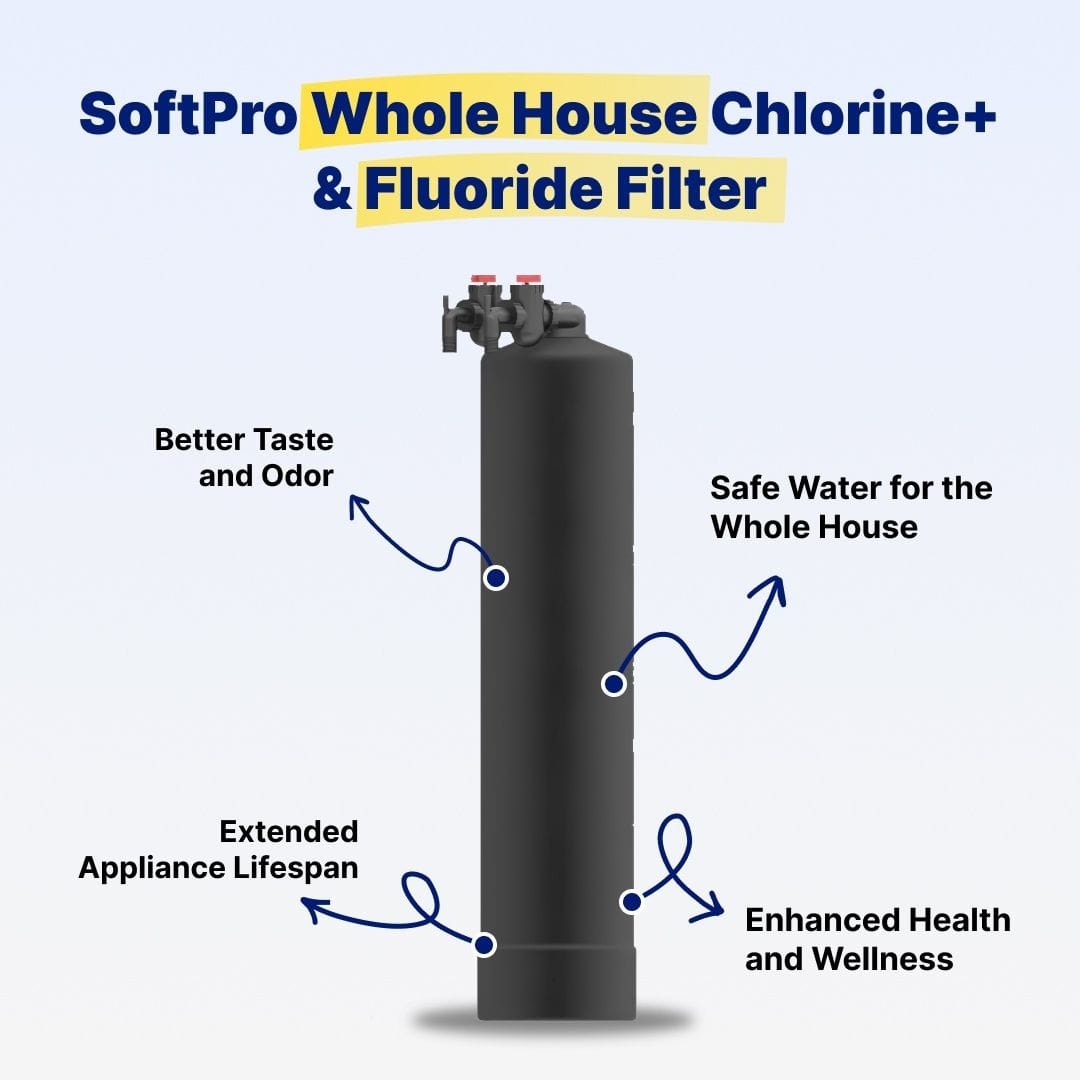
Softpro Fluoride Filter Whole House Chlorine Benefits 03d6d5d8 42de 4fa3 8677 C78fda010385 - SoftPro Water Filters and Purification

Many elements that serve essential biological functions at trace levels become toxic when present in drinking water at elevated concentrations.

Manganese, for example, is a necessary nutrient for bone formation, blood clotting, and metabolic processes, but excessive exposure through contaminated water can damage the central nervous system, causing symptoms similar to Parkinson's disease.

Children exposed to high manganese levels may experience reduced intellectual function, impaired motor skills, behavioral problems, and lower academic achievement.

Aluminum naturally occurs in rocks and soil but enters drinking water through both geological sources and water treatment processes where aluminum sulfate is used as a coagulant.

While aluminum's role in human health remains debated, research suggests potential links between chronic aluminum exposure and neurological conditions.

Barium contamination typically originates from industrial waste discharges, drilling operations, and natural deposits, affecting cardiovascular function and kidney health when consumed in contaminated water over extended periods.

Selenium presents an interesting case of a nutrient that becomes toxic at elevated levels.

While humans require trace amounts of selenium for antioxidant protection and thyroid function, excessive intake through contaminated water can cause selenosis, characterized by hair loss, nail brittleness, neurological abnormalities, and gastrointestinal distress.

Agricultural drainage in certain western states concentrates selenium to toxic levels in some water supplies.

Rare and Emerging Metallic Contaminants

Contaminant Learn More
Antimony Metalloid with cardiovascular effects
Germanium  Semiconductor material in water
Lithium Pharmaceutical compound in water supplies
Thallium Highly toxic heavy metal
Titanium Industrial contaminant
Uranium Radioactive heavy metal
Uranium Uranium contamination guide
Softpro Fluoride Filter Whole House Join 4000 Benefits 7b120eed 0bae 4d69 97d6 4abb7fbf7a9b - SoftPro Water Filters and Purification

Less commonly discussed metallic contaminants pose equally serious health threats when they contaminate drinking water supplies.

Thallium, once widely used in rat poisons and industrial applications, is extraordinarily toxic even at minute concentrations, affecting the nervous system, kidneys, liver, and heart.

Antimony exposure primarily occurs through industrial sources and can cause cardiovascular problems, gastrointestinal distress, and skin irritation.

Uranium contamination represents both a chemical toxicity concern and a radiological hazard, with this radioactive heavy metal naturally occurring in certain geological formations and also released through mining, nuclear fuel processing, and weapons manufacturing.

The metal accumulates in bones and kidneys, causing kidney damage while also delivering radiation exposure that increases cancer risk over time.

Private wells in uranium-rich geological areas face particular vulnerability to this dangerous contaminant.

Lithium, better known as a pharmaceutical treatment for bipolar disorder, increasingly appears in drinking water through both natural geological sources and pharmaceutical waste.

While the concentrations in drinking water remain far below therapeutic doses, questions exist about potential population-level effects of chronic low-level exposure, particularly given lithium's effects on brain chemistry and mood regulation.

Volatile Organic Compounds (VOCs): Industrial Chemicals in Your Water

Water Test Tubes With Dopper - SoftPro Water Filters and Purification

Volatile Organic Compounds represent one of the most pervasive categories of water contaminants affecting municipal water supplies and private wells across the United States.

These carbon-based chemicals easily evaporate at room temperature and originate from industrial processes, manufacturing facilities, fuel combustion, chemical production, dry cleaning operations, and petroleum refineries.

VOCs contaminate groundwater through improper disposal practices, leaking underground storage tanks, chemical spills, and industrial accidents, persisting in aquifers for decades due to their chemical stability.

The health impacts of VOC exposure through drinking water range from acute effects like dizziness, headaches, and nausea to chronic conditions including liver damage, kidney dysfunction, immune system suppression, reproductive problems, and significantly increased cancer risk.

Many VOCs are classified as probable or known carcinogens by major health organizations, meaning long-term exposure may increase cancer risk even at relatively low concentrations.

Children and developing fetuses face heightened vulnerability to these chemical contaminants due to their rapidly developing organ systems and higher metabolic rates relative to body weight.

Chlorinated Solvents and Industrial Chemicals

Contaminant Learn More
1,1,1-Trichloroethane Metal degreaser and solvent
1,1,2-Trichloroethane Industrial solvent with liver toxicity
1,1,2,2-Tetrachloroethane Highly toxic chlorinated compound
1,1-Dichloroethane Plastics industry chemical
1,1-Dichloroethylene Vinyl production chemical
1,2-Dichloroethane Carcinogenic PVC precursor
Trichloroethylene Widespread degreasing solvent
Trichloroethylene TCE contamination details
Tetrachloroethylene Dry cleaning chemical (PCE)
Tetrachloroethylene Perchloroethylene information
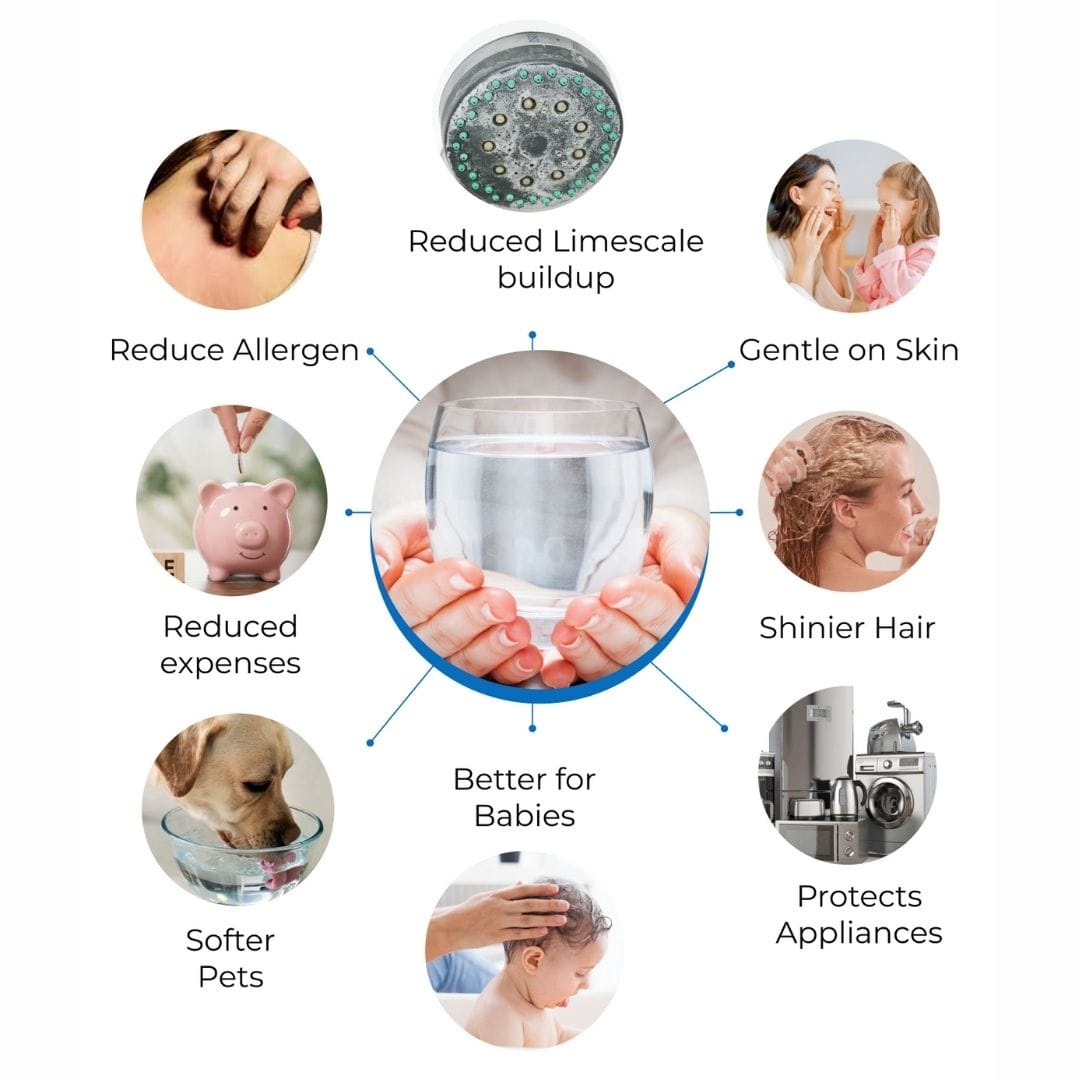
Product benefits including reduced limescale buildup, gentle on skin, shinier hair, softer pets, better for babies, protects appliances, reduced expenses.

Chlorinated solvents constitute a particularly dangerous subset of volatile organic compounds frequently detected in drinking water supplies throughout industrialized regions.

These chemicals were widely used in manufacturing, dry cleaning operations, metal degreasing, and various industrial applications throughout the 20th century.

Improper disposal practices and accidental spills have resulted in widespread groundwater contamination that persists for decades due to the chemical stability of these compounds.

Trichloroethylene (TCE) and tetrachloroethylene (PCE) stand among the most commonly detected chlorinated solvents in contaminated drinking water supplies.

Both chemicals have been extensively used in dry cleaning and metal degreasing operations, and both are classified as probable human carcinogens by major health organizations.

Exposure to these solvents has been linked to increased risks of kidney cancer, liver cancer, and non-Hodgkin lymphoma, while also potentially affecting central nervous system function and causing developmental problems in children exposed during pregnancy.

The challenge with chlorinated solvents is their remarkable persistence in groundwater systems.

Once released into the subsurface environment, these dense liquids sink through soil and groundwater, creating long-lasting contamination plumes that can migrate for miles from the original source.

Cleanup of chlorinated solvent contamination costs billions of dollars annually and may require decades of active remediation to achieve safe drinking water standards.

Additional Chlorinated Ethylene and Ethane Compounds

Contaminant Learn More
trans-1,2-Dichloroethylene Industrial chemical intermediate
cis-1,2-Dichloroethylene Solvent and chemical intermediate
cis-1,2-Dichloroethylene Cis-DCE isomer
cis-1,2-Dichloroethylene Alternative cis-DCE page
cis-1,2-Dichloroethene Degradation product of TCE
cis-1,2-Dichloro Cis-DCE alternative designation
Carbon tetrachloride Banned but persistent contaminant
Dichloromethane Paint stripper and degreaser
Dichloromethane (methylene chloride) Carcinogenic solvent
Chloromethane Refrigerant and methylating agent

The various isomers and related compounds of chlorinated ethylenes present unique contamination challenges in groundwater systems.

Trans-1,2-dichloroethylene and cis-1,2- dichloroethylene often appear as degradation products when trichloroethylene breaks down in groundwater, meaning their presence frequently indicates historical TCE contamination even when parent compounds are no longer detectable.

Carbon tetrachloride, once widely used in fire extinguishers, refrigerants, and as a cleaning agent, was banned for most uses decades ago but persists in groundwater due to its remarkable chemical stability and resistance to natural degradation processes.

Vinyl chloride deserves special attention as both an industrial chemical used to manufacture PVC plastics and as a breakdown product of other chlorinated solvents.

This colorless gas with a mild sweet odor is a known human carcinogen strongly linked to a rare form of liver cancer called angiosarcoma.

Vinyl chloride contamination often indicates the presence of other chlorinated solvents since it forms when these compounds degrade in oxygen-poor groundwater conditions.

The presence of vinyl chloride in drinking water requires immediate action due to its extreme carcinogenicity.