


![SoftPro™ Chlorine+ Carbon Whole House Water Filter to Remove PFAS, Chlorine, Chloramine & Pesticides [City Water Filters Series]](http://softprowatersystems.com/cdn/shop/files/SoftPro_Whole_House_Carbon_Filter_with_Spin_Down_Water_Filter.webp?v=1783547361&width=140)


 855-683-8488


Well Water Iron and Coffee, Tea, and Beverages: How Iron Affects Taste

If your well water contains iron, it's quietly ruining your morning coffee and tea. Even tiny concentrations as low as 0.3 mg/L cause a harsh metallic bitterness you can't ignore. Iron reacts with tannins in tea, creating a dark, astringent brew, while interfering with coffee's complex aromas. The good news? You can fix it. Stick with us, and we'll show you exactly how to identify the problem and reclaim every sip.
Key Takeaways
- Dissolved ferrous iron causes a metallic taste in water at concentrations as low as 0.3 mg/L, directly affecting beverages.
- Iron reacts with tannins in coffee and tea, producing a harsh, astringent, and unpleasant flavor profile.
- Ferric iron oxidizes brews, turning coffee and tea a reddish-brown color with a bitter, metallic taste.
- Iron interferes with complex aromatic compounds in coffee, degrading its intended flavor and overall quality.
- Excess iron causes tannins in tea to over-precipitate, resulting in a dark, overly astringent brew.
Why Iron Makes Your Coffee and Tea Taste Metallic

When iron sneaks into your well water, it doesn't just sit there quietly — it actively sabotages your morning cup. Dissolved ferrous iron (Fe²⁺) is the culprit behind that unmistakable metallic taste, and it doesn't take much. Concentrations as low as 0.3 mg/L are enough to make it noticeable.
Here's where it gets worse for tea and coffee drinkers specifically. Iron reacts chemically with the tannins naturally present in both beverages, producing an inky black appearance and a harsh, astringent taste that no amount of cream or sugar can mask. When iron then oxidizes to ferric iron (Fe³⁺) upon air exposure, it turns your brew a reddish-brown color. What started as a promising cup becomes something genuinely unpleasant.
How to Tell If Iron Is Affecting Your Well Water
Knowing what's ruining your coffee is only half the battle — you also need to know how to catch iron in your water before it wrecks another pot. Here's what to look for:
- Reddish-brown stains in sinks, tubs, or coffee pots signal ferric iron buildup.
- Metallic or bitter taste in plain water means dissolved ferrous iron is present.
- Cloudy or discolored water indicates iron levels high enough to affect brewing chemistry.
- Water test results above 0.3 mg/L (EPA's recommended limit) confirm problematic iron concentrations.
Don't rely on taste alone — iron can influence your brew even at levels you won't immediately detect. A certified water test gives you the precise numbers you need to act decisively.
What Iron Does to Your Coffee and Tea
Iron doesn't just taste bad on its own — it actively interferes with the chemistry that makes coffee and tea enjoyable. Coffee's complex aromatic compounds react with dissolved iron, producing a harsh, metallic bitterness that overwhelms the natural flavor profile you're paying good money to experience.
Tea suffers differently — iron causes tannins to over-precipitate, creating an unnaturally dark, astringent brew that tastes stale before it's even cooled. The higher your water's iron concentration, the more aggressively it disrupts extraction. You'll notice your carefully sourced single-origin beans or premium loose-leaf teas tasting flat, bitter, or just off in ways you can't quite identify. That mystery isn't in your brewing technique — it's in your water.
Does Iron in Well Water Pose a Health Risk?
So if iron makes your coffee taste like a handful of pennies, you're probably wondering whether it's actually hurting you — and here's the reassuring part: it's mostly an aesthetic problem, not a health one.
Iron is classified as a secondary contaminant — meaning regulations target taste and appearance, not toxicity.
Your diet already handles iron intake — tap water contributes only about 5% of your daily requirement.
Sensitive individuals may experience gastrointestinal discomfort at high concentrations, but iron is essential for oxygen transport in blood.
Iron bacteria create odors and clogs but aren't harmful to consume.
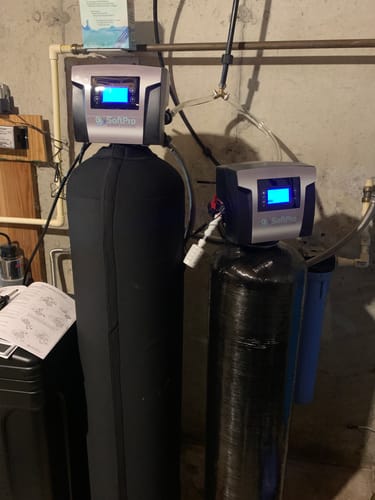
How to Remove Iron From Your Well Water
The good news is that iron in well water is very treatable — and you've got options depending on what type of iron you're dealing with. For clear-water iron, water softeners and iron filters work effectively.
Red-water iron responds well to chemical oxidation systems that convert soluble ferrous iron into filterable ferric particles. If you want a detailed solution, reverse osmosis removes all iron forms entirely, while whole-house filtration systems deliver thorough treatment throughout every tap in your home.
Each method has its strengths, so matching the right technology to your specific iron type matters. We'd also recommend committing to regular maintenance — media replacement and consistent backwashing keep these systems performing at their best long-term. The right setup genuinely transforms your water quality.
Frequently Asked Questions
What Is Worse for Iron Absorption, Coffee or Tea?
Tea's actually worse for iron absorption than coffee. Its tannins bind more aggressively to iron, blocking uptake more effectively. If you're managing iron levels, we'd recommend timing your tea consumption away from iron-rich meals.
Is It Okay to Drink Well Water With Iron?
We can drink well water with iron—it's generally not a health hazard. However, if levels exceed 0.3 mg/L, we'll notice metallic tastes, staining, and unpleasant reactions with our favorite beverages.
What Drains Iron From Your Body?
We lose iron through bleeding, sweating, and shedding intestinal cells. Heavy periods, frequent blood donations, intense exercise, and certain medications can substantially/considerably/markedly deplete our body's iron stores faster than diet replenishes them.
What Drinks Block Iron Absorption?
Coffee and black tea are the biggest culprits—their high tannin content binds to iron, blocking absorption. We'd also watch out with red wine and cocoa, as they contain similar iron-inhibiting compounds.


