


![SoftPro™ Chlorine+ Carbon Whole House Water Filter to Remove PFAS, Chlorine, Chloramine & Pesticides [City Water Filters Series]](http://softprowatersystems.com/cdn/shop/files/SoftPro_Whole_House_Carbon_Filter_with_Spin_Down_Water_Filter.webp?v=1783547361&width=140)


 855-683-8488


Well Water Turning Red After Running: What Causes It and What to Do

Well water turning red after running is almost always caused by iron — either dissolved in your groundwater, oxidizing inside your pipes, or stirred up from disturbed sediment in your well. Corroding well components and iron bacteria can make it worse. You shouldn't drink or cook with it until you've tested it, and you'll want a proper treatment system for a permanent fix. We've got everything you need to tackle this ahead.
Key Takeaways
- Well water turns red after running due to dissolved iron oxidizing when exposed to air, forming visible rust-colored particles.
- Corroding iron pipes, well components, or disturbed iron-rich sediments can also cause red discoloration when water flows.
- Avoid drinking or cooking with red well water until professional testing confirms its safety and identifies contaminants.
- Test for iron, manganese, and bacterial contamination, then inspect the well for visible damage or sediment buildup.
- Permanently fix red well water by installing an iron filtration system, replacing corroded plumbing, and scheduling regular water testing.
Why Well Water Turns Red After Running?

Dissolved iron naturally occurs in groundwater. Once that water hits oxygen, oxidation kicks in, forming iron oxide particles — fundamentally rust — that turn your water reddish or brown.
But iron doesn't always come from the ground itself. Corroding iron pipes or well components can leach iron directly into your supply. Heavy water usage can disturb iron-rich sediments settled at the bottom of your well, stirring them back into circulation.
There's also a biological angle worth knowing: iron bacteria metabolize dissolved iron, producing that distinctive red sludge. Each cause demands a different solution, so identifying the source matters.
Can You Still Shower or Cook With Red Well Water?
When red well water starts flowing from your taps, most of us immediately wonder whether it's still usable for everyday tasks. The answer depends on what you're using it for.
Showering is generally safe, though some people experience skin irritation, and the water may stain light-colored fabrics. Cooking is a different story—high iron content noticeably affects food's taste and appearance, so we'd recommend avoiding it.
Showering with red well water is generally fine, but cooking with it? Best to avoid that entirely.
Drinking red well water without proper testing and treatment is inadvisable, as it may harbor harmful contaminants beyond just iron. For laundry, expect potential rust stains and damage to both clothing and your washing machine components.
If red water becomes a recurring issue, investing in a filtration or treatment system is the most practical long-term solution.
What to Do When Your Well Water Turns Red
Discovering red well water is alarming, but acting quickly can prevent bigger problems down the line. First, stop using the water immediately—don't drink, cook, or bathe with it until you've identified the cause.
Verify the water for iron, manganese, and bacterial contamination to pinpoint the exact issue.
Inspect the well for visible damage or sediment buildup contributing to discoloration.
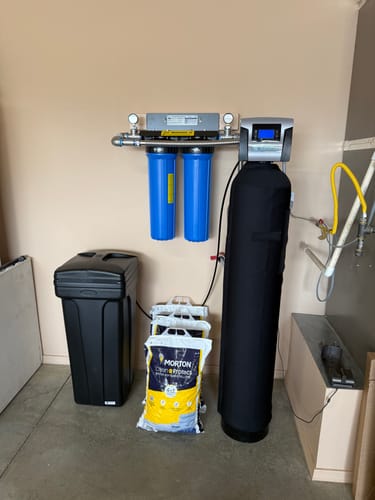
Install a targeted treatment system, like an iron removal filter, once you've confirmed the root cause.
We also strongly recommend consulting a professional well water specialist. They'll assess your well's condition and recommend the most effective solution. Tackling this systematically confirms you're not just masking the problem—you're actually solving it.
How to Fix Red Well Water for Good
Now that we're aware of what steps to take when red water hits, let's talk about fixing it permanently.
Long-term solutions require layered action:
| Fix | Purpose |
|---|---|
| Iron filtration system | Removes excess iron causing discoloration |
| Shock chlorination | Eliminates bacteria accelerating contamination |
| Replace corroded plumbing | Stops ongoing iron leaching at the source |
Beyond these three pillars, we'll want to schedule regular water testing to keep our filtration system calibrated correctly. Don't overlook mineral content either — if hardness levels are elevated, a water softener works alongside iron filtration to tackle multiple contributors simultaneously.
The permanent fix isn't one action; it's a system. We build each layer intentionally, test consistently, and adjust proactively. That's how we reclaim clean, clear water for good.
Signs the Problem Is Too Big to Fix Yourself
Sometimes, red water signals a problem that's genuinely beyond a DIY fix — and recognizing that line early saves us time, money, and potential health risks. If you've flushed the system thoroughly and discoloration persists, something deeper is likely compromised.
Watch for these red flags:
- Persistent red or brown water after extensive flushing suggests structural issues with the well casing or components
- Increasing sediment, sand, or debris points to a failing well screen — a repair requiring professional equipment
- Strong odors alongside discoloration — metallic, rotten egg, or sewage-like smells — often indicate serious contamination
Significant drops in pressure, flow, or sudden taste changes reinforce the need for expert evaluation. When DIY steps consistently fall short, consulting a certified well technician isn't optional — it's essential.
Frequently Asked Questions
Why Has My Well Water Turned Red?
Your well water's turned red because of high iron content, corroded pipes, iron bacteria, disturbed sediment, or seasonal groundwater shifts. Let's identify the exact cause so we can tackle it effectively together.
How to Tell if Your Well Ran Dry?
You'll know your well's run dry if you notice sputtering faucets, low water pressure, or your pump cycling frequently. Listen for straining pump sounds or spot sudden drops in water flow.
Why Is My Water Running Red?
Your red water's likely caused by high dissolved iron oxidizing when exposed to air. It could also stem from corroded pipes, iron bacteria growth, or sediment disturbances from recent pump maintenance.
Why Is My Well Water Turning Pink?
Your well water's turning pink because of manganese, a natural mineral in groundwater. When it's exposed to air or chlorine, it oxidizes and creates that distinctive pink discoloration you're seeing in your water.


