


![SoftPro™ Chlorine+ Carbon Whole House Water Filter to Remove PFAS, Chlorine, Chloramine & Pesticides [City Water Filters Series]](http://softprowatersystems.com/cdn/shop/files/SoftPro_Whole_House_Carbon_Filter_with_Spin_Down_Water_Filter.webp?v=1783547361&width=140)


 855-683-8488


What a Certified Well Water Iron Lab Test Costs and What You Get

A certified well water iron test costs between $20 and $60 for a standalone panel, or up to $400 bundled into a full water quality screen. Unlike a cheap DIY strip, a certified lab delivers precise measurements of both dissolved and visible iron forms, plus actionable data to guide the right treatment solution. It's the difference between guessing and knowing. Stick with us, and we'll break down exactly what your results mean and when you need them.
Key Takeaways
- A standalone certified iron test costs $20 to $60, while a bundled water quality panel runs $199 to $400.
- Certified labs quantify 50 to 115 contaminants, including precise iron levels, bacteria, and metals, unlike basic DIY strips.
- Testing distinguishes between dissolved ferrous iron and visible ferric iron, both of which cause staining and taste issues.
- Results are compared against the EPA's 0.3 mg/L secondary standard to determine whether treatment is necessary.
- Certified lab reports cross-reference iron with manganese and pH, providing a clear roadmap for selecting the right treatment system.
How Much Does a Certified Well Water Iron Test Cost?

When it comes to certified well water iron testing, you're typically looking at $20 to $60 through a state-certified laboratory. That range shifts depending on whether you're running iron as a standalone test or bundling it into a broader water quality panel.
If you want the full picture — iron alongside other contaminants — expect to invest $199 to $400 through an accredited lab. It costs more, but you'll walk away knowing exactly what's in your water, not just guessing.
Worth noting: some local health departments and university extension services offer subsidized testing for private well owners, which can bring costs down considerably. Unlike DIY test strips, certified lab results give you precise measurements — the kind of data that actually drives smart treatment decisions.
What a Well Water Iron Test Actually Measures
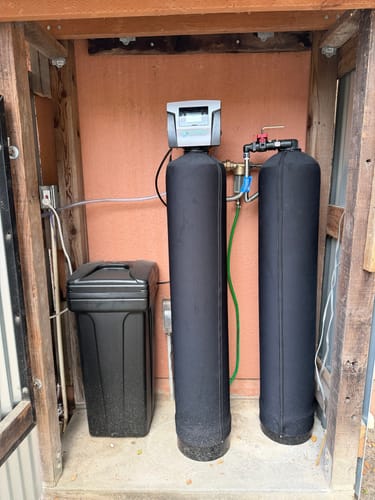
Ferrous iron is fully dissolved and invisible, while ferric iron appears as visible reddish-brown particles suspended in the water. Both forms cause real problems: staining on fixtures, laundry, and dishes, plus unpleasant taste, odor, and discoloration.
Unchecked iron also fuels iron bacteria growth, which clogs pipes and damages treatment equipment over time. The EPA's recommended threshold sits at 0.3 mg/L. Knowing exactly what you're dealing with helps you choose the right treatment solution confidently.
Certified Lab vs. DIY Strip: What You're Really Comparing
Now that we comprehend what iron forms are lurking in well water, the next question is how precisely you're actually measuring them. The method you choose determines everything downstream.
| Feature | DIY Test Strip | Certified Lab |
|---|---|---|
| Contaminant Range | Rough screening only | 50–115 contaminants |
| Accuracy | Cannot detect bacteria or exact levels | Quantifies metals, bacteria, minerals precisely |
That gap matters enormously. Strip results can't tell you how much iron you're dealing with, which means you can't properly size treatment equipment. Certified labs deliver exact measurements alongside expert review—intelligence that actually drives decisions. If you're serious about solving an iron problem rather than just suspecting one exists, certified testing isn't optional; it's the only comparison worth making.
How to Read Your Well Water Iron Test Results
Once your certified lab results arrive, they can look intimidating—rows of numbers, units like mg/L or ppm, and reference ranges you've never seen before.
- Compare your iron value to the EPA's secondary standard of 0.3 mg/L—anything above triggers aesthetic and potential health concerns.
- Distinguish iron types—ferrous (dissolved, clear water) versus ferric (particulate, rust-colored) requires different treatment entirely.
- Cross-reference iron against manganese and pH—these interact directly, affecting which filtration system actually works.
Your report isn't just data—it's a treatment roadmap. High ferrous iron with low pH tells us an oxidizing filter won't perform ideally. Understanding these relationships transforms raw numbers into confident, cost-effective decisions about your water system.
Situations That Warrant a Standalone Well Water Iron Test
Location matters too. Wells near iron deposits or mining activity carry elevated risk and deserve proactive testing rather than reactive scrambling.
Beyond initial diagnosis, periodic testing keeps us ahead of problems—verifying that iron treatment equipment still performs as intended and catching gradual water quality shifts before they damage pipes or appliances. Standalone iron tests aren't just troubleshooting tools; they're essential checkpoints for anyone serious about mastering their water quality.
Frequently Asked Questions
How Do I Know if My Well Water Is High in Iron?
You'll spot high iron through reddish-brown water, metallic taste, cloudy appearance, and staining on fixtures, laundry, and porcelain. Iron bacteria can also clog your pipes—a certified lab test confirms exact levels.
How to Get Your Well Water Tested for Free?
We can get our well water tested for free by contacting our county health department, calling the EPA Drinking Water Hotline, or checking if our state university extension program offers subsidized testing for residents.
How Many Times a Year Should Well Water Be Tested?
We recommend testing your well water at least once a year for bacteria and nitrates. For thorough water quality monitoring, bump that up to every 1-2 years to stay ahead of potential contaminants.
How Much Do Well Water Tests Cost?
Well water tests range from $10 for DIY strips to $400 for exhaustive certified lab panels. Specialty tests for PFAS or VOCs add $50–$150 per analyte, while individual analytes run $20–$60 at local labs.


