


![SoftPro™ Chlorine+ Carbon Whole House Water Filter to Remove PFAS, Chlorine, Chloramine & Pesticides [City Water Filters Series]](http://softprowatersystems.com/cdn/shop/files/SoftPro_Whole_House_Carbon_Filter_with_Spin_Down_Water_Filter.webp?v=1783547361&width=140)


 855-683-8488


Why Clear Well Water Can Still Have High Iron Levels

Clear well water can still have high iron levels because iron often exists in a dissolved form called ferrous iron, which stays completely invisible until it oxidizes. It can also bond to organic matter or suspend in microscopic colloidal particles — all undetectable to the naked eye. That means your water can look crystal clean while silently damaging your pipes and fixtures. Stick with us and we'll show you exactly what's happening and how to fix it.
Key Takeaways
- Dissolved ferrous iron remains completely invisible in water until it oxidizes and converts into visible reddish-brown ferric iron particles.
- Iron can bond to organic matter, forming complexes that stay hidden within the water without producing any visible discoloration.
- Colloidal iron suspends in microscopic particles too small to see, allowing water to appear crystal clear despite elevated iron levels.
- Iron bacteria thrive in invisible biofilms, indicating high iron concentrations even when water shows no visible signs of contamination.
- Only certified laboratory testing can accurately detect invisible iron forms, as clear-looking water frequently contains dangerously high iron concentrations.
Why Your Well Water Looks Clear But Still Has High Iron

Many well owners assume their water is iron-free simply because it looks crystal clear — but that assumption can lead to costly plumbing damage and stubborn staining down the road. Here's what's actually happening beneath the surface: iron exists in several forms that don't discolor water at all. Dissolved ferrous iron stays invisible until it oxidizes and leaves rust stains on your fixtures.
Organic iron bonds to natural matter, colloidal iron suspends in microscopic particles, and iron bacteria lurk in biofilms you'd never notice visually. Meanwhile, your water could contain up to 10 mg/L of iron — over 33 times the acceptable limit. Clear water doesn't mean clean water, and understanding that distinction is your first line of defense.
What High Iron Does to Your Pipes, Fixtures, and Appliances
So now that one understands iron can hide in plain sight, let's talk about what it's actually doing to your home while you're not looking. High iron concentrations build up inside pipes, valves, and appliances, slowly restricting water flow until you've got a real pressure problem.
Those stubborn reddish-brown stains on your sinks, tubs, and toilets? That's iron's calling card. It also fuels iron bacteria, which produce a slimy, foul-smelling biofilm that accelerates clogging.
If you enjoy tea or coffee, dissolved iron reacts with tannins, turning your cup an unappetizing dark color. Worst of all, iron actively corrodes metal pipes, quietly weakening them until leaks appear. It's damage that compounds daily, and clear water offers zero warning.
The Two Forms of Iron in Well Water
Iron in well water actually comes in two distinct forms, and knowing which one you're dealing with changes everything about how you treat it. Ferrous iron stays dissolved and invisible—your water looks perfectly clear straight from the tap. But expose it to air, and it oxidizes into ferric iron, that familiar rusty-red solid that stains everything it touches.
There's also a third troublemaker worth knowing: organic iron, which bonds with natural tannins and creates its own set of color problems.
Here's why this matters practically—no single filtration method handles all three forms effectively. You can't just grab any iron filter off the shelf and call it done. Accurate water testing identifies your specific iron type, which is the only way to choose a treatment system that actually works.
How to Test Your Well Water for Iron
Once you know iron exists in multiple forms, testing stops being a simple checkbox and becomes the actual foundation of fixing your water problem.
Here's what a complete iron test should cover:
- Ferrous iron concentration — measures dissolved, invisible iron in parts per million
- Ferric iron presence — identifies oxidized particles already suspended in your water
- Iron bacteria detection — reveals biological contamination that mimics standard iron problems
- pH level — determines how aggressively your water converts one iron form into another
We recommend sending samples to a certified lab rather than relying solely on home test strips. Strips catch ferrous iron but frequently miss bacteria and ferric particles. Knowing exactly what you're dealing with means your treatment solution actually works.
The Right Way to Remove Iron From Your Well Water
Now that we comprehend what's actually in your water, we can match the right removal method to the specific iron problem we're dealing with.
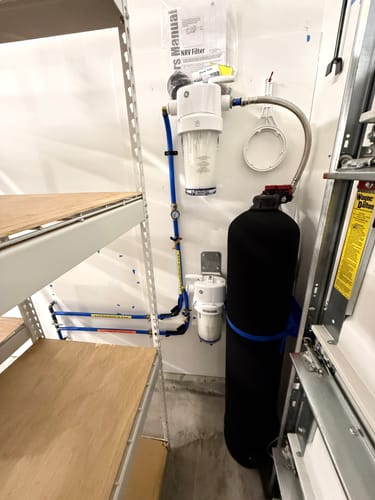
For ferrous iron, aeration and oxidation systems convert it into ferric iron, making it filterable. Specialized filters using greensand or catalytic media then capture both ferrous and ferric particles efficiently. While water softeners handle low iron concentrations, they'll struggle with higher levels, requiring a more targeted approach.
Here's what separates effective systems from disappointing ones: proper design, consistent maintenance, and ongoing monitoring. Without these, even the best equipment underperforms over time.
Because every well's chemistry differs, we strongly recommend consulting a certified water treatment specialist. They'll analyze your specific water profile and recommend the most effective, lasting solution.
Frequently Asked Questions
How to Get Rid of High Iron in Well Water?
We can tackle high iron in well water by using aeration systems, iron-removing filters, or chemical treatments like chlorine. For severe cases, we might need to replace the well entirely.
Why Does My Well Water Have so Much Iron in It?
Your well water's high iron levels come from groundwater seeping through iron-rich soil and rocks, dissolving the mineral naturally. Corroding pipes and organic matter breakdown can also leach additional iron into your supply.
What Is the Best Water Treatment for High Iron Levels?
We recommend combining aeration, oxidation, and filtration for best results. Greensand filters and oxidizing systems using chlorine or hydrogen peroxide effectively convert and remove both soluble and insoluble iron from your well water.
Is It Okay to Shower in High Iron Water?
Showering in high iron water is generally safe for most of us, as skin doesn't absorb iron well. However, we may notice skin irritation, staining, or unpleasant odors with prolonged exposure.


